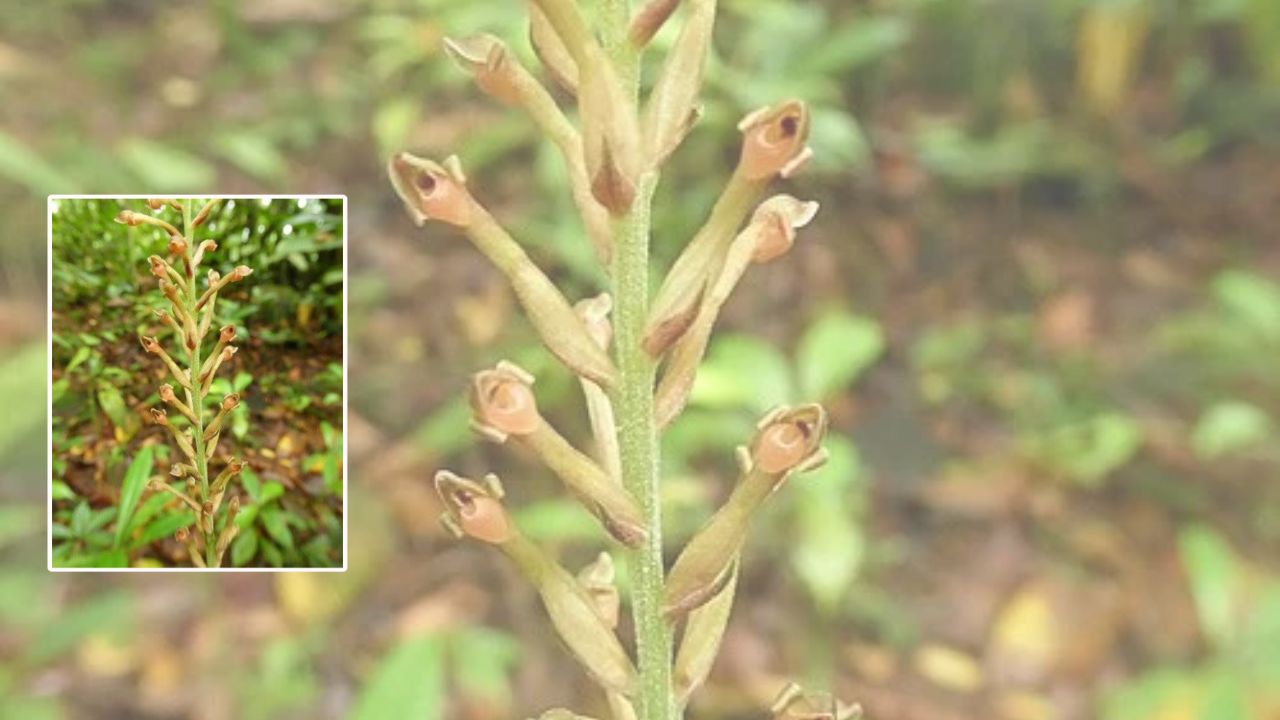
Manniella is a fascinating group of small terrestrial orchids valued for their unusual flowers, attractive foliage, and distinctive growth habits. Unlike many orchids that are commonly grown on trees or in airy containers, Manniella species are generally associated with terrestrial conditions and benefit from a growing environment that stays consistently humid without becoming waterlogged. Their relatively specialized requirements mean that successful cultivation depends more on maintaining stable conditions than on frequent intervention.
For home growers, the most important factors are moisture, humidity, gentle light, good drainage, and an appropriate growing medium. Manniella can be rewarding when these conditions are balanced correctly. Understanding how the plant naturally grows is the first step toward providing suitable care and encouraging healthy roots, leaves, and flowering.
Choosing the Right Location for Manniella
The location you choose can have a major effect on the long-term health of Manniella. A bright position with filtered or indirect light is generally preferable to a spot exposed to intense direct sunlight. Strong afternoon sun can heat the leaves and growing medium quickly, potentially causing stress, leaf damage, or excessive moisture loss.
An east-facing window can be a useful choice because it provides gentle morning light. In brighter locations, a sheer curtain can help soften sunlight. If natural light is limited, supplemental artificial lighting can also support steady growth, provided it is not positioned so close that it overheats the foliage.
Good air movement is equally important. The plant should receive gentle circulation rather than strong, drying drafts. Fresh moving air helps prevent stagnant humidity around the foliage and reduces the likelihood of fungal problems.
Preparing a Suitable Growing Medium
A suitable growing medium should retain enough moisture to support Manniella while allowing excess water to escape easily. Dense garden soil is generally unsuitable because it can remain wet for too long and restrict oxygen around the roots.
A loose, organic-rich terrestrial orchid mix can provide a better balance. Materials such as fine bark, leaf-based organic matter, sphagnum moss, and other moisture-retentive but well-aerated components can be combined according to the growing environment. In warmer or drier conditions, slightly more moisture retention may be useful, while humid environments may require a more open mixture.
The most important quality is consistency. The medium should not become compacted over time. If water begins sitting on the surface or drainage becomes noticeably slower, it may be time to refresh the growing medium.
Selecting the Right Container
Container choice should complement the growing medium and watering routine. A pot with adequate drainage holes is essential because Manniella roots should not remain submerged in standing water.
The container does not need to be excessively large. A pot that is only slightly larger than the root system can make moisture management easier and reduce the amount of unused medium that stays wet. Oversized containers often dry unevenly, leaving the inner portion damp for longer than expected.
When repotting, choose a clean container and handle the roots carefully. Avoid repeatedly disturbing the plant simply to inspect its roots, as unnecessary disturbance can slow establishment.
Providing Appropriate Light
Manniella generally benefits from bright but filtered light rather than harsh direct exposure. Adequate light encourages compact, healthy growth and supports flowering, while excessive sunlight can cause foliage to fade, scorch, or become stressed.
Watch the leaves for clues. Pale, bleached-looking foliage can indicate excessive light, while very dark green, weak, elongated growth may suggest insufficient illumination. Making gradual adjustments is safer than suddenly moving the plant from shade into intense sunlight.
During darker seasons, placing the plant closer to a bright window can help maintain growth. Artificial lighting can also be used when natural illumination is consistently inadequate.
Watering Manniella Correctly
Water management is one of the most important parts of everyday Manniella care. The growing medium should generally remain lightly and evenly moist rather than alternating between extreme dryness and saturation.
Before watering, check the upper portion of the growing medium. If it has begun to dry while the lower portion remains slightly moist, watering may be appropriate depending on temperature and humidity. When watering, moisten the medium thoroughly and allow excess water to drain away.
Avoid leaving the pot standing in a saucer of water. Constantly saturated conditions can reduce oxygen around the roots and encourage root deterioration. At the same time, allowing the plant to remain completely dry for prolonged periods can cause stress, particularly in warm conditions.
Watering frequency should therefore be adjusted according to the season, container, medium, temperature, and humidity rather than following a rigid calendar.
Maintaining Humidity and Airflow
Humidity can be particularly valuable for Manniella because stable moisture in the surrounding air helps prevent excessive drying. A moderately humid environment can support healthier foliage and reduce stress during periods of active growth.
However, high humidity without adequate airflow can create an unfavorable environment. Instead of simply increasing humidity as much as possible, aim for a balanced atmosphere in which the plant receives gentle air circulation throughout the day.
If indoor air becomes very dry, a humidifier can help maintain more consistent conditions. Grouping plants together can also increase local humidity, although adequate spacing should still be maintained so that air can circulate freely around the foliage.
Temperature Requirements for Healthy Growth
Stable temperatures are generally more beneficial than dramatic fluctuations. Manniella should be protected from extreme heat, cold drafts, and sudden temperature changes.
Warm conditions may increase the plant’s water requirements, while cooler periods can slow growth and reduce the rate at which the growing medium dries. This means watering should be adjusted seasonally rather than remaining unchanged throughout the year.
Avoid placing the plant directly beside heating appliances, air-conditioning vents, or locations where cold air repeatedly strikes the foliage. A sheltered environment with relatively stable temperatures is usually easier to manage.
Feeding Manniella for Strong Growth
Manniella can benefit from regular but gentle feeding during active growth. A balanced orchid fertilizer diluted according to its instructions can provide nutrients without exposing the roots to an unnecessarily concentrated solution.
It is generally better to provide nutrients at a lower concentration regularly than to apply excessive fertilizer occasionally. Fertilizer buildup can accumulate in the growing medium and potentially damage sensitive roots.
Watering the plant with plain water periodically can help flush excess mineral residues from the medium, particularly when fertilizer is used regularly. Feeding should also be reduced when growth naturally slows.
Repotting and Root Care
Repotting is best performed when the plant is actively growing and can recover more easily. Signs that repotting may be necessary include deteriorating growing medium, poor drainage, excessive compaction, or a container that no longer provides suitable space for the roots.
During repotting, gently remove old material and inspect the roots. Healthy roots should be handled carefully, while clearly damaged or decaying portions can be removed with clean tools.
After repotting, avoid immediately exposing the plant to stressful conditions. Give it moderate light, appropriate humidity, and careful watering while it establishes itself in the fresh medium.
Propagating Manniella
Propagation of Manniella is generally more specialized than simply growing a new plant from ordinary garden cuttings. Orchid propagation from seed often depends on controlled conditions and, in many cases, specialized techniques because orchid seeds are extremely small and have limited stored nutrients.
For home growers, maintaining a healthy established plant is often the most practical approach unless they have suitable propagation equipment and experience. Where division or other vegetative methods are appropriate for a particular species, these should be carried out carefully and only when the plant has sufficient healthy growth to tolerate disturbance.
Patience is essential because orchid propagation can be considerably slower than propagation of many common houseplants.
Common Problems When Growing Manniella
Several problems can usually be traced back to an imbalance in moisture, light, airflow, or temperature. Yellowing foliage may occur for different reasons, including excessive moisture, aging leaves, nutritional problems, or environmental stress, so symptoms should always be considered alongside the plant’s growing conditions.
Root problems are especially likely when the medium remains saturated for extended periods. Conversely, persistent dryness can cause wilting and poor growth. Weak or elongated growth may indicate inadequate light, while scorched or bleached leaves can suggest excessive exposure.
Regular observation makes it easier to identify problems before they become severe. Rather than changing several conditions at once, adjust one factor at a time and observe how the plant responds.
Creating a Simple Everyday Care Routine
Successful Manniella cultivation does not require constant attention. A simple routine of checking moisture, observing foliage, inspecting for pests, and confirming adequate airflow can prevent many problems.
Check the growing medium before watering instead of following a fixed schedule. Look at the leaves regularly for discoloration or damage, and make sure water is not accumulating around the base of the plant. Remove dead plant material when appropriate and keep the surrounding growing area clean.
During active growth, monitor moisture and nutrition more closely. During slower periods, allow the plant’s natural growth rate to guide adjustments in watering and feeding.
Final Tips for Growing Manniella Successfully
Growing Manniella successfully is primarily about creating a stable environment rather than trying to force rapid growth. Provide filtered light, a loose and well-drained growing medium, consistent but controlled moisture, moderate humidity, gentle airflow, and suitable temperatures.
Avoid both extremes: do not allow the roots to remain permanently saturated, but do not let the plant suffer prolonged drought either. Fertilize conservatively, repot only when necessary, and observe changes in the foliage and roots as indicators of how well the growing conditions are working.
With patience and consistent care, Manniella can become an interesting and rewarding addition to a specialized orchid collection. The key is to understand its natural preference for balanced moisture, gentle light, and stable growing conditions, then maintain those conditions consistently throughout the year.
