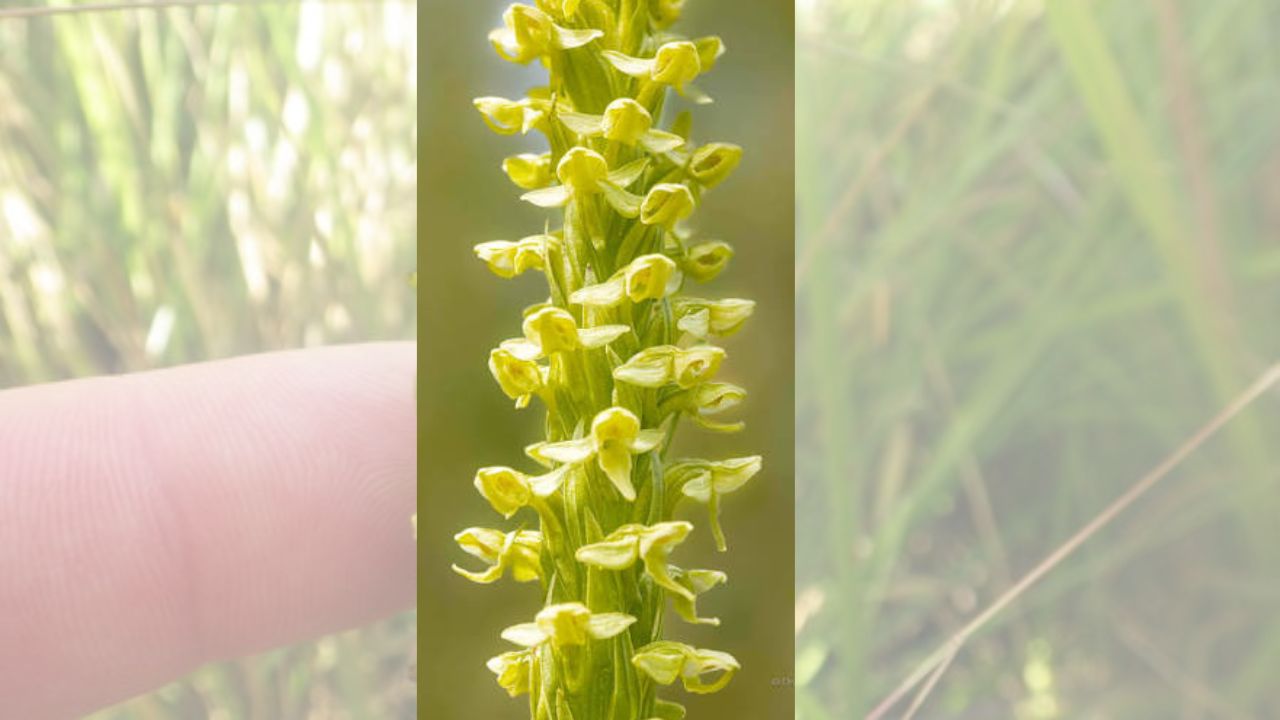
Benthamia is a fascinating orchid genus valued by collectors for its unusual flowers, attractive foliage, and distinctive growth habit. Although it is not among the most commonly cultivated orchids, Benthamia can become a rewarding plant when its natural growing conditions are understood and reproduced in cultivation. Like many orchids, it performs best when its roots receive adequate air, moisture is available without remaining stagnant, and environmental conditions remain reasonably stable.
Successful cultivation begins with choosing a healthy plant and understanding whether it is being grown in a pot, basket, or another suitable container. Benthamia generally benefits from an airy growing environment rather than dense, water-retaining soil. The goal is to create conditions where moisture remains available long enough for the roots to absorb it while excess water drains away quickly.
Choosing a Healthy Benthamia Plant
When purchasing Benthamia, select a plant with firm, healthy leaves and an established root system. Avoid specimens with extensive black or mushy roots, severe leaf spotting, collapsed growth, or signs of pests. A plant that has active roots and several healthy leaves usually adapts more easily to a new growing environment.
If possible, choose a specimen that is already accustomed to your general climate or indoor growing conditions. Sudden changes in temperature, humidity, light, and watering can cause stress. After bringing the plant home, allow it some time to adjust before making major changes to its growing conditions.
Selecting the Right Growing Container
The container plays an important role in Benthamia care because orchid roots require oxygen as well as water. A pot with generous drainage holes is usually preferable to a container that holds water around the roots. Plastic pots are convenient because they retain moisture, while clay pots can provide faster drying and greater airflow.
The appropriate container should match the size of the root system. Avoid placing a small plant in an excessively large pot because the unused growing medium may remain wet for too long. Repotting is best done when the existing medium has broken down, drainage has become poor, or the plant has clearly outgrown its container.
Preparing a Suitable Growing Medium
Benthamia should be grown in a loose, well-draining orchid medium. A combination of materials such as fine to medium orchid bark, perlite, and a moisture-retaining component can provide a useful balance between drainage and moisture retention. The exact mixture can be adjusted according to the growing environment.
Plants grown in warm, dry conditions may benefit from a medium that retains slightly more moisture, while plants kept in humid environments generally require faster drainage. Whatever mixture is selected, it should not compact around the roots. A constantly saturated medium can reduce oxygen availability and increase the risk of root deterioration.
Providing the Correct Light
Light is one of the most important factors influencing healthy growth and flowering. Benthamia generally benefits from bright, filtered light rather than intense, uninterrupted direct sunlight. A location receiving gentle morning sunlight with protection from harsh afternoon rays can work well.
Insufficient light may result in weak growth and poor flowering, while excessive sunlight can cause leaf scorching, fading, or heat stress. The leaves provide useful clues about lighting. Healthy foliage should appear vigorous and well developed rather than excessively pale or scorched.
For indoor cultivation, the plant can be positioned near a bright window while using a sheer curtain if necessary. Artificial grow lights can also help when natural light is inadequate.
Managing Watering Correctly
Watering should be based on the condition of the growing medium rather than following a rigid calendar. Benthamia needs adequate moisture during active growth, but the roots should not remain submerged or constantly saturated.
Water thoroughly when the plant requires watering, allowing excess water to drain completely from the container. Depending on temperature, humidity, container size, and growing medium, the plant may need water more frequently during warm periods and less often when conditions are cool.
Morning watering is often useful because foliage and the growing area have more time to dry during the day. Avoid repeatedly adding small amounts of water without thoroughly moistening the root zone, as this can create uneven moisture conditions.
Maintaining Humidity and Air Movement
Adequate humidity can support healthy orchid growth, particularly in warm indoor environments where air becomes dry. However, high humidity without sufficient air movement can encourage fungal and bacterial problems.
A moderate, stable humidity level combined with gentle air circulation is generally more useful than creating extremely humid conditions. A small fan can provide indirect airflow, but it should not blast the plant continuously. Good circulation helps moisture evaporate from leaves and prevents the growing area from becoming stagnant.
If humidity is increased with a humidifier or humidity tray, monitor the plant and surrounding area regularly. Condensation and persistently wet foliage are signs that ventilation may need improvement.
Temperature Requirements for Strong Growth
Benthamia performs best when temperatures remain within a comfortable range suited to its particular species. Avoid exposing the plant to sudden temperature changes, freezing conditions, or prolonged extreme heat.
Warm daytime temperatures combined with slightly cooler nights can encourage healthy orchid development. During periods of intense summer heat, protecting the plant from hot direct sunlight and ensuring good ventilation becomes especially important.
Indoor growers should also keep Benthamia away from heating vents, air-conditioning outlets, and cold drafts. Stable environmental conditions generally produce better results than constantly changing temperatures.
Feeding Benthamia for Healthy Development
Regular but moderate fertilization can help Benthamia produce strong foliage, roots, and flowers. A balanced orchid fertilizer can be applied during active growth according to the manufacturer’s recommended dilution.
Avoid excessive fertilizer because accumulated salts can damage roots and cause leaf problems. Fertilizing a well-hydrated plant is generally safer than applying concentrated fertilizer to a dry root system.
During periods of vigorous growth, feeding at appropriate intervals can support development. As growth slows, fertilizer requirements usually decrease. Occasionally flushing the growing medium with plain water can also help remove accumulated fertilizer salts.
Repotting and Root Maintenance
Repotting should not be performed unnecessarily because orchid roots can be sensitive to disturbance. The best time is generally when the plant begins producing new roots or when the existing growing medium has deteriorated.
During repotting, gently remove old material and inspect the roots. Healthy roots should be firm rather than soft and decaying. Damaged roots can be removed with clean, sterilized cutting tools.
Place the plant securely in fresh medium without burying the growing point too deeply. After repotting, provide appropriate humidity and avoid excessive watering until the plant begins settling into its new container.
Encouraging Benthamia to Bloom
Flowering depends on several factors working together, including maturity, light, nutrition, temperature, and general plant health. Increasing fertilizer alone will not necessarily produce more flowers. A healthy plant receiving appropriate light and consistent care has a much better chance of flowering successfully.
Providing sufficient bright, filtered light is particularly important. If the plant produces plenty of leaves but refuses to bloom, inadequate light may be one possible reason. Avoid making sudden environmental changes, however, because stressed plants may temporarily stop flowering.
Once flower spikes or buds appear, maintain consistent watering and avoid unnecessary movement. Sudden changes in temperature or moisture can sometimes interfere with developing flowers.
Preventing Pests and Common Problems
Benthamia can experience problems with common orchid pests such as scale insects, mealybugs, aphids, and spider mites. Regularly inspecting both sides of the leaves, new growth, and areas around the roots makes early detection easier.
Yellowing leaves do not always indicate disease. Older leaves can naturally decline, while excessive watering, poor drainage, insufficient light, or nutrient problems can also cause discoloration. Soft roots and an unpleasant smell from the potting medium are stronger warning signs of excessive moisture or root damage.
Good sanitation, proper airflow, appropriate watering, and avoiding overcrowding can prevent many common problems before they become serious.
Seasonal Care for Benthamia
Benthamia’s care should be adjusted according to seasonal conditions. During warm and bright periods, the plant may require more frequent watering and regular feeding because growth can be faster. During cooler or darker periods, evaporation slows and watering should be reduced accordingly.
Never assume that a fixed weekly watering schedule will work throughout the entire year. Check the plant and growing medium each time instead. Seasonal changes in humidity and temperature can significantly affect how quickly the container dries.
Propagating Benthamia Successfully
Propagation depends on the species and its growth habit, but established orchid plants may sometimes be propagated through suitable divisions when multiple mature growths are present. Each division should have sufficient roots and healthy growth to establish independently.
Propagation is best attempted on a vigorous, established plant rather than a recently purchased or stressed specimen. Clean tools and fresh growing material should always be used to reduce the risk of transferring diseases.
Young divisions need particularly careful moisture management because their smaller root systems can dry quickly while also being vulnerable to overwatering.
Final Tips for Growing Benthamia Successfully
Growing Benthamia successfully is mainly about balance. The plant needs enough light for strong growth and flowering, enough moisture to keep the roots functioning, and enough drainage and airflow to prevent prolonged wetness. Stable temperatures, moderate feeding, and timely repotting further support long-term health.
Rather than changing several conditions at once, observe how the plant responds and make gradual adjustments. With an airy growing medium, appropriate light, careful watering, good humidity, and consistent maintenance, Benthamia can develop into a healthy and attractive orchid capable of rewarding cultivation with distinctive growth and beautiful blooms.
