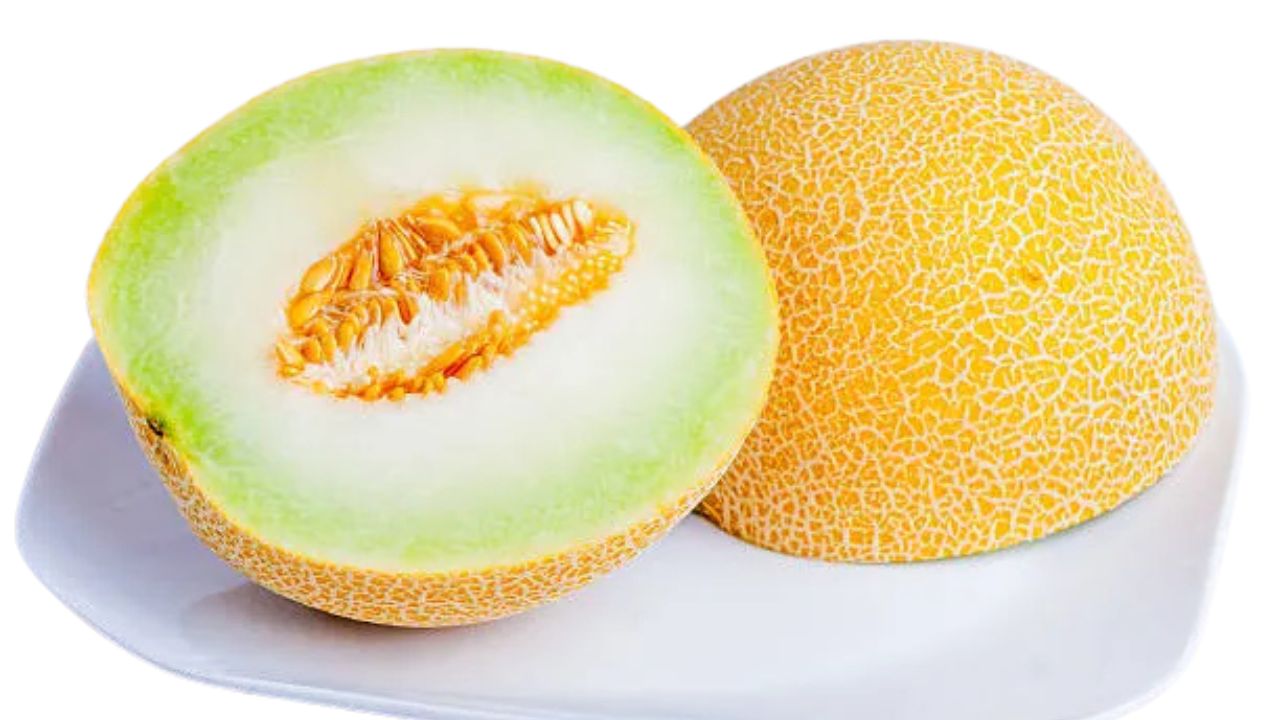
Galia melons are warm-season plants that can grow successfully in a home garden when they receive plenty of sunlight, warmth, space, and consistent moisture. These melons are known for their round shape, fragrant aroma, sweet green flesh, and netted skin that develops as the fruit matures. Growing them at home can be rewarding, but successful production begins with choosing the right location.
Select an area that receives at least six to eight hours of direct sunlight each day. Melon plants perform best in warm conditions, and strong sunlight helps the vines produce healthy leaves and sweet, flavorful fruit. Choose a location protected from strong winds because vigorous vines can spread widely and may become damaged when exposed to harsh conditions.
Good air circulation is also important. Avoid planting Galia melons in a cramped area surrounded by dense vegetation. Adequate airflow helps foliage dry more quickly after watering or rain and can reduce the likelihood of fungal problems.
Prepare the Best Soil for Galia Melons
Galia melons grow best in fertile, loose, and well-draining soil. Heavy or poorly drained soil can hold too much water around the roots, while very sandy soil may allow nutrients and moisture to disappear too quickly. The ideal growing medium should provide both good drainage and enough organic matter to support vigorous growth.
Before planting, loosen the soil to a depth of around 12 inches. Remove stones, weeds, and large pieces of debris. Mix mature compost or well-rotted organic matter into the planting area to improve soil structure and fertility. If the soil is naturally compacted, adding organic matter can make it easier for roots to spread.
A slightly acidic to neutral soil is generally suitable for melons. If you are unsure about your soil condition, a basic soil test can help determine its pH and nutrient levels. Avoid adding large amounts of fertilizer without knowing what the soil already contains, because excessive nutrients can encourage leaf growth at the expense of fruit production.
Plant Galia Melons at the Right Time
Galia melons should be planted when the weather is consistently warm and there is little or no risk of frost. They need warm soil for good germination and root development. Planting too early can result in slow growth, poor germination, or damage from cold temperatures.
Seeds can be started indoors several weeks before the outdoor planting season if the growing season is short. Use small containers filled with a quality seed-starting mixture and plant the seeds according to the recommended depth on the seed packet. Keep the growing medium evenly moist and place the containers somewhere warm and bright.
When transplanting seedlings outdoors, harden them gradually by exposing them to outdoor conditions over several days. This helps reduce transplant shock. Handle the roots carefully because young melon plants can be sensitive to disturbance.
If planting seeds directly in the garden, wait until the soil has warmed sufficiently. Sow several seeds in each planting area and thin the seedlings later, keeping the strongest plants.
Give the Vines Enough Space to Grow
Galia melon vines can spread considerably, so adequate spacing is essential. Crowded plants compete for sunlight, water, nutrients, and airflow. Depending on the variety and available space, provide enough room for the vines to spread naturally across the ground.
Gardeners with limited space can grow Galia melons vertically using a strong trellis. However, the support must be sturdy enough to hold the weight of developing fruits. When fruits become large, fabric slings or other soft supports can be used to prevent them from pulling the vines downward.
Growing vertically can improve airflow and keep the fruit away from damp soil, but it requires regular attention. Guide young vines gently onto the support instead of forcing or sharply bending them.
Provide Plenty of Sunlight
Sunlight plays a major role in the growth and flavor of Galia melons. The plants need several hours of direct sunlight every day to produce energy through photosynthesis and develop healthy fruit.
A location receiving six to eight or more hours of sunlight is ideal. If plants receive too much shade, they may produce excessive leafy growth while flowering and fruit production remain limited. Fruits may also take longer to mature and may not develop their best sweetness.
As the vines grow, watch for nearby plants, fences, or structures that may begin shading them. Keeping competing vegetation under control can help ensure that the melon plants continue receiving sufficient light throughout the growing season.
Water Galia Melons Consistently
Consistent watering is one of the most important parts of growing healthy Galia melons. Young plants need regular moisture while their roots are becoming established, but the soil should not remain constantly waterlogged.
Water deeply enough to moisten the root zone rather than giving the plants frequent shallow sprinkles. Allow the upper layer of soil to dry slightly between watering sessions while ensuring that the plants do not experience prolonged drought.
As the fruits develop, steady moisture becomes especially important. Irregular watering can contribute to poor fruit development and may affect fruit quality. However, as the melons approach full maturity, gardeners often reduce watering somewhat to avoid excessive moisture and encourage concentrated flavor.
Water near the base of the plant whenever possible. Keeping the leaves dry can help reduce fungal disease problems, particularly in humid conditions.
Feed the Plants for Healthy Growth and Fruit Production
Galia melons are vigorous plants and benefit from fertile soil and appropriate feeding. Compost added before planting provides a useful foundation, while additional fertilizer can support growth during the season.
Early in the growing period, plants benefit from nutrients that encourage strong roots, stems, and leaves. Once flowering and fruit development begin, avoid excessive nitrogen because it can encourage leafy growth while reducing the plant’s focus on fruit production.
A balanced vegetable fertilizer or a fertilizer formulated for fruiting plants can be used according to its label instructions. Do not apply more fertilizer than recommended. Too much fertilizer can damage roots and create nutrient imbalances.
Organic gardeners can use well-aged compost or other suitable organic amendments as part of a balanced feeding routine. Always ensure that any manure used in the garden is properly composted rather than fresh.
Encourage Flowering and Fruit Development
Galia melon plants produce flowers that must be successfully pollinated before fruits can develop. Bees and other pollinating insects are important because they transfer pollen between flowers.
Avoid using unnecessary insecticides around flowering plants, especially during periods when pollinators are active. Planting a variety of flowering plants nearby can also help create a more welcoming environment for beneficial pollinators.
If natural pollination is poor, hand pollination can sometimes help. A small clean brush can be used to transfer pollen from a male flower to a female flower. Female flowers can usually be identified by the small swollen area behind the blossom, which develops into the fruit after successful pollination.
Protect Developing Melons From Pests and Disease
Regular inspection is the easiest way to identify problems before they become serious. Check the leaves, stems, flowers, and developing fruits several times a week. Look for holes, curled leaves, discoloration, sticky residue, insects, or unusual spots.
Keeping the garden clean can reduce pest and disease pressure. Remove severely damaged plant material and control weeds around the melon plants. Weeds can compete for water and nutrients while also providing shelter for pests.
Good spacing and airflow are particularly important for disease prevention. Avoid excessive overhead watering and allow enough room between plants for air to move through the foliage.
If pests become noticeable, identify them before choosing a treatment. Different insects require different approaches, and unnecessary pesticide use can harm beneficial insects, including pollinators.
Support and Protect the Developing Fruits
As Galia melons grow, the fruits should be protected from prolonged contact with wet soil. A piece of straw, cardboard, a wooden board, or another clean barrier can be placed beneath developing melons grown on the ground.
This helps reduce direct contact with damp soil and can keep the fruit cleaner. It may also reduce the chance of damage caused by soil-borne organisms.
For trellised plants, support each developing melon as it becomes heavier. A breathable fabric sling can distribute the weight and prevent the fruit from pulling excessively on the vine.
Handle the fruits gently because bruising or cracks can create opportunities for rot and other problems.
Know When Galia Melons Are Ready to Harvest
One of the most important skills when growing Galia melons is recognizing maturity. The exact harvest signs vary slightly depending on the variety, but several changes can indicate that a melon is ready.
The skin typically develops a more pronounced netted appearance and changes from green toward a yellowish or golden tone as the fruit matures. The melon should also develop its characteristic sweet fragrance.
Another useful sign is the condition of the stem attachment. A mature melon may begin to separate naturally from the vine, depending on the variety. Do not rely on color alone; consider several maturity signs together.
Harvesting too early can result in less-developed flavor, while leaving a fully mature melon on the vine for too long may increase the risk of splitting, pests, or deterioration.
Harvest and Store Galia Melons Properly
Use clean pruning shears or a sharp knife to harvest melons when possible, particularly if the fruit does not detach easily. Avoid pulling forcefully on the vine because this can damage the plant.
After harvesting, handle the melons carefully and inspect them for bruises, cracks, or soft areas. Store mature melons according to their ripeness and intended use. A melon that is already fully ripe is generally best consumed relatively soon for the freshest flavor.
If you harvest several fruits at different stages, keep track of when each melon was picked. This can help you understand the maturity pattern of your particular variety and improve your timing in future seasons.
Common Problems When Growing Galia Melons
Several common problems can affect homegrown Galia melons. Poor fruit development may result from inadequate sunlight, insufficient pollination, extreme temperatures, or an imbalance in plant nutrition. Yellowing leaves can have several causes, including overwatering, nutrient problems, root stress, or disease.
Cracked fruit can sometimes occur when the plant experiences inconsistent moisture, particularly when a period of dryness is followed by heavy watering. Maintaining relatively consistent soil moisture throughout fruit development can help reduce this problem.
If the vines grow vigorously but produce few fruits, excessive nitrogen, insufficient sunlight, poor pollination, or unsuitable temperatures may be contributing factors. Observing the entire growing environment is more useful than assuming one problem has a single cause.
Enjoy Fresh Homegrown Galia Melons
Growing Galia melons at home requires patience, warmth, sunlight, regular watering, and attention to plant health, but the reward is fresh fruit with excellent aroma and flavor. Start with fertile, well-drained soil, give the vines plenty of space, maintain consistent moisture, and provide appropriate feeding as the plants develop.
Regularly inspect the vines for pests and disease, encourage pollination during flowering, and protect developing fruits from wet soil. Most importantly, learn the maturity signs of the particular Galia variety you are growing.
With good preparation and consistent care, even a home gardener can successfully produce healthy Galia melons and enjoy the satisfaction of harvesting sweet, fragrant fruit directly from the garden.
