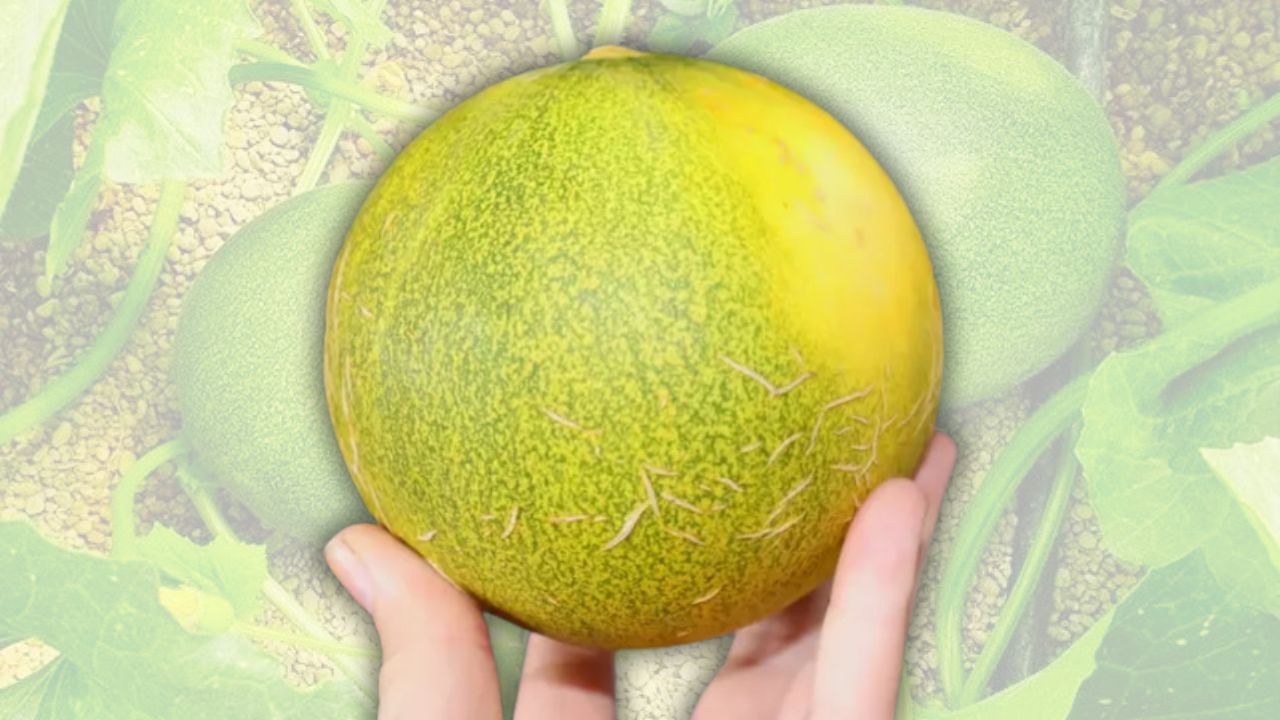
Limelon is a fascinating warm-season vine grown for its attractive, melon-like fruits and vigorous trailing growth. Like many members of the melon family, it performs best when given plenty of sunlight, warmth, moisture, and room to spread. With proper care, a healthy Limelon plant can become an impressive addition to a vegetable garden, raised bed, or large container.
Growing Limelon successfully begins with understanding its basic needs. It prefers warm conditions, fertile soil, consistent watering, and good air circulation. Because the vines can become quite vigorous, providing enough space or a suitable support structure makes maintenance much easier. Gardeners who establish the plant in the right location from the beginning will usually have fewer problems later in the growing season.
Choosing the Right Location
A sunny location is one of the most important requirements for growing healthy Limelon vines. Choose an area that receives at least six to eight hours of direct sunlight each day. Strong sunlight encourages vigorous vine development, healthy foliage, flowering, and fruit production.
Avoid planting Limelon in a low area where water collects after rain. Constantly wet soil can damage the roots and create conditions that encourage fungal problems. A slightly raised planting area or raised bed can improve drainage.
Since Limelon vines can spread considerably, leave enough room between plants for their foliage and stems to develop naturally. If garden space is limited, the vines can be trained along a sturdy trellis or other strong support.
Preparing the Soil
Limelon grows best in fertile, loose, well-draining soil that contains plenty of organic matter. Before planting, work mature compost or well-rotted organic material into the soil. This improves soil structure while providing nutrients that support steady growth.
A slightly acidic to neutral soil is generally suitable for melon-type plants. Extremely compacted soil should be loosened before planting because roots need access to both oxygen and moisture. If the soil is heavy clay, incorporating organic matter and improving drainage can make a significant difference.
Avoid using excessive fertilizer, particularly high-nitrogen fertilizer. Too much nitrogen can encourage large amounts of leafy growth while reducing flowering and fruit development. A balanced fertilizer applied according to the product instructions is usually a better choice.
Planting Limelon Seeds
Limelon seeds should be planted after the danger of frost has passed and the soil has warmed. These plants dislike cold conditions, and seeds may germinate slowly when the soil is too cool.
Plant the seeds shallowly in moist, prepared soil, following the recommended planting depth on the seed packet. Keep the soil evenly moist during germination without making it waterlogged. Under warm conditions, seedlings should gradually emerge and begin developing their first true leaves.
If the growing season is short, seeds can be started indoors in biodegradable pots several weeks before outdoor planting. Young seedlings should be moved outside only after temperatures have become consistently warm. Harden them gradually by exposing them to outdoor conditions for several days before transplanting.
Spacing and Transplanting
Proper spacing is essential because crowded Limelon plants compete for sunlight, nutrients, water, and air circulation. When transplanting seedlings, handle the roots gently and avoid disturbing the root ball unnecessarily.
Give each plant enough space for its expected vine growth. If growing several plants in a garden bed, adequate spacing also helps leaves dry more quickly after watering or rainfall, reducing the likelihood of fungal diseases.
For container gardening, choose a large container with drainage holes. A container that is too small can restrict root development and cause the plant to dry out quickly during hot weather. A sturdy trellis can also help keep vines and developing fruit organized.
Watering Limelon Vines
Consistent watering is one of the most important parts of Limelon care. Young plants need regular moisture while their roots become established. Once the vines are actively growing, water deeply whenever the upper layer of soil begins to dry.
Try to water the soil rather than repeatedly wetting the foliage. Morning watering is particularly useful because any moisture that reaches the leaves has time to dry during the day.
During flowering and fruit development, plants should not experience prolonged drought. Sudden fluctuations between extremely dry and excessively wet soil can stress the vines and may affect fruit development.
Applying a layer of organic mulch around the plants can help conserve soil moisture and moderate soil temperature. Keep mulch slightly away from the main stem to improve air circulation and prevent excessive moisture from remaining against the plant.
Feeding Limelon Plants
Limelon vines need adequate nutrition throughout the growing season, particularly when they are producing vigorous foliage and developing fruit. Compost incorporated into the soil before planting provides a useful nutritional foundation.
Once the plants begin growing strongly, an appropriate balanced vegetable fertilizer can be applied according to label directions. When flowers and fruits appear, avoid excessive nitrogen because it may encourage foliage at the expense of fruit production.
Healthy plants generally show strong green growth and produce flowers at the appropriate stage. If growth appears unusually weak or leaves develop abnormal coloration, examine watering, soil fertility, sunlight, and possible pest problems before adding large amounts of fertilizer.
Supporting and Training the Vines
Limelon vines can spread across the ground, but training them vertically can make gardening more manageable. A sturdy trellis, garden arch, or similar support allows the vines to climb while improving air circulation around the foliage.
As young stems grow, gently guide them toward the support. Avoid tying the vines too tightly because stems become thicker as they mature. Soft plant ties can help secure the vines without damaging them.
If fruits develop on a trellis, heavier fruit may require additional support. Small fabric slings or similar supports can reduce pressure on the vines and help prevent developing fruit from falling.
Flowering and Fruit Development
Healthy Limelon plants eventually produce flowers, followed by developing fruits after successful pollination. Flowers may attract bees and other beneficial pollinators, so maintaining a garden environment that supports pollinating insects can be helpful.
Avoid disturbing the vines unnecessarily when they are flowering. If natural pollination appears poor, hand pollination may sometimes improve fruit set. This is particularly useful in areas where pollinating insects are scarce.
During fruit development, maintain consistent moisture and avoid major changes in watering. Good sunlight, adequate nutrition, and stable growing conditions help the plant direct energy toward healthy fruit development.
Common Pests and Plant Problems
Limelon vines can experience problems from common garden pests such as aphids, cucumber beetles, spider mites, and other insects. Regularly inspect the undersides of leaves, young shoots, and developing flowers.
Early detection is usually easier to manage than a severe infestation. Remove heavily affected leaves when appropriate and use gentle garden-management practices suited to the specific pest.
Fungal diseases can also become a concern when foliage remains wet for long periods or plants are overcrowded. Good spacing, morning watering, proper air circulation, and removal of severely affected plant material can help reduce disease pressure.
Yellowing leaves may result from several different causes, including overwatering, poor drainage, nutrient imbalance, or natural aging. Examine the entire growing environment before assuming that fertilizer is needed.
Pruning and General Maintenance
Limelon generally does not require aggressive pruning, but occasional maintenance can keep the vines organized. Remove damaged, diseased, or severely yellowed leaves when necessary. If vines become excessively tangled, carefully redirect them rather than cutting large sections away.
Weeds should be removed regularly because they compete for moisture and nutrients. Mulching can reduce weed growth while helping maintain more consistent soil moisture.
Check trellises and supports throughout the season to make sure they remain stable. Heavy vines and developing fruits can place considerable weight on a weak structure.
Harvesting Limelon Fruits
Knowing when to harvest is an important part of growing Limelon. Fruit maturity can often be judged by changes in appearance, aroma, firmness, or the condition of the stem, depending on the particular Limelon variety.
Avoid harvesting too early if the fruit has not developed its expected characteristics. At the same time, leaving mature fruit on the plant for too long can reduce quality or expose it to pests and weather damage.
Use clean garden shears or a sharp knife when harvesting if the fruit does not separate easily. Handle harvested fruit carefully to avoid bruising and allow it to reach its best eating quality under appropriate conditions.
Preparing Limelon Plants for the Next Season
At the end of the growing season, remove old vines and clear away fallen leaves and damaged fruit. Cleaning the growing area reduces hiding places for pests and helps maintain a healthier garden environment.
If you plan to grow Limelon again, improve the soil with compost before the next planting cycle. Crop rotation can also be useful, particularly in gardens where melons and related crops are grown regularly.
Save seeds only when you are certain they came from a suitable open-pollinated variety, since seeds from hybrid plants may not produce offspring identical to the parent.
Final Tips for Healthy Limelon Growth
Growing Limelon successfully is mainly about providing the right conditions consistently. Give the plant plenty of sunlight, fertile and well-drained soil, adequate space, and regular moisture. Support the vines when necessary and monitor the foliage frequently for pests or disease.
The most important lesson is to avoid extremes. Overwatering, excessive fertilizer, poor sunlight, overcrowding, and prolonged drought can all reduce plant performance. With thoughtful preparation and regular attention, Limelon vines can develop into vigorous, productive plants and provide an enjoyable growing experience throughout the warm season.
