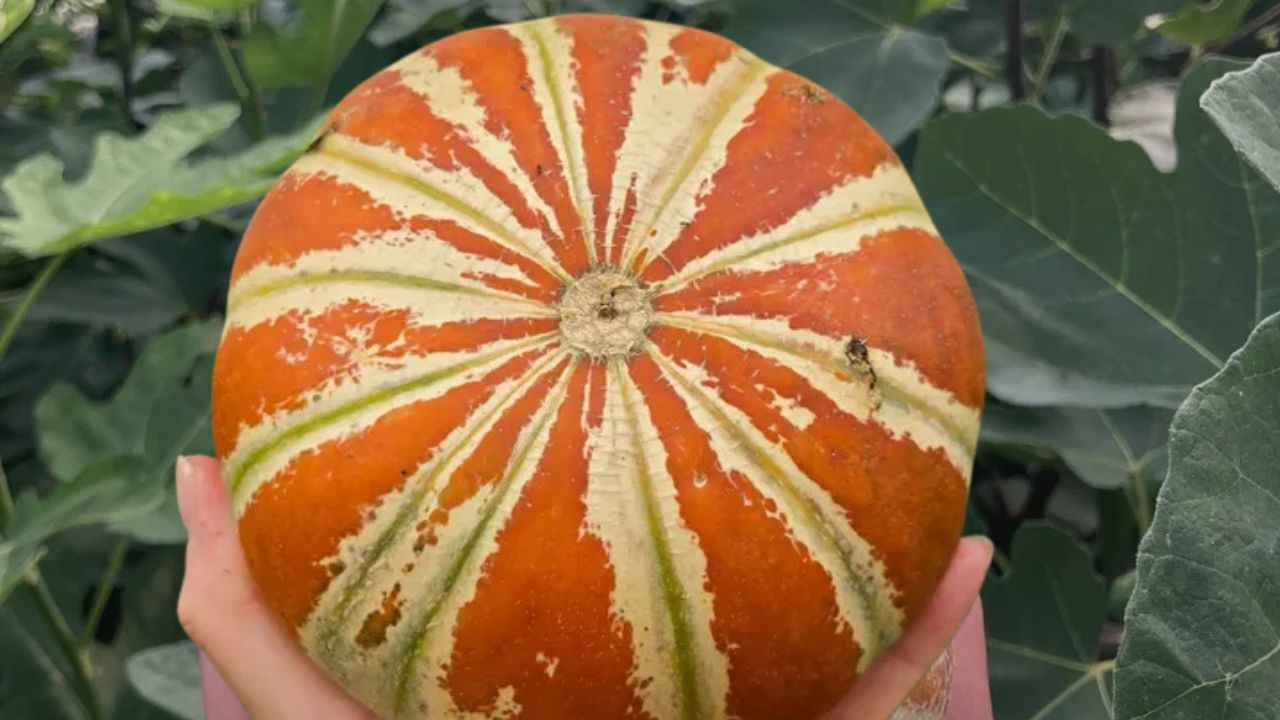
Kajari melon is a beautiful and flavorful Indian melon variety known for its distinctive striped skin, sweet orange flesh, and refreshing taste. It is especially popular among home gardeners because it can be grown successfully when given warm temperatures, plenty of sunlight, fertile soil, and enough space for its vines to spread. With the right care, Kajari melon can produce healthy fruits throughout the growing season.
Growing melons may seem challenging at first, but the basic requirements are quite straightforward. The most important factors are good soil preparation, consistent watering, adequate sunlight, proper feeding, and timely harvesting. Understanding these needs before planting can make a significant difference in the quality and quantity of your harvest.
Choosing the Right Location for Kajari Melon
Kajari melon grows best in a warm, sunny location where the plants can receive at least six to eight hours of direct sunlight every day. Sunlight is essential because melon plants need plenty of energy to develop vigorous vines, flowers, and sweet fruits.
Choose an area with enough room for the vines to spread naturally. Kajari melon plants can become quite vigorous, and crowded conditions may reduce airflow and increase the risk of fungal problems. If garden space is limited, you can also train the vines onto a strong trellis, provided the developing fruits are properly supported.
Avoid planting melons in areas where water regularly collects after rain or irrigation. Poor drainage can damage the roots and encourage diseases.
Preparing the Soil Before Planting
Good soil is one of the foundations of successful Kajari melon cultivation. The plant prefers loose, fertile, well-draining soil that allows roots to expand easily. A sandy loam or loamy soil enriched with organic matter is generally suitable.
Before planting, loosen the soil to a depth of around 12 to 18 inches. Remove large stones, weeds, and compacted material that could interfere with root development. Mixing well-rotted compost or other mature organic matter into the soil can improve its structure and provide nutrients.
The soil should drain excess water efficiently while still retaining enough moisture for the roots. If your garden soil is heavy clay, improving drainage with organic matter and creating raised planting areas can be helpful.
Planting Kajari Melon Seeds
Kajari melon is usually grown directly from seeds. Because melons prefer warm conditions, planting should be timed after the danger of cold weather has passed and the soil has warmed sufficiently.
Plant seeds approximately half to one inch deep in moist soil. If planting several seeds together, thin the seedlings after they emerge so that the strongest plants have enough room to develop.
Give individual plants plenty of space, particularly if you are allowing the vines to grow along the ground. Proper spacing improves air circulation and prevents the leaves from becoming excessively crowded.
You can also start seeds indoors in regions with a shorter growing season and transplant young plants carefully once temperatures are consistently warm. However, melon roots can be sensitive to disturbance, so transplanting should be done gently.
Providing the Right Amount of Sunlight
Sunlight has a direct influence on melon growth and fruit sweetness. Kajari melon plants should ideally receive six to eight hours or more of direct sunlight each day.
A location with morning and afternoon sun is excellent. Avoid placing the plants beneath large trees or close to structures that create heavy shade during the growing season.
Insufficient sunlight can result in weak vines, fewer flowers, slower fruit development, and less flavorful melons. Good sunlight also helps foliage dry more quickly after watering or rainfall, which can reduce conditions favorable to fungal diseases.
Watering Kajari Melon Properly
Consistent watering is particularly important during the early stages of growth. Young plants need enough moisture to establish strong roots and produce healthy foliage.
Water deeply rather than giving the plants frequent, shallow watering. Allow the upper layer of soil to dry slightly between watering sessions, while making sure the root zone does not become completely dry for extended periods.
As the fruits begin developing, maintaining steady soil moisture becomes even more important. Irregular watering can stress the plant and may contribute to fruit quality problems.
Try to water around the base of the plant instead of repeatedly wetting the leaves. Morning watering is generally preferable because any moisture that reaches the foliage has more time to dry during the day.
As the melons approach maturity, avoid excessive watering. Keeping the plant from becoming overly wet during the final stage can help maintain good flavor and texture.
Feeding Kajari Melon Plants
Kajari melon is a relatively heavy feeder because the plant must produce substantial vines and fruits during a comparatively short growing period. Nutrient-rich soil can provide a strong foundation, but additional feeding may be useful as the plants develop.
Compost or well-decomposed organic matter can be incorporated into the soil before planting. Once the vines are established, a balanced fertilizer can support healthy growth.
Avoid excessive nitrogen, particularly once flowering begins. Too much nitrogen can encourage lush green foliage while reducing the plant’s focus on flowers and fruit production. During fruit development, nutrients that support flowering and fruit formation become particularly important.
Always follow the application instructions for any fertilizer you use, since excessive fertilizer can damage roots and negatively affect plant growth.
Managing Vines and Garden Space
Kajari melon vines can spread across a large area, so planning their growing direction early can make maintenance much easier. Guide young vines gently across the soil rather than allowing them to grow randomly into pathways or neighboring plants.
A layer of organic mulch around the plants can help retain soil moisture, reduce weed growth, and prevent developing fruits from sitting directly on wet soil. Keep the mulch slightly away from the main stem to reduce the chance of excessive moisture around the base.
If you grow Kajari melon vertically, use a strong trellis capable of supporting the weight of mature fruits. Fruits growing on a trellis may need individual support using soft fabric slings or similar materials.
Helping with Pollination
Melon plants produce separate male and female flowers, and successful pollination is necessary for fruit formation. Bees and other pollinating insects commonly transfer pollen between flowers.
Avoid unnecessary pesticide use during flowering, especially when pollinators are active. Providing a garden environment that attracts beneficial insects can improve the chances of successful pollination.
If flowers appear but fruits fail to develop, poor pollination may be one possible reason. In such cases, hand pollination can sometimes help. A small, clean brush can be used to transfer pollen from a male flower to a female flower.
Protecting Plants from Common Problems
Kajari melon plants can encounter problems such as aphids, cucumber beetles, whiteflies, powdery mildew, and other pests or diseases. Regular inspection is one of the easiest ways to identify problems early.
Check the undersides of leaves, young shoots, flowers, and developing fruits. Look for unusual spots, curling leaves, holes, insects, or sticky residue.
Good spacing, proper watering, adequate sunlight, and good airflow can reduce many disease-related problems. Remove badly damaged plant material when appropriate and keep the growing area free of fallen leaves and overripe fruit.
Rather than treating every insect as a problem, identify the pest first. Some insects found in the garden are harmless or beneficial.
Knowing When Kajari Melon Is Ready to Harvest
Harvesting at the right time is one of the most important steps because a melon picked too early may not develop its full sweetness and aroma.
Kajari melons develop their characteristic striped appearance as they mature. The skin may become more pronounced in color, while the fruit develops a stronger, pleasant melon fragrance.
Another useful sign is the area where the fruit touches the ground. Depending on growing conditions, this area may change color as the melon approaches maturity. The fruit may also begin separating naturally from the vine when it is fully ripe.
Avoid relying on a single sign. Check the fruit’s appearance, aroma, firmness, and connection to the vine together before harvesting.
How to Harvest Kajari Melons Carefully
Use a clean, sharp knife or garden shears to cut the fruit from the vine rather than pulling forcefully. Leaving a small portion of stem attached can help reduce damage during handling.
Harvest gently because bruising can shorten the fruit’s storage life. Handle mature melons carefully and avoid dropping them onto hard surfaces.
If you plan to eat the melons immediately, allow them to reach their preferred level of ripeness before harvesting whenever possible. The exact harvesting stage can vary according to growing conditions and personal taste.
Tips for Better Kajari Melon Production
Several simple practices can improve the overall growing experience. Start with healthy seeds, prepare fertile and well-drained soil, provide plenty of sunlight, and maintain consistent moisture during active growth.
Do not overcrowd the plants, and keep weeds under control so they do not compete for water and nutrients. Mulching can make moisture management easier, especially during hot weather.
Pay close attention to the plants once flowering starts. This is the stage when pollination, nutrition, and watering become particularly important for future fruit production.
Finally, keep notes about planting dates, flowering, fruit development, and harvest. These observations can help you understand what works best in your particular garden and make future Kajari melon crops even more successful.
Enjoying a Successful Kajari Melon Harvest
Growing Kajari melon successfully comes down to creating the right conditions and maintaining consistent care throughout the season. Warm temperatures, fertile and well-draining soil, strong sunlight, regular watering, proper nutrition, and sufficient growing space provide the foundation for healthy plants.
With patience and regular observation, even beginner gardeners can learn to recognize the stages of Kajari melon growth and identify the right time to harvest. Once the fruits develop their attractive appearance, sweet aroma, and characteristic flavor, the effort put into growing them becomes especially rewarding.
Whether grown in a backyard garden, raised bed, or spacious container, Kajari melon can be an enjoyable addition to a warm-season garden. By giving the plants the conditions they need and avoiding common mistakes such as overwatering, overcrowding, and excessive fertilization, you can encourage healthier vines and a more satisfying harvest.
