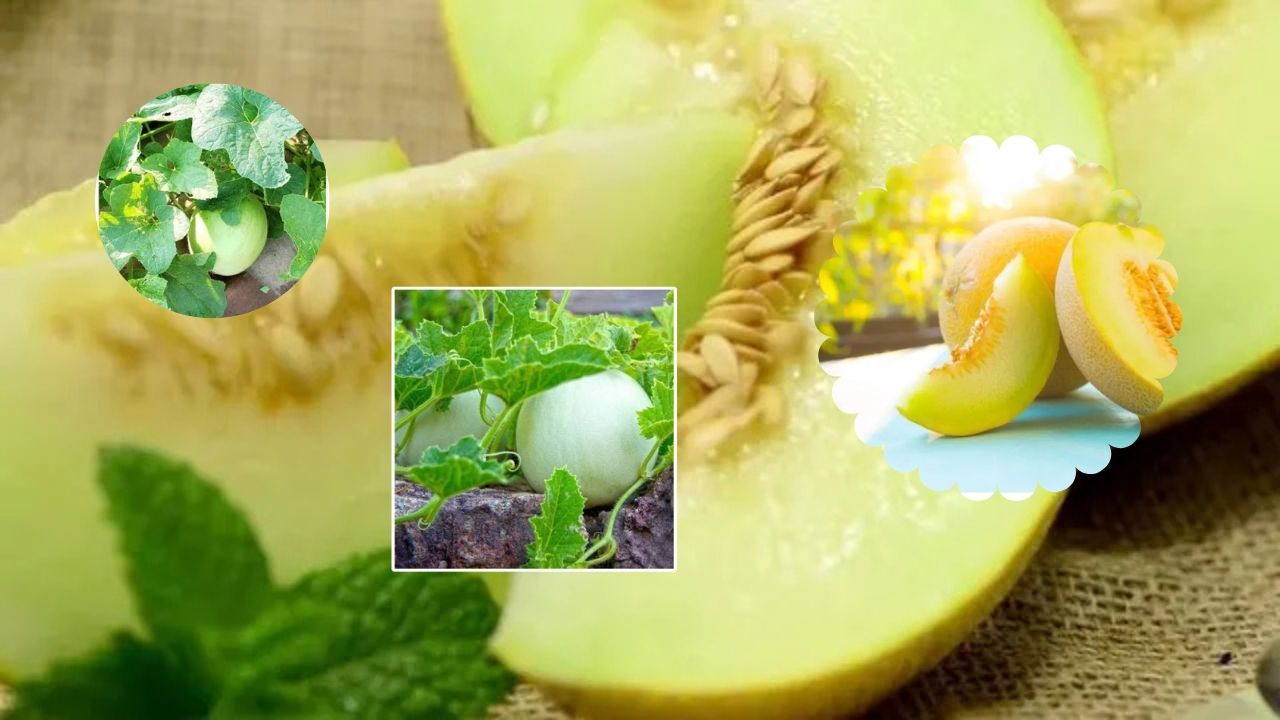
Honeydew melons are warm-season fruiting plants that need plenty of sunlight, heat, space, and consistent moisture to produce sweet, juicy fruit. They grow on long, vigorous vines, so choosing the right location before planting is one of the most important steps. Select a sunny area that receives at least six to eight hours of direct sunlight each day. More sunlight generally supports stronger vines, better flowering, and improved fruit development.
The planting area should also have good air circulation. Avoid placing honeydew melons in a low, poorly drained section of the garden where water collects after rain or irrigation. Wet conditions around the roots can encourage fungal problems and weaken the plants.
Because the vines can spread several feet in different directions, give each plant enough room to grow without competing heavily with nearby vegetables. If garden space is limited, the vines can sometimes be trained carefully onto a sturdy trellis, but developing melons may need additional support as they become heavy.
Preparing the Soil Before Planting
Honeydew melons grow best in fertile, loose, well-draining soil that allows their roots to expand easily. Before planting, loosen the soil to a depth of roughly 12 to 18 inches. Break up compacted areas and remove large stones, weeds, and plant debris.
Adding mature compost or well-rotted organic matter improves soil structure while providing nutrients for vigorous growth. Honeydew generally performs well in slightly acidic to neutral soil, with a pH around 6.0 to 6.8.
Avoid adding excessive fertilizer before planting, especially products high in nitrogen. Too much nitrogen can encourage lush leafy growth while reducing the plant’s focus on flowers and fruit. A balanced soil fertility program is more useful for producing healthy vines and a productive harvest.
If your soil is heavy clay, improving drainage with organic matter can help. In very poor or compacted soil, growing honeydew melons in raised beds can provide better control over drainage, fertility, and root development.
Starting Honeydew Melon Seeds
Honeydew melons are sensitive to cold, so seeds should be planted after the danger of frost has passed and the soil has warmed. Warm soil encourages quicker germination and healthier early growth.
Seeds can be started directly outdoors or sown indoors several weeks before the expected last frost in cooler climates. When starting indoors, use individual containers to minimize root disturbance during transplanting.
Plant seeds about ½ to 1 inch deep in moist soil. Keep the growing medium consistently warm and lightly moist while the seeds germinate. Under favorable conditions, seedlings can emerge within several days to around two weeks.
Once seedlings develop several healthy leaves and outdoor temperatures remain consistently warm, gradually acclimate them to outdoor conditions before transplanting. This hardening-off process reduces transplant shock and helps young plants adjust to direct sunlight and outdoor temperatures.
Planting Honeydew Melon Seedlings
When transplanting honeydew seedlings, handle their roots gently and avoid disturbing the root ball unnecessarily. Plant them at approximately the same depth at which they were growing in their containers.
Space plants generously because their vines can become extensive. Depending on the variety and growing method, plants may require several feet of space between one another. Crowded plants compete for sunlight, water, and nutrients and may also have poorer airflow.
After planting, water the soil thoroughly to settle it around the roots. Applying a layer of organic mulch around the plants can help conserve moisture and reduce weed competition. Keep mulch slightly away from the main stem to prevent excessive moisture from remaining against the plant.
Providing the Right Amount of Sunlight
Sunlight is essential for honeydew melon production. These plants need strong, direct light to produce enough energy for vigorous vines and fruit development.
A location receiving six to eight or more hours of sunlight is ideal. Plants grown in partial shade may produce plenty of leaves but fewer flowers and smaller or less flavorful fruit.
If growing honeydew in a container or small garden, position the plants where they receive unobstructed sunlight throughout most of the day. Watch for nearby buildings, fences, or taller plants that may cast shadows as the growing season progresses.
Good sunlight combined with warm temperatures helps honeydew melons develop their characteristic sweetness.
Watering Honeydew Melon Plants Properly
Consistent watering is particularly important while honeydew vines are establishing themselves, flowering, and developing fruit. The soil should remain evenly moist but never waterlogged.
Deep watering is generally better than frequent shallow watering because it encourages roots to grow farther into the soil. Water around the base of the plant rather than repeatedly wetting the foliage. Drip irrigation or a soaker hose can be especially useful because it delivers moisture directly to the root zone.
During very hot weather, plants may need additional water. Check the soil regularly by feeling the upper layer. If it begins to dry noticeably, provide a thorough watering.
As the fruits approach maturity, avoid allowing the plants to experience extreme fluctuations between very dry and excessively wet conditions. Consistent moisture supports healthy fruit development and can reduce stress on the vines.
Fertilizing for Strong Vines and Sweet Fruit
Honeydew melons are relatively heavy feeders, particularly when producing vigorous vines and fruit. Fertile soil enriched with compost gives plants a strong foundation, but additional feeding may be useful during the growing season.
A balanced fertilizer can be applied according to the product’s directions when plants are actively growing. Once flowering and fruit development begin, avoid excessive nitrogen. Too much nitrogen can encourage leaves and vines at the expense of fruit production.
A fertilizer containing adequate phosphorus and potassium can support flowering and fruit development, while nitrogen remains important for overall plant health. The best fertilizer program depends on the fertility of your soil, so a soil test can help determine what nutrients are actually needed.
Managing Vines for Better Growth
Honeydew melon vines naturally spread along the ground. Allowing them to spread freely is one of the simplest growing methods, but managing their direction can keep the garden more organized.
Guide young vines gently rather than pulling or sharply bending them. Mulch beneath developing fruits can help keep them from sitting directly on wet soil. A clean layer of straw or another suitable mulch can reduce contact with the ground and help protect fruit from soil-related problems.
If using a trellis, choose a structure strong enough to support mature vines and fruit. Heavy melons may require individual slings or other supports so that developing fruit does not place excessive weight on the vines.
Encouraging Flowers and Fruit Development
Healthy honeydew plants usually produce separate male and female flowers. Pollinators such as bees play an important role in transferring pollen and helping fruit develop.
Avoid unnecessary pesticide applications when plants are flowering, particularly products that can harm beneficial pollinating insects. Providing a garden environment that supports pollinators can improve the chances of successful pollination.
If flowers appear but fruits fail to develop, poor pollination, extreme temperatures, excessive nitrogen, or inconsistent growing conditions may be contributing factors. Maintaining steady moisture, adequate sunlight, and healthy plant growth can encourage better fruit set.
Once small fruits begin forming, avoid excessive handling of the vines. Allow the plant to direct its energy toward developing the fruit.
Protecting Honeydew Melons From Common Problems
Honeydew melons can experience several common garden problems, including fungal diseases, insect pests, and environmental stress. Good growing practices are the first line of defense.
Give plants enough space for airflow and water at the soil level whenever possible. Remove severely damaged or diseased leaves rather than allowing problems to spread throughout dense foliage.
Common pests may include aphids, cucumber beetles, squash bugs, and various caterpillars. Inspect the leaves and stems regularly, especially the undersides of leaves. Early detection makes pest management much easier.
Weeds should also be removed regularly because they compete with melon plants for water and nutrients and can create a humid environment around the vines.
Knowing When Honeydew Melons Are Ready to Harvest
Determining the right harvest time is essential for getting sweet, flavorful honeydew melons. Unlike some fruits, honeydew may not always separate dramatically from the vine when fully mature, so several signs should be considered together.
The fruit should reach the expected size and color for its particular variety. The skin often becomes lighter and develops a smoother, more mature appearance as the melon ripens. A pleasant fragrance around the blossom end can also indicate approaching maturity.
Some varieties develop a subtle change in texture or color as they mature. Avoid harvesting solely based on size because a large melon can still be immature.
Use a clean knife or pruning shears to cut the fruit from the vine rather than pulling aggressively. Handle harvested melons carefully to prevent bruising.
Caring for Honeydew Plants After Harvest
Depending on the climate and variety, honeydew plants may continue flowering and producing additional fruit after the first harvest. Continue providing adequate sunlight, water, and nutrients while the vines remain healthy.
Remove severely damaged foliage and keep the growing area clean. Continue monitoring for pests and disease, especially during warm and humid weather.
At the end of the growing season, remove old melon vines and plant debris from the garden. Cleaning the growing area can reduce the number of pests and disease organisms that remain around the plants.
Avoid repeatedly planting melons or closely related crops in exactly the same location year after year. Rotating crops can help maintain healthier soil and reduce the buildup of certain soil-related problems.
Tips for Growing Sweeter Honeydew Melons
Sweetness depends on genetics, sunlight, temperature, plant health, and growing conditions. Choose a variety suited to your climate and provide plenty of direct sunlight throughout the season.
Consistent watering during active growth is important, but avoid keeping the soil constantly saturated. Maintain adequate nutrition without overfertilizing with nitrogen. Good pollination and healthy foliage allow the plant to produce and fill its fruit effectively.
As harvest approaches, pay close attention to the fruit’s maturity signs rather than harvesting simply because the melons have reached a certain size. Picking at the right stage can make a noticeable difference in flavor and texture.
Growing Honeydew Melons for a Bigger Harvest
A successful honeydew harvest begins before the seeds are planted. Choosing a sunny location, preparing fertile and well-drained soil, planting at the right time, and maintaining consistent moisture all contribute to strong growth.
During the season, focus on keeping the vines healthy rather than forcing rapid growth with excessive fertilizer. Give plants adequate room, encourage good airflow, protect flowers and pollinators, and monitor the vines regularly for pests or disease.
With warmth, sunlight, proper watering, fertile soil, and patience, honeydew melons can become one of the most rewarding fruits to grow at home. By giving the plants the conditions they need throughout the entire growing season, you can encourage healthy vines, well-developed fruit, and a generous harvest of sweet, refreshing melons.
