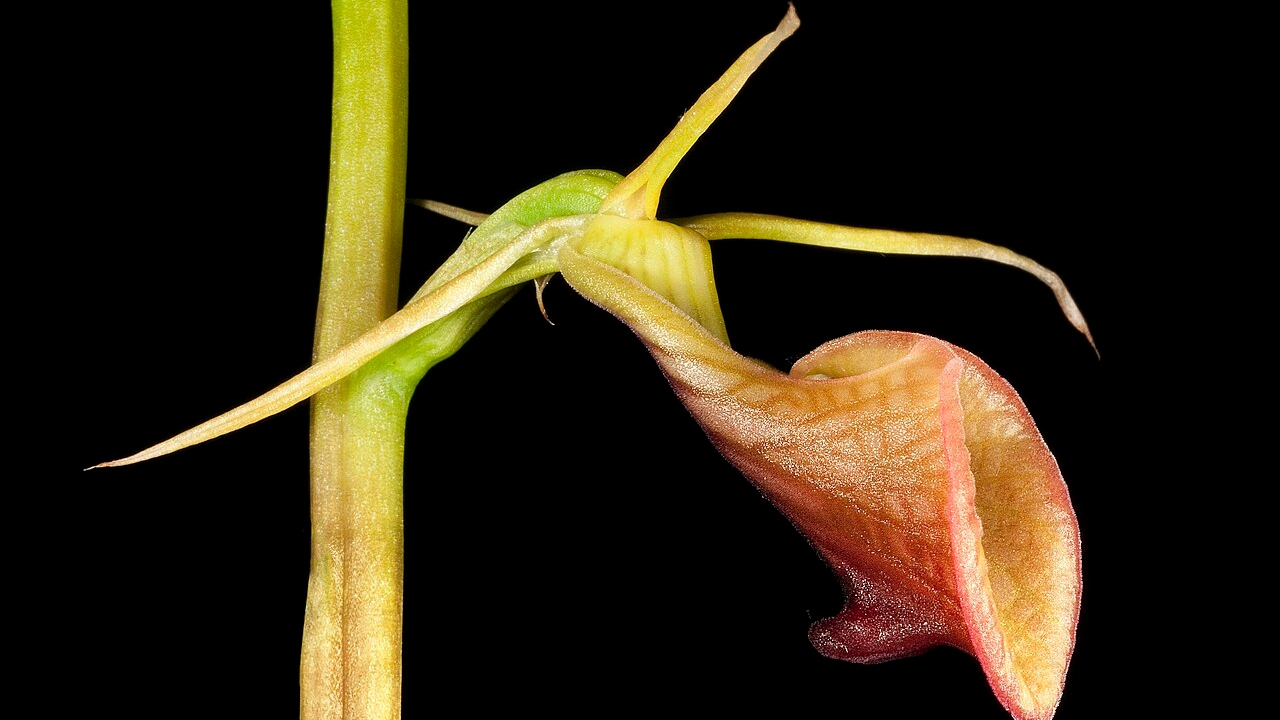
Coilochilus is a fascinating orchid genus admired by collectors for its elegant flowers, unique growth habit, and tropical beauty. Although it is not as commonly cultivated as many popular orchids, Coilochilus rewards attentive growers with healthy foliage and attractive blooms when provided with the right conditions. Native to warm, humid forests, these orchids naturally grow in environments where filtered sunlight, constant moisture, and excellent air circulation support their development throughout the year.
Growing Coilochilus successfully begins with understanding its natural habitat. These orchids thrive in conditions that closely resemble tropical forests, where temperatures remain moderate, humidity stays consistently high, and roots receive plenty of airflow. Whether you are an experienced orchid enthusiast or just beginning your orchid-growing journey, learning the specific care requirements of Coilochilus will greatly improve your chances of cultivating vigorous, long-lasting plants.
Understanding the Natural Habitat of Coilochilus
The foundation of successful Coilochilus cultivation lies in recreating its native environment. These orchids are typically found growing in humid woodland areas where they receive dappled sunlight beneath the forest canopy. Instead of intense direct sun, they enjoy gentle morning light and filtered brightness throughout the day.
Rainfall in their native regions is frequent, but the roots rarely remain waterlogged because they naturally grow in well-drained locations. Constant airflow helps prevent fungal diseases while maintaining healthy root systems. Mimicking these conditions at home creates the ideal environment for continuous growth and flowering.
Understanding where the plant originates helps growers avoid common mistakes such as excessive sunlight, poor drainage, or insufficient humidity.
Choosing the Right Growing Medium
A well-draining growing medium is one of the most important factors for healthy Coilochilus plants. Since orchid roots require both moisture and oxygen, dense garden soil should never be used.
A mixture containing medium-grade bark, charcoal, perlite, and a small amount of sphagnum moss provides an excellent balance between water retention and aeration. The bark creates air pockets around the roots, while moss helps maintain consistent moisture without causing soggy conditions.
Repotting is generally needed every two or three years, or whenever the growing medium begins to break down. Fresh media promotes healthier root development and reduces the risk of root rot.
Always choose containers with multiple drainage holes to encourage proper airflow around the root system.
Light Requirements for Healthy Growth
Proper lighting directly affects the growth rate and flowering performance of Coilochilus orchids. They prefer bright, indirect light rather than harsh afternoon sun.
An east-facing window often provides ideal lighting because it offers gentle morning sunshine followed by indirect light for the rest of the day. South-facing windows can also work if sheer curtains filter the stronger sunlight.
Plants receiving insufficient light may develop dark green leaves but produce few flowers. Conversely, excessive sunlight may scorch the foliage, leaving yellow or brown patches.
Healthy leaves usually display a medium green color, indicating that the plant is receiving an appropriate amount of light.
Temperature and Humidity Preferences
Coilochilus performs best under warm, stable temperatures that resemble tropical climates. Daytime temperatures between 20°C and 28°C encourage active growth, while slightly cooler nighttime temperatures around 15°C to 18°C support healthy plant metabolism.
Humidity plays an equally important role. Maintaining humidity levels between 60% and 80% helps prevent leaf dehydration and encourages vigorous root production.
Indoor growers can increase humidity by using humidifiers, humidity trays, or grouping multiple plants together. However, high humidity should always be paired with good air movement to reduce the risk of fungal infections.
Small circulating fans help maintain fresh air around the plants without creating strong drafts.
Watering Techniques That Prevent Root Problems
Watering Coilochilus correctly is often the biggest challenge for beginners. These orchids appreciate evenly moist growing conditions but dislike prolonged saturation.
Water thoroughly until excess moisture drains freely from the pot. Allow the growing medium to approach slight dryness before watering again rather than keeping it constantly wet.
The watering schedule depends on temperature, humidity, pot size, and the type of growing medium. During warmer months, watering may be required several times per week, while cooler seasons usually require less frequent irrigation.
Using room-temperature water minimizes stress on the roots. Rainwater or filtered water is often preferred where tap water contains high mineral levels.
Observing the roots and potting mix is generally more reliable than following a fixed watering calendar.
Fertilizing for Vigorous Growth and Flowering
Like most orchids, Coilochilus benefits from regular feeding during active growth. A balanced orchid fertilizer applied at one-quarter to one-half strength every two to four weeks provides sufficient nutrients without overwhelming the roots.
Many growers alternate between balanced fertilizers and bloom-enhancing formulas during the flowering season. Flushing the pot with plain water once each month helps remove accumulated fertilizer salts that may damage sensitive roots.
Overfertilizing can result in burned root tips, excessive leaf growth, and poor flowering, so moderation is always preferable.
Healthy nutrition combined with proper lighting creates ideal conditions for producing attractive blooms.
Propagation Methods for Coilochilus
Propagation is usually achieved by dividing mature plants during repotting. Divisions should only be made when the orchid has developed multiple healthy growths with an established root system.
Using sterilized cutting tools helps prevent disease transmission. Each division should retain several healthy pseudobulbs or growth points along with active roots to improve recovery after transplanting.
Fresh potting media should be used immediately after division. Newly divided plants benefit from slightly higher humidity while minimizing direct sunlight until new root growth becomes established.
Seed propagation is possible but generally requires specialized laboratory techniques because orchid seeds depend on unique fungal relationships for successful germination.
For home growers, division remains the simplest and most reliable propagation method.
Repotting Without Damaging the Plant
Repotting should be performed when the growing medium begins decomposing, drainage declines, or the plant has clearly outgrown its container.
Carefully remove the orchid from its pot and gently separate old potting material from the roots. Dead or damaged roots should be trimmed using sterilized scissors before placing the plant into fresh media.
Avoid choosing an excessively large container since orchids generally perform better in relatively snug pots. Position the plant securely so new roots can establish without excessive movement.
After repotting, reduce watering slightly for several days while maintaining adequate humidity to encourage healing.
Common Growing Problems and Their Solutions
Even well-maintained Coilochilus orchids occasionally encounter problems. Yellow leaves may indicate excessive sunlight, while dark, soft roots often result from overwatering and poor drainage.
Wrinkled pseudobulbs frequently signal underwatering or damaged roots that cannot absorb sufficient moisture. Brown leaf tips may develop due to low humidity or excessive fertilizer buildup.
Common pests include spider mites, mealybugs, aphids, and scale insects. Regular inspections allow early detection before infestations become severe.
Cleaning leaves with water and maintaining strong air circulation significantly reduces many pest and disease issues. Healthy plants naturally resist infections better than stressed specimens.
Encouraging Reliable Flowering
Flower production depends on maintaining consistent care throughout the growing season. Adequate light remains the most important factor influencing bloom development.
Avoid sudden environmental changes that may stress the plant. Stable temperatures, regular feeding, proper watering, and sufficient humidity all contribute to successful flowering.
Some growers notice improved blooming after providing slightly cooler nighttime temperatures during the months leading up to the flowering season. Patience is also important, as younger plants may require several years to reach flowering maturity.
Once established, healthy Coilochilus plants often reward growers with elegant blooms that justify the extra attention they require.
Long-Term Care for Healthy Plants
Long-term success with Coilochilus comes from consistency rather than complicated care routines. Regular observation allows growers to identify changes in leaf color, root health, moisture levels, and overall vigor before problems become serious.
Cleaning old leaves, removing spent flower spikes, refreshing potting media when necessary, and maintaining excellent air circulation all contribute to healthier plants over time.
Rather than making frequent adjustments, focus on providing stable growing conditions that closely resemble the orchid’s natural tropical environment. With patience and attentive care, Coilochilus can become a beautiful and rewarding addition to any orchid collection, offering years of healthy growth and graceful seasonal blooms.
