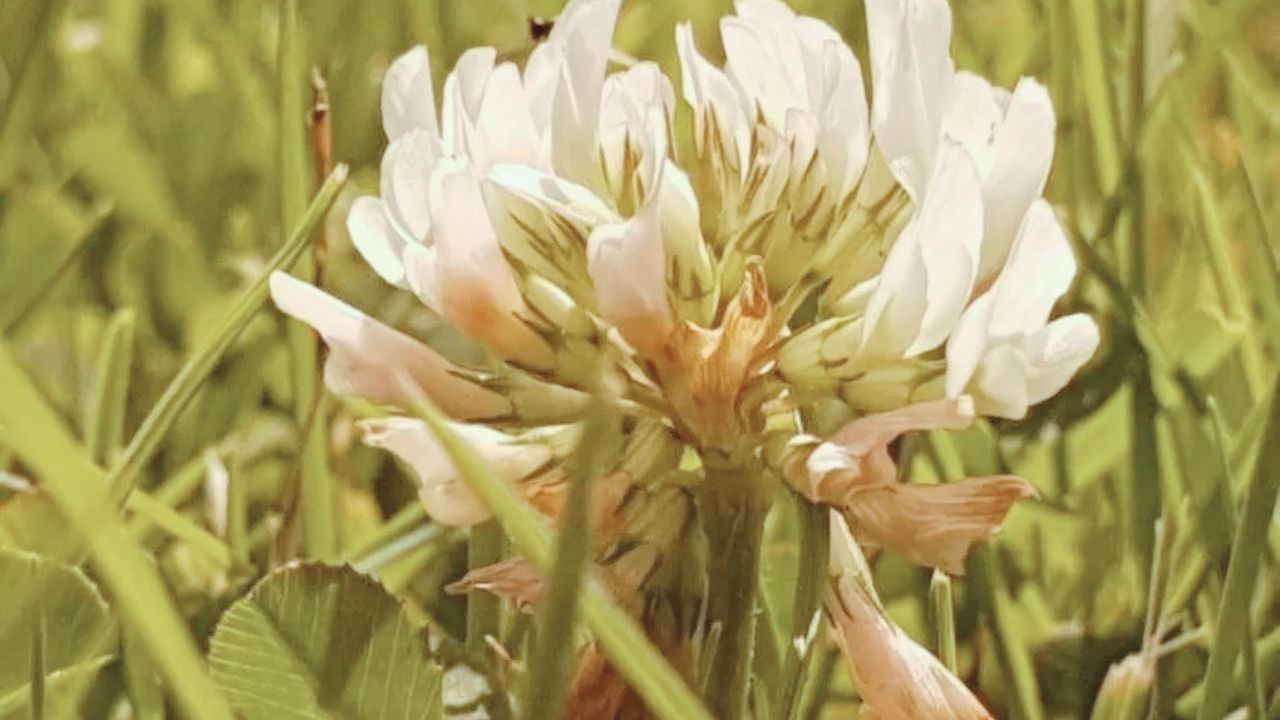
Trifolium pallescens is a charming alpine clover that thrives in some of the harshest mountain environments in Europe. Known for its compact growth, delicate white to pale pink flowers, and ability to survive in rocky, nutrient-poor soils, this perennial plant is an excellent choice for gardeners who enjoy growing rare alpine species. Although it naturally grows in high-altitude meadows and rocky slopes, it can also flourish in home gardens when its natural habitat is carefully recreated.
Growing Trifolium pallescens successfully requires understanding its preference for cool temperatures, excellent drainage, and moderate moisture. Unlike many ornamental flowers, this alpine clover does not demand rich soil or frequent fertilization. Instead, it rewards gardeners who provide simple, natural growing conditions. Whether you’re creating an alpine garden, rockery, container display, or wildlife-friendly landscape, this guide will walk you through every step of planting, growing, and maintaining healthy Trifolium pallescens plants.
Understanding Trifolium pallescens
Trifolium pallescens belongs to the pea family (Fabaceae), a group of plants well known for their ability to fix nitrogen in the soil. This natural process improves soil fertility over time while supporting nearby plants. In its native habitat, Trifolium pallescens grows close to the ground, forming neat mats of trifoliate leaves topped with small rounded flower heads during the growing season.
Because it evolved in alpine environments, the plant is naturally adapted to cool climates, intense sunlight, rocky terrain, and short growing seasons. These characteristics make it particularly suitable for alpine collections and low-maintenance rock gardens.
Choosing the Ideal Growing Location
Selecting the right location is the first and most important step toward success. Trifolium pallescens prefers areas that closely resemble mountain conditions. It performs best in open spaces where it receives plenty of sunlight while remaining relatively cool throughout the day.
In regions with mild summers, full sun encourages healthy flowering and compact growth. However, gardeners living in warmer climates should provide light afternoon shade to prevent excessive heat stress. Good air circulation also helps keep the foliage healthy and reduces moisture-related diseases.
Raised beds, rock gardens, alpine troughs, and containers with excellent drainage are all excellent growing locations.
Soil Requirements
One of the biggest mistakes gardeners make is planting alpine species in heavy, rich garden soil. Trifolium pallescens naturally prefers lean, well-drained soils that do not remain wet after rainfall.
A soil mixture containing coarse sand, gravel, fine stone chips, and a small amount of organic matter creates ideal conditions. The soil should remain loose and airy, allowing excess water to drain quickly.
The preferred soil pH is slightly acidic to neutral, generally between 6.0 and 7.0. Avoid compacted clay soils, as standing water around the roots can quickly lead to root rot.
Adding small stones or gravel around the planting area also helps imitate its natural alpine environment while improving drainage.
How to Plant Trifolium pallescens
Planting can be done either from seeds or young nursery-grown plants. Spring is generally the best season because it gives roots plenty of time to establish before winter.
If starting from seed, lightly press the seeds onto the soil surface without burying them too deeply. A very thin covering of fine grit or sand is usually sufficient. Keep the soil consistently moist until germination occurs.
Young plants should be transplanted carefully to avoid damaging the delicate root system. Dig a shallow planting hole, place the plant at the same depth it was previously growing, and gently firm the soil around the roots.
Water immediately after planting to settle the soil without creating waterlogged conditions.
Watering the Right Way
Although Trifolium pallescens appreciates consistent moisture during active growth, it dislikes constantly wet soil. Proper watering is all about maintaining balance.
Water deeply whenever the upper layer of soil becomes dry, allowing excess moisture to drain freely. During cool spring weather, watering requirements remain fairly low. In warmer summer periods, more frequent watering may be necessary, especially for container-grown specimens.
Avoid daily light watering, as this encourages shallow root development. Instead, provide thorough watering followed by partial drying of the soil.
Established plants become surprisingly drought tolerant once their roots have fully developed, although prolonged dry periods should still be avoided.
Sunlight and Temperature Needs
As an alpine species, Trifolium pallescens thrives under bright sunlight combined with cool temperatures. It enjoys long daylight hours without excessive heat.
Ideal growing temperatures generally range between 10°C and 22°C during the active growing season. Extended periods above 28°C may reduce flowering and slow growth.
In hot climates, providing afternoon shade or growing the plant in elevated containers where air circulation remains high can significantly improve performance.
The species is highly tolerant of cold winters and can survive freezing temperatures once fully established, making it suitable for many temperate gardens.
Fertilizing for Healthy Growth
Unlike many flowering ornamentals, Trifolium pallescens does not require heavy feeding. Because it naturally fixes atmospheric nitrogen through beneficial root bacteria, excessive fertilizer can actually reduce plant health.
A light application of balanced, slow-release fertilizer in early spring is usually sufficient if the soil is extremely poor.
Compost should be used sparingly since overly rich soil encourages lush leafy growth at the expense of flowers.
For most gardens, maintaining well-drained soil and avoiding overfeeding produces the healthiest plants.
Seasonal Care Throughout the Year
Seasonal maintenance remains relatively simple.
During spring, inspect plants for winter damage, remove dead foliage, and refresh the gravel mulch if necessary.
Summer is the primary flowering period. Continue moderate watering during dry weather while removing spent flower heads if a tidier appearance is desired.
Autumn is an excellent time to collect seeds for future propagation and remove damaged foliage before winter arrives.
During winter, mature plants generally require very little attention. Ensure containers remain well drained so roots are not exposed to prolonged freezing moisture.
Minimal disturbance during dormancy helps plants return vigorously in spring.
Pruning and General Maintenance
Trifolium pallescens rarely requires major pruning. Routine maintenance mainly involves removing faded flowers, yellow leaves, and damaged stems.
After flowering has finished, lightly trimming the plant helps maintain its compact shape and encourages fresh foliage growth.
Avoid cutting deeply into the crown, as alpine perennials recover more slowly from severe pruning.
Keeping nearby weeds under control also reduces competition for moisture and nutrients.
Growing Trifolium pallescens in Containers
Container growing is an excellent option, especially for gardeners living in warmer regions where controlling soil conditions becomes easier.
Choose a shallow but wide container with generous drainage holes. Fill it with a gritty alpine soil mix containing sand, gravel, and a limited amount of organic material.
Containers should be positioned where they receive morning sun and good airflow.
Because pots dry more quickly than garden beds, monitor soil moisture regularly while still avoiding overwatering.
Repot every few years if the plant becomes overcrowded or if soil drainage begins to decline.
Propagation Methods
Propagation is most commonly performed using seeds.
Collect mature seeds once flower heads have dried naturally. Store them in a cool, dry place until the following planting season.
Some gardeners lightly scarify seeds or expose them to a short period of cold stratification before sowing to improve germination rates.
Division may also be possible for mature clumps, although this method should be performed carefully to avoid damaging the delicate root system.
Always divide plants during cool weather when they are actively growing but not flowering heavily.
Common Pests and Diseases
One advantage of growing Trifolium pallescens is its relatively strong resistance to serious pest problems.
Occasionally, aphids may appear on tender new growth. These can usually be removed with a strong spray of water or controlled using insecticidal soap.
Slugs and snails sometimes feed on young seedlings, particularly during wet weather. Physical barriers or hand removal usually provide adequate protection.
Most diseases result from poor drainage rather than infections. Root rot remains the greatest threat and is almost always caused by excessive soil moisture.
Providing excellent drainage and avoiding overcrowding significantly reduces disease risk.
Landscaping Uses
The neat growth habit and attractive flowers make Trifolium pallescens highly versatile in landscape design.
It blends beautifully with alpine flowers, dwarf grasses, stone pathways, and rock garden displays. The plant also performs well between stepping stones where soil remains well drained.
Because it naturally enriches soil with nitrogen, it serves as a beneficial companion for many alpine perennials.
Its flowers attract bees and other pollinators, making it an excellent addition to wildlife-friendly gardens.
Even after flowering, the attractive green foliage continues to provide texture throughout the growing season.
Common Mistakes to Avoid
Many cultivation problems stem from trying to grow this alpine species like a typical garden flower.
Heavy clay soil, excessive watering, rich fertilizers, and poor drainage frequently lead to weak growth or root rot.
Growing the plant in hot, humid locations without adequate airflow may also reduce vigor.
Planting too deeply can slow establishment, while excessive pruning weakens the crown.
By recreating its natural alpine habitat with rocky soil, bright sunlight, moderate moisture, and cool conditions, gardeners can avoid nearly all common problems.
Conclusion
Trifolium pallescens may be a small alpine perennial, but it offers remarkable beauty, resilience, and ecological value. Its compact foliage, delicate flowers, and low-maintenance nature make it an excellent choice for alpine gardens, rockeries, containers, and naturalistic landscapes. By providing well-drained soil, cool growing conditions, moderate watering, and minimal fertilization, even beginner gardeners can successfully cultivate this unique mountain clover. With patience and proper seasonal care, Trifolium pallescens will reward your efforts with healthy growth, charming blooms, and lasting beauty year after year.
