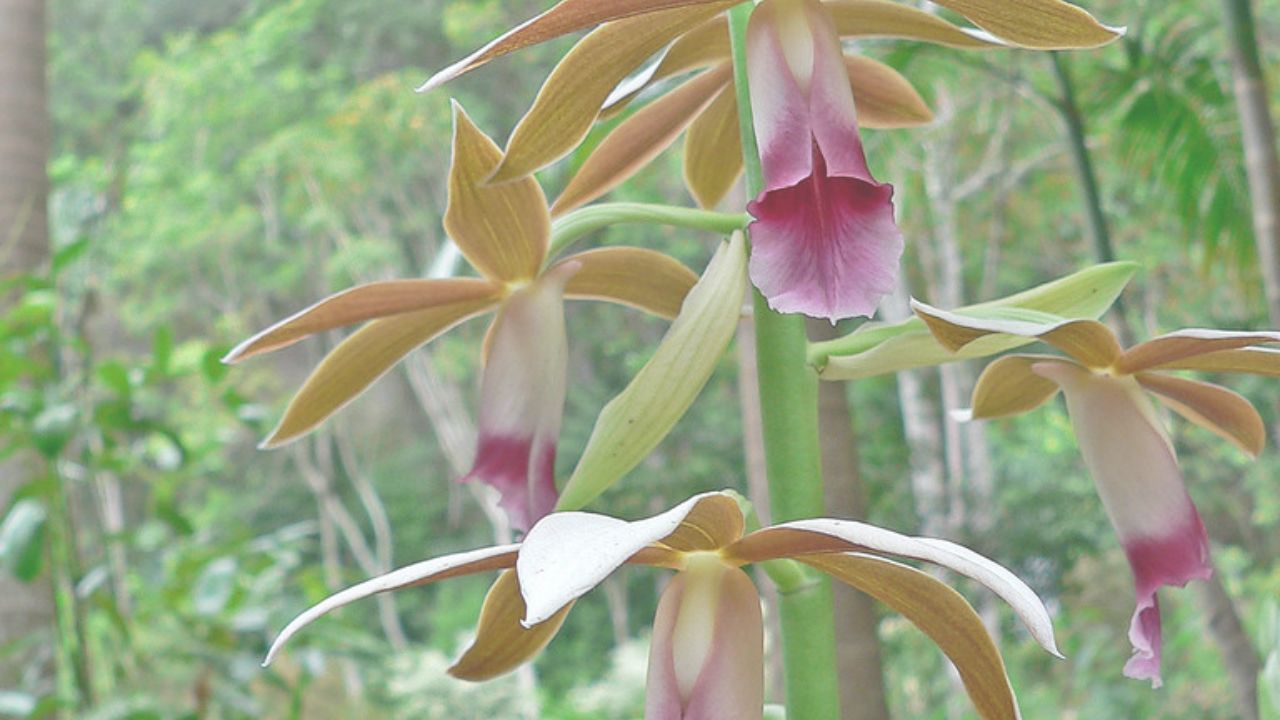
Phaius orchids, commonly known as nun’s orchids, are terrestrial or semi-terrestrial orchids that can grow vigorously when their basic environmental needs are balanced. A Phaius Care Console System is essentially a structured approach to managing the three factors that have the greatest influence on healthy growth: light, moisture, and heat. Instead of treating each requirement separately, this system keeps them working together so the plant can produce strong leaves, develop healthy roots, and eventually flower.
Fast growth does not simply mean giving an orchid more water, more heat, or stronger light. Excessive amounts of any one factor can create stress and encourage problems such as root damage, leaf scorching, dehydration, or fungal diseases. The goal is to create a stable growing environment that resembles the warm, humid conditions where these orchids naturally thrive.
Choosing the Right Location
Start by selecting a location with bright but filtered light, good air movement, and protection from harsh afternoon sun. Phaius can tolerate considerably more light than some delicate orchid varieties, but direct intense sunlight through glass can quickly overheat the leaves.
An east-facing window is often a useful choice because it provides gentle morning sunlight. A bright south- or west-facing position can also work when the plant is protected with a sheer curtain. Indoors, the orchid should receive enough light to maintain strong, upright leaves without developing widespread bleaching or brown patches.
If the leaves become very dark green and growth appears slow, the plant may need more light. If leaves develop pale yellow areas, crispy edges, or sunburned patches, reduce the intensity.
Managing Light for Fast Growth
Light provides the energy Phaius needs for photosynthesis, making it one of the most important controls in the care system. Aim for bright indirect light or filtered sunlight for much of the day. A few hours of mild morning sun can be beneficial, while strong midday and afternoon sunlight should generally be softened.
During periods of active growth, consistent light encourages the production of larger leaves and stronger pseudobulbs. Rotate the container occasionally if the plant grows toward the light source, helping maintain balanced development.
Artificial grow lights can also be useful indoors. Position them according to their intensity and the manufacturer’s recommendations rather than placing them extremely close to the foliage. The plant should receive a consistent daily light period while still having a dark period at night.
Keeping Moisture Consistent
Moisture is another major component of the Phaius Care Console System. Unlike many epiphytic orchids that prefer to dry significantly between waterings, Phaius generally appreciates more consistent moisture around its roots during active growth.
Water thoroughly whenever the upper portion of the growing medium begins to dry, allowing excess water to drain freely. Do not allow the container to remain submerged in standing water. Constantly saturated conditions can reduce oxygen around the roots and eventually cause root deterioration.
During warm, bright weather, the plant may use water quickly and require more frequent watering. In cooler or darker conditions, evaporation and plant growth slow down, so watering should be reduced accordingly.
The growing medium is therefore more important than following a rigid watering calendar. Check the moisture before watering rather than automatically watering every few days.
Selecting a Suitable Growing Medium
A good Phaius growing medium should retain enough moisture for steady growth while still allowing excess water to escape. A mixture containing organic material such as fine bark, coco-based material, leaf mold, or quality orchid compost can provide a useful balance.
The medium should not become compacted over time. Dense, decomposing material can restrict airflow around the roots and hold excessive moisture. If the mix begins breaking down or drainage becomes poor, repotting may be necessary.
Choose a container with adequate drainage holes. The size should be appropriate for the root system rather than excessively large. An oversized pot can retain moisture for too long after watering.
Controlling Heat and Temperature
Phaius generally performs best under warm growing conditions. Active growth is encouraged when temperatures remain comfortably warm during the day and do not become excessively cold at night.
A daytime range around 20–30°C can support vigorous growth, while slightly cooler nighttime temperatures can be beneficial. Avoid placing the orchid beside heating vents, radiators, air-conditioning outlets, or other sources of sudden temperature changes.
Heat and moisture must be balanced carefully. Warm conditions increase water consumption and evaporation, while stagnant humid air can encourage disease. When temperatures rise, improve ventilation rather than simply increasing humidity.
Balancing Humidity and Air Movement
Moderate to high humidity can help Phaius maintain healthy foliage, particularly during hot or dry weather. However, humidity without air movement can create an environment where fungal and bacterial problems develop more easily.
Provide gentle circulation around the plant without directing a strong fan continuously at the leaves. Good airflow allows excess moisture to evaporate from foliage and helps stabilize the growing environment.
If indoor air is very dry, a humidifier can raise ambient humidity. A humidity tray may also provide some local moisture, but the base of the pot should remain above standing water.
Feeding for Strong Growth
Phaius can benefit from regular feeding during active growth. Use a balanced orchid fertilizer at an appropriate diluted strength and apply it according to the product’s directions. Consistent, moderate feeding is generally preferable to occasional heavy applications.
Watering the plant before fertilizing can help prevent concentrated fertilizer from contacting dry roots. Periodic flushing with clean water can also help remove accumulated fertilizer salts from the growing medium.
When growth slows naturally, reduce feeding rather than continuing an aggressive fertilization schedule. Fertilizer supports growth, but it cannot compensate for poor light, damaged roots, or unsuitable moisture conditions.
Watering Through Different Seasons
The watering routine should change with the plant’s growth cycle and surrounding conditions. During warm, bright periods, Phaius may produce leaves and roots rapidly and therefore require more frequent moisture.
During cooler or darker periods, allow the medium to dry somewhat more between waterings. The exact interval depends on the pot, medium, temperature, humidity, and airflow.
Morning watering is often practical because foliage has more time to dry during the day. When watering, soak the medium thoroughly rather than giving the plant only a small amount of water around the surface.
Repotting and Root Management
Repotting is best performed when the plant is entering or actively beginning a period of new growth. This gives the roots an opportunity to establish themselves in fresh medium.
Remove deteriorated growing material carefully and inspect the roots. Healthy roots should be firm rather than mushy or severely decayed. Damaged material can be removed with clean tools before placing the plant into fresh, well-draining medium.
Avoid disturbing the root system unnecessarily. Phaius can recover well when repotted under suitable conditions, but excessive handling can temporarily slow growth.
Recognizing Problems Early
The leaves provide useful information about whether the care system is properly balanced. Dark green foliage combined with weak growth can indicate insufficient light. Yellowing or scorched leaves may indicate excessive light, heat, or another environmental problem.
Soft, declining roots can suggest excessive moisture or poor drainage. Wrinkled leaves may indicate insufficient water or damaged roots that are unable to absorb moisture effectively.
Slow growth can also result from seasonal changes. Before changing several conditions at once, evaluate light, moisture, temperature, airflow, and root health individually.
Creating a Simple Phaius Care Routine
A practical routine makes the Phaius Care Console System easier to maintain. Check the growing medium regularly, observe the leaves, and monitor the temperature and humidity around the plant. Adjust watering according to actual conditions rather than a fixed schedule.
Keep the orchid in bright filtered light, provide warmth, maintain steady moisture without waterlogging, and ensure gentle airflow. During active growth, provide appropriate nutrition and enough space for new shoots and roots to develop.
The key to fast, healthy Phaius growth is not maximizing one environmental factor. It is maintaining a stable relationship between light, moisture, heat, airflow, and nutrition. Once these conditions are balanced, Phaius can reward consistent care with vigorous foliage, expanding root systems, and impressive flowering growth.
