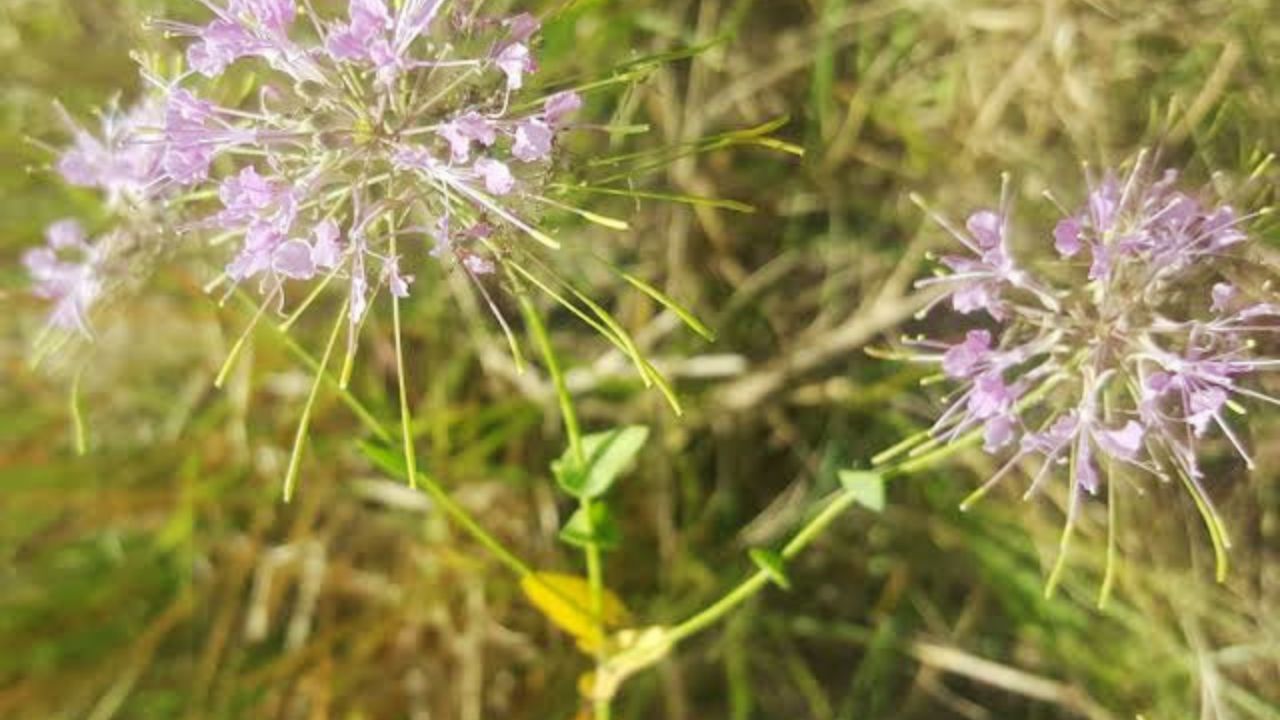
Devogelia shrubs can add attractive foliage, structure, and seasonal interest to a garden when they are planted in the right location and given consistent care. Like many ornamental shrubs, successful growth depends on several basic factors, including suitable soil, adequate sunlight, regular watering, feeding, pruning, and good air circulation. Once established, a well-maintained shrub can become a dependable part of a landscape and provide an attractive backdrop for flowering plants, pathways, borders, or mixed garden beds.
Before planting, take some time to understand the growing conditions available in your garden. The amount of sunlight, drainage, soil quality, temperature, and available space can all influence how quickly a shrub establishes itself. Choosing the right position from the beginning is usually much easier than trying to correct poor growing conditions later.
Choosing the Right Location
A suitable planting location is one of the most important parts of growing a healthy Devogelia shrub. Choose an area that receives plenty of natural light while also providing enough room for the plant to develop its mature shape. Good sunlight encourages stronger growth and helps ornamental shrubs maintain dense, attractive foliage.
In areas with very hot summers, some protection from intense afternoon sunlight can be useful, particularly for young plants. Morning sun combined with lighter afternoon shade can help reduce heat stress. In cooler climates, a brighter position is generally preferable.
Air circulation is also important. Avoid planting the shrub in a cramped corner surrounded by walls or other dense vegetation. Good airflow allows foliage to dry more quickly after rain or watering and can reduce the likelihood of fungal problems.
Preparing the Soil
Devogelia should be planted in soil that drains efficiently while still holding enough moisture for healthy root development. Heavy, constantly wet soil can create problems because plant roots need access to both moisture and oxygen. If water remains around the roots for long periods, root health may gradually decline.
Before planting, loosen the soil over a reasonably large area rather than preparing only a small hole. Remove large stones, weeds, and compacted material. Incorporating mature compost or other well-decomposed organic matter can improve soil structure and provide a more favorable environment for new roots.
If the soil is extremely heavy clay, improving drainage is particularly important. Raised planting areas or amended soil can help prevent excessive moisture around the root system. Sandy soil may require additional organic matter because it can drain too rapidly and may struggle to retain nutrients and moisture.
Planting Devogelia
The best planting time depends on the local climate, but mild periods in spring or early autumn are generally easier for newly planted shrubs. Avoid planting during periods of extreme heat, severe cold, or drought whenever possible.
Start by digging a hole that is wider than the plant’s root ball and approximately as deep as the root system requires. The plant should sit at roughly the same depth at which it was previously growing. Avoid burying the main stem or crown too deeply because excess moisture around these areas can encourage problems.
Carefully remove the plant from its container and gently loosen any tightly circling roots. Position it upright in the center of the hole, then refill the space with the prepared soil. Firm the soil gently around the roots without compacting it excessively.
Water thoroughly after planting. This settles the soil around the roots and removes large air pockets. If several shrubs are being planted together, leave enough space between them for mature growth and good ventilation.
Watering for Healthy Growth
Consistent watering is especially important during the establishment period. Newly planted shrubs generally need more attention than established plants because their root systems have not yet spread deeply into the surrounding soil.
Water slowly and deeply rather than giving the plant a small amount every day. Deep watering encourages roots to move farther into the soil, which can eventually improve drought tolerance. The exact frequency will depend on temperature, rainfall, soil type, wind, and the size of the plant.
Check the soil before watering. If the upper layer has begun to dry, it may be time to water again. However, avoid keeping the soil constantly saturated. During rainy periods, naturally occurring moisture may be enough, while plants may need more frequent watering during hot and dry weather.
A layer of organic mulch around the plant can help conserve soil moisture. Keep mulch slightly away from the main stem to prevent excessive moisture from collecting directly against the plant.
Feeding and Fertilizing
Good soil preparation can provide many of the nutrients a young shrub needs, but established plants may benefit from additional feeding during active growth. A balanced fertilizer formulated for ornamental shrubs can be applied according to its label instructions.
Spring is often a useful time for feeding because plants are beginning their main period of growth. A second application may be appropriate later in the growing season if the plant shows signs of nutrient deficiency or if the soil is naturally poor.
Avoid applying excessive fertilizer. More fertilizer does not necessarily mean faster or healthier growth. Too much nitrogen can encourage soft, leafy growth while reducing overall plant balance. It can also increase the risk of fertilizer damage to roots.
Organic compost can be used as a gentle way to improve soil quality over time. Applying a thin layer around the root zone each year can help maintain soil structure while gradually adding organic matter.
Pruning and Shaping
Pruning helps maintain the desired size and shape while removing damaged, weak, or overcrowded growth. The correct pruning time depends on the plant’s flowering and growth habits, so avoid removing large amounts of healthy growth without understanding when the shrub produces its flowers.
Begin by removing dead, broken, or diseased branches. Then look for branches that cross each other or grow inward through the center of the plant. Removing selected branches can improve airflow and allow more light to reach the interior.
For general shaping, make clean cuts with sharp, clean pruning tools. Avoid repeatedly cutting every branch to exactly the same height because this can create an unnatural appearance and encourage dense outer growth.
Regular light pruning is usually preferable to severe cutting. If a shrub has become badly overgrown, gradual renovation may be safer than removing most of the plant at once.
Protecting Devogelia From Pests and Diseases
Healthy plants are generally better able to tolerate occasional pest activity. Check the leaves, stems, and new growth regularly so that problems can be noticed early.
Common garden pests such as aphids, scale insects, or spider mites may occasionally affect ornamental shrubs. Look for distorted new growth, sticky residue, discoloration, fine webbing, or unusual spotting. Small infestations can sometimes be managed by washing foliage with a gentle stream of water or by using an appropriate garden treatment according to its directions.
Fungal problems are more likely when foliage remains wet for long periods or when plants are overcrowded. Good spacing, proper watering, and regular removal of badly affected plant material can help reduce these risks.
Always avoid unnecessary pesticide use. Correctly identifying the problem first makes treatment more effective and reduces the chance of harming beneficial insects.
Mulching and Seasonal Maintenance
Mulching is a simple way to make long-term shrub care easier. Organic mulch helps moderate soil temperature, reduce evaporation, and suppress competing weeds. Apply it in an even layer around the root zone, leaving a small gap around the plant’s base.
During spring, inspect the plant for winter damage and remove dead growth. Check the soil and replenish mulch if necessary. During summer, monitor moisture more frequently, particularly during prolonged periods without rainfall.
Autumn is a good time to remove fallen diseased leaves and inspect the overall structure of the shrub. In colder regions, young plants may benefit from additional protection during severe weather.
Winter care largely depends on the climate. Avoid excessive watering when the soil is already cold and wet, but do not allow container-grown plants to become completely dry for extended periods.
Growing Devogelia in Containers
Devogelia can also be considered for container growing when garden space is limited, provided the container gives the roots sufficient room. Choose a pot with drainage holes and use a quality, well-draining growing medium.
Container plants dry out faster than plants growing in the ground, so moisture should be checked regularly. At the same time, never allow the container to remain permanently filled with standing water.
As the plant grows, occasional root inspection and repotting may become necessary. Refreshing part of the growing medium can also help maintain good drainage and nutrient availability.
Container-grown shrubs generally require more frequent feeding than established garden plants because nutrients are gradually removed through watering.
Long-Term Care for Established Shrubs
Once Devogelia becomes established, maintenance is usually straightforward. Continue monitoring soil moisture, especially during unusually hot or dry weather. Keep the area around the shrub relatively free of aggressive weeds that compete for water and nutrients.
Annual composting, sensible fertilization, occasional pruning, and good sanitation can keep the plant looking attractive for many years. Do not automatically water or fertilize according to a fixed schedule without considering current conditions. Weather and soil moisture should guide your decisions.
Observe the plant throughout the growing season. Changes in leaf color, growth rate, flowering, or branch health can provide useful clues about what the plant needs.
Common Growing Mistakes to Avoid
One of the most common mistakes is planting a shrub in poorly drained soil. Even if watering is carefully controlled, naturally waterlogged soil can cause long-term root problems.
Another mistake is watering too frequently but too shallowly. This can encourage a shallow root system and may leave the plant more vulnerable during hot weather.
Over-fertilizing is another avoidable problem. Follow product directions and remember that healthy soil is more important than constant feeding.
Crowding plants too closely together can also reduce air circulation and increase maintenance problems. Give each shrub enough space to develop naturally.
Finally, avoid severe pruning simply to make the plant smaller. Regular, selective pruning is usually easier on the plant and produces a more natural appearance.
Enjoying a Healthy Devogelia Shrub
Growing Devogelia successfully is mainly about creating stable conditions and maintaining those conditions over time. Start with a suitable location, prepare well-drained soil, plant carefully, and establish a sensible watering routine. Once the shrub begins growing strongly, support it with appropriate feeding, light pruning, mulch, and regular observation.
The most effective garden care does not need to be complicated. Consistency is more valuable than constantly changing treatments. By paying attention to sunlight, soil moisture, drainage, nutrition, and seasonal growth, gardeners can encourage a healthy, attractive shrub that becomes an established feature of the landscape for years to come.
