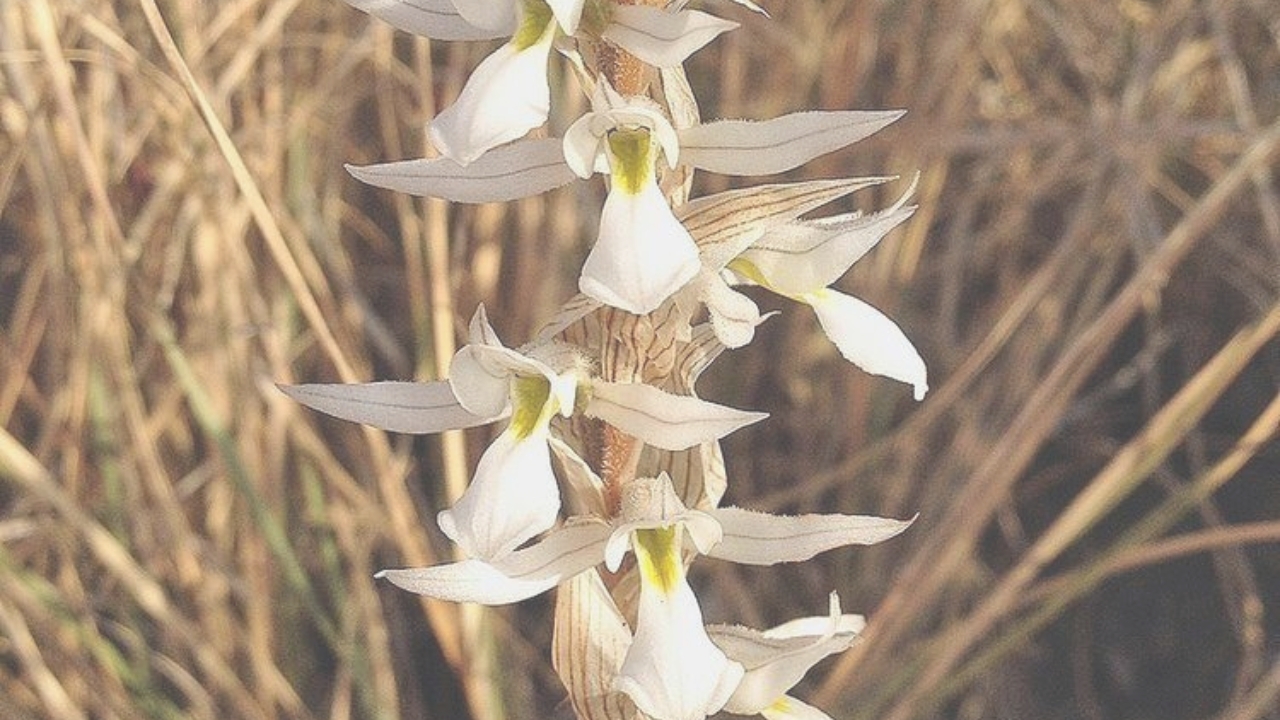
Kreodanthus is a fascinating orchid genus admired for its unusual growth habits, delicate flowers, and natural elegance. While it is not as commonly cultivated as Phalaenopsis or Cattleya orchids, Kreodanthus attracts collectors who appreciate rare species and enjoy recreating tropical forest environments at home. Native to humid regions of Central and South America, these orchids typically grow as epiphytes, attaching themselves to tree trunks and branches where they receive filtered sunlight, constant airflow, and regular moisture.
Successfully growing Kreodanthus requires understanding its natural habitat. Unlike orchids that thrive under bright conditions, this genus generally prefers cooler temperatures, moderate humidity, and gentle light. With proper care, healthy plants develop attractive foliage and produce graceful blooms that reward patient growers. Whether you are adding your first rare orchid to your collection or expanding an established greenhouse, learning the specific needs of Kreodanthus will help ensure long-term success.
Understanding the Natural Habitat of Kreodanthus
In the wild, Kreodanthus orchids inhabit cloud forests and tropical mountain regions where rainfall is frequent throughout much of the year. They typically grow on moss-covered branches beneath dense forest canopies that protect them from harsh direct sunlight. These forests experience steady humidity, gentle air movement, and relatively stable temperatures, creating ideal conditions for orchid growth.
Replicating these environmental factors is the foundation of successful cultivation. Instead of focusing only on watering or fertilizing, aim to create a balanced growing environment that mimics the cool, moist forests where these orchids naturally flourish.
Choosing the Right Growing Medium
Kreodanthus prefers a well-drained growing medium that allows roots to breathe while retaining enough moisture between waterings. Traditional garden soil should never be used because it holds excessive moisture and restricts oxygen flow around the roots.
A quality orchid mix made from fine bark, sphagnum moss, perlite, charcoal, and small pieces of tree fern fiber works exceptionally well. Growers in dry climates may include additional sphagnum moss to improve moisture retention, while those living in humid regions should increase bark content for improved drainage.
Mounted cultivation is another excellent option. Attaching plants to cork bark, hardwood slabs, or tree fern mounts closely imitates their natural growing conditions. Mounted orchids generally require more frequent watering but reward growers with healthier roots and excellent airflow.
Light Requirements
Providing proper light is one of the most important aspects of Kreodanthus care. These orchids naturally receive filtered sunlight through forest canopies, making bright indirect light ideal for cultivation.
East-facing windows often provide suitable morning sunlight without excessive heat. South or west-facing windows should be filtered using sheer curtains to prevent leaf damage during the hottest parts of the day.
Leaves offer valuable clues about lighting conditions. Healthy foliage usually appears medium green. Dark green leaves often indicate insufficient light, while yellowing or scorched leaves suggest excessive sun exposure.
Artificial LED grow lights can successfully support indoor cultivation, especially during winter months or in rooms with limited natural light. Position lights far enough above the plant to avoid overheating while maintaining consistent daily illumination.
Temperature and Humidity
Kreodanthus generally performs best under intermediate to cool temperatures similar to those found in mountain forests.
Daytime temperatures between 65°F and 75°F are usually ideal, while nighttime temperatures between 55°F and 65°F encourage healthy growth and may promote flowering. Mild nighttime cooling helps simulate natural seasonal conditions experienced in the wild.
Humidity should remain between 60 and 80 percent whenever possible. If indoor air becomes too dry, increase humidity using pebble trays, room humidifiers, or by grouping orchids together to create a naturally humid microclimate.
Although humidity is essential, proper ventilation is equally important. Gentle air circulation helps reduce fungal diseases, discourages bacterial infections, and keeps foliage healthy. A small circulating fan operating on a low setting works well without drying the plants excessively.
Watering Techniques
Consistent watering is essential, but overwatering remains one of the most common causes of orchid decline.
Water thoroughly whenever the growing medium approaches dryness but before it becomes completely dry. The exact frequency depends on temperature, humidity, pot size, and growing medium.
Mounted plants may require watering several times each week during warm weather, while potted plants often need water once every five to seven days under moderate indoor conditions.
Use room-temperature rainwater, distilled water, or low-mineral filtered water whenever available. Hard tap water containing excessive dissolved salts may gradually damage delicate roots over time.
Always allow excess water to drain completely after watering. Standing water around roots encourages rot and reduces oxygen availability.
Fertilizing for Healthy Growth
Kreodanthus benefits from regular but gentle fertilization during active growth. A balanced orchid fertilizer diluted to one-quarter or one-half the recommended strength usually provides sufficient nutrients.
Apply fertilizer every two to four weeks during spring and summer when new roots and leaves are actively developing. During slower winter growth, reduce feeding frequency to avoid unnecessary salt buildup.
Flushing the growing medium with plain water once each month removes accumulated fertilizer salts and helps maintain healthy root systems.
Organic fertilizers such as seaweed extract or fish emulsion may also be used occasionally, provided they are applied in dilute concentrations and do not leave excessive residue within the potting mix.
Repotting Kreodanthus
Repotting is typically needed every two to three years or whenever the growing medium begins decomposing. Fresh orchid media improves drainage, airflow, and root health.
The best time to repot is when new root growth begins. Carefully remove the orchid from its container, trim away dead or damaged roots using sterilized scissors, and place the plant into fresh orchid mix without burying the crown.
Choose a pot that fits the root system comfortably rather than selecting an oversized container. Slightly snug pots often encourage stronger root development while reducing the risk of excessive moisture retention.
Following repotting, water lightly for several days until damaged roots begin healing, then gradually resume the normal watering schedule.
Propagation Methods
Propagation of Kreodanthus is generally accomplished through division of mature plants. This method is safest and produces genetically identical offspring.
During repotting, carefully separate large, healthy clumps so that each division retains multiple healthy roots and several active growth points. Smaller divisions recover more slowly and may require additional time before flowering.
After division, place each new plant into fresh orchid media and maintain slightly higher humidity while avoiding excessive watering. Bright indirect light and stable temperatures help newly divided plants establish quickly.
Propagation from seed is possible but requires sterile laboratory conditions and specialized fungal relationships during early development. Consequently, seed propagation is usually reserved for professional orchid breeders and research facilities.
Encouraging Blooming
Flowering depends largely on providing consistent care throughout the year rather than making sudden changes shortly before the blooming season.
Adequate filtered light, healthy root systems, balanced nutrition, and slight nighttime cooling all contribute to successful flower production.
Avoid moving the plant excessively once flower spikes begin forming, as environmental changes may interrupt bud development.
Patience is important because rare orchid species often bloom according to their own seasonal rhythms rather than on a predictable annual schedule.
Common Problems and Solutions
Healthy Kreodanthus orchids rarely experience serious problems when grown under appropriate conditions, but occasional issues may arise.
Yellow leaves often indicate excessive sunlight or overwatering. Adjust lighting and allow the growing medium to dry slightly between waterings.
Wrinkled leaves frequently suggest dehydration caused by underwatering or damaged roots that cannot absorb moisture effectively.
Black or mushy roots usually result from poor drainage and prolonged wet conditions. Remove affected roots immediately and repot into fresh, well-drained orchid mix.
Pests such as mealybugs, spider mites, aphids, and scale insects occasionally appear, particularly on indoor plants. Regular inspections allow early treatment using insecticidal soap or horticultural oil before infestations become severe.
Fungal diseases are minimized through proper airflow, clean growing conditions, and careful watering that avoids leaving standing moisture on leaves overnight.
Seasonal Care
During spring and summer, growth is generally more active. Increase watering and fertilization while monitoring for new roots and leaves.
Autumn often brings slightly slower growth. Continue regular care while gradually reducing fertilizer applications if growth declines.
Winter care should focus on maintaining stable temperatures, moderate humidity, and careful watering. Plants usually require less moisture during cooler months, making it important to avoid overly wet growing media.
Throughout the year, observe your orchid closely. Small adjustments based on seasonal changes are more effective than following a rigid care schedule.
Long-Term Care Tips
Successful long-term cultivation depends on consistency rather than perfection. Stable environmental conditions encourage stronger root systems and healthier foliage over many years.
Clean pots, sterilized tools, fresh growing media, and regular plant inspections reduce the risk of disease while promoting vigorous growth. Recording watering dates, fertilizer applications, and flowering times can also help refine your care routine.
Most importantly, allow the plant to adapt naturally. Rare orchids often grow slowly, and steady improvement is preferable to rapid changes in culture.
Conclusion
Kreodanthus is a remarkable orchid genus that rewards attentive growers with elegant foliage and distinctive flowers inspired by its tropical forest origins. Although considered somewhat uncommon in cultivation, its care requirements are straightforward when its natural environment is carefully replicated. Bright filtered light, excellent drainage, moderate temperatures, high humidity, and gentle but consistent care create the conditions these orchids need to thrive.
By understanding its growth habits, maintaining healthy roots, and providing stable year-round conditions, growers can enjoy the beauty of Kreodanthus for many years. With patience and observation, this unique orchid becomes a fascinating and rewarding addition to any orchid collection.
