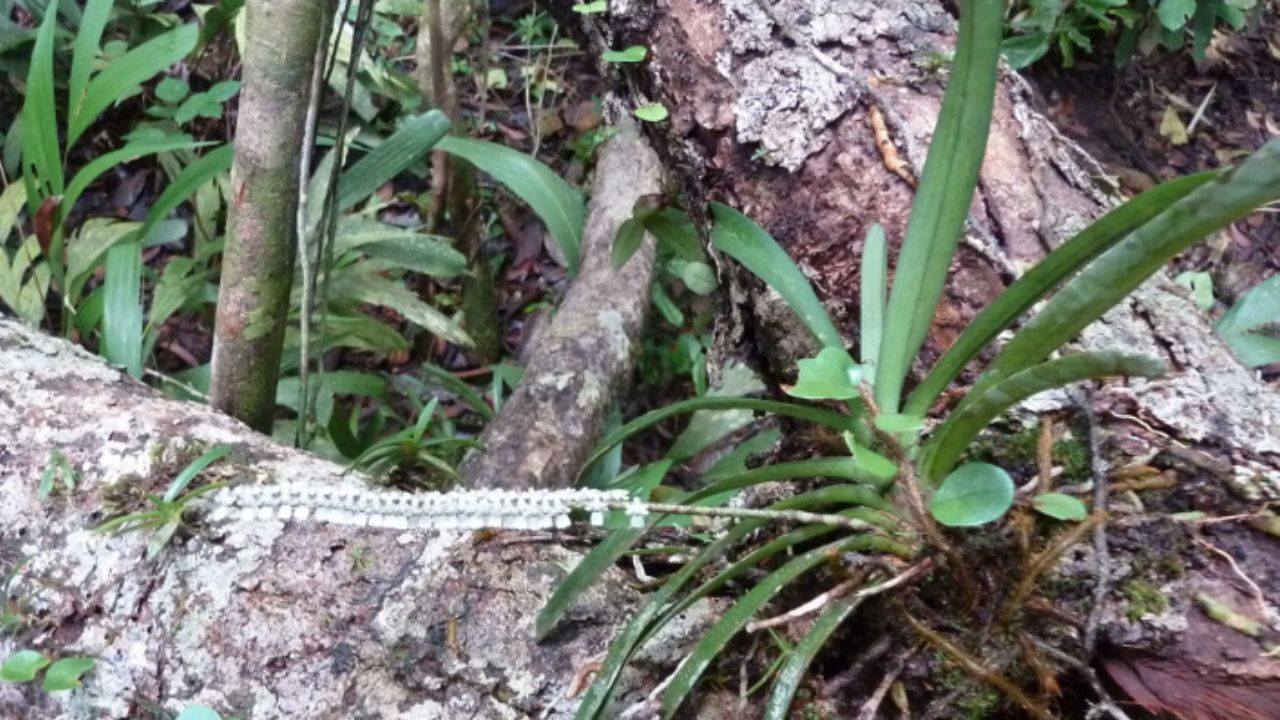
Listrostachys is a fascinating orchid genus valued by collectors for its unusual growth habit, attractive flowers, and interesting botanical characteristics. Although it may not be as commonly grown as popular household orchids, Listrostachys can be cultivated successfully when its natural growing conditions are understood and reproduced as closely as possible.
The key to growing Listrostachys is maintaining a balance between moisture, air movement, humidity, light, and root health. Rather than treating it like a typical soil-grown houseplant, growers should provide a loose, well-aerated growing environment that allows the roots to breathe. With consistent care and patience, a healthy plant can establish itself and eventually produce attractive flowering growth.
Choosing the Right Growing Environment
The first step in growing Listrostachys is selecting a suitable location. These orchids generally perform best in a warm, humid environment with good air circulation. A bright indoor area, greenhouse, shaded balcony, or protected outdoor space can work well as long as the plant is protected from harsh environmental conditions.
Avoid placing the plant directly beside a heater, air conditioner, or in an area exposed to strong drafts. Sudden changes in temperature can stress the plant and interfere with healthy growth. Good ventilation is particularly important because stagnant, humid air can encourage fungal and bacterial problems.
A location that provides gentle air movement throughout the day is ideal. If growing indoors, a small fan can improve circulation, provided it does not blow excessively strong air directly onto the plant.
Providing the Correct Light
Light plays an important role in maintaining healthy Listrostachys growth. The plant needs sufficient brightness for photosynthesis, but excessive direct sunlight can scorch leaves and dry the growing medium too quickly.
Bright, filtered light is generally a good starting point. An east-facing window can provide gentle morning sunlight, while a bright south- or west-facing window may require a sheer curtain to reduce intense afternoon exposure.
Healthy foliage should appear firm and naturally green. If growth becomes weak, elongated, or unusually dark green, the plant may not be receiving enough light. On the other hand, bleached, yellowing, or scorched areas can indicate excessive exposure.
Adjust the plant gradually when changing its light conditions. Sudden movement from shade into strong sunlight can cause leaf damage even when the final location would otherwise be suitable.
Selecting Soil and Potting Materials
Listrostachys should not normally be planted in dense garden soil because compact soil can hold excessive water around the roots and reduce airflow. Orchids need a growing medium that drains rapidly while retaining enough moisture to prevent the roots from becoming completely dry.
A loose orchid-style mixture containing materials such as fine bark, sphagnum moss, perlite, or other coarse organic components can provide a suitable environment. The exact mixture can be adjusted according to the growing conditions. In a humid environment, a more open and airy mix is often preferable, while a drier indoor environment may benefit from slightly greater moisture retention.
Choose a container with adequate drainage holes. Decorative pots without drainage should not be used as the primary growing container unless the orchid is placed inside a properly draining inner pot.
Watering Listrostachys Correctly
Watering is one of the most important aspects of Listrostachys care. The objective is to provide adequate moisture without keeping the roots continuously saturated.
Instead of following a rigid watering schedule, check the condition of the growing medium before watering. If the medium has begun to dry and the roots or plant show signs that moisture is needed, water thoroughly and allow excess water to drain away.
During warm or dry periods, the plant may require more frequent watering. Cooler conditions or higher humidity can reduce its water requirements. Avoid leaving the container sitting in standing water because constantly saturated roots can deteriorate quickly.
Using clean water is beneficial, particularly when the plant is grown in a container for an extended period. If tap water contains a high concentration of salts, occasional flushing of the growing medium can help reduce accumulated mineral residues.
Maintaining Suitable Humidity
Humidity can have a significant effect on Listrostachys growth. These orchids generally appreciate moderate to high humidity, especially when temperatures are warm and the plant is actively growing.
Indoor growers can increase humidity by grouping plants together or using a humidifier. A humidity tray may provide some localized moisture, although the base of the orchid pot should remain above standing water.
Humidity should always be balanced with ventilation. High humidity without sufficient air movement creates an environment where fungal problems can develop more easily. Good circulation allows moisture to evaporate gradually from leaves and surrounding surfaces while still maintaining a humid atmosphere.
Feeding and Fertilizing Listrostachys
Listrostachys benefits from regular but controlled feeding during periods of active growth. A balanced orchid fertilizer diluted according to its instructions can be used as part of a consistent feeding routine.
It is generally safer to provide a weak fertilizer solution regularly than to apply a highly concentrated dose. Excess fertilizer can accumulate in the growing medium and damage sensitive roots.
Fertilizing should be reduced or paused when the plant is not actively growing, depending on its seasonal growth pattern and growing conditions. Always water appropriately and avoid allowing concentrated fertilizer to remain on the foliage for extended periods.
Occasional watering with plain water can also help flush accumulated fertilizer salts from the potting medium.
Temperature and Seasonal Care
Warm and stable temperatures are generally helpful for Listrostachys. Protect the plant from prolonged exposure to extreme heat, cold temperatures, and sudden temperature changes.
During very hot weather, increase ventilation and monitor the growing medium more frequently because moisture can disappear quickly. During cooler periods, reduce watering if the medium remains wet for longer than usual.
Seasonal changes also affect light intensity and humidity. A plant that receives ideal light during one part of the year may require slight adjustment during another. Observing the plant regularly is more reliable than following a fixed routine throughout the year.
Repotting Listrostachys
Repotting should be carried out when the growing medium begins to break down, drainage becomes poor, the container becomes unsuitable, or the roots have outgrown the available space. Repotting too frequently can disturb developing roots unnecessarily.
When repotting, carefully remove the old medium and inspect the roots. Healthy roots should be firm, while damaged or decaying portions can be removed with a clean, sterilized cutting tool.
Select a container that is only slightly larger than the existing root system. An excessively large pot can retain moisture for too long and make watering more difficult to manage.
After repotting, provide moderate light and avoid excessive watering while the plant settles into its new environment. Once new root or leaf growth appears, normal care can gradually resume.
Propagating Listrostachys
Propagation depends on the particular Listrostachys species and its growth characteristics. Orchids can be considerably more difficult to propagate than ordinary houseplants, so patience is important.
Where a mature plant produces suitable divisions or multiple established growths, propagation through division may be possible. Each division should contain enough healthy roots and growth to support independent development.
Seeds are another method of orchid propagation, but growing orchids from seed is considerably more demanding. Orchid seeds are extremely small and typically require specialized conditions to germinate and develop successfully. For home growers, division of an established plant is generally more practical when suitable growth is available.
Never divide a weak or unhealthy plant simply for propagation. Allow the parent plant to become well established before attempting to produce new plants.
Common Problems When Growing Listrostachys
Several problems can occur when Listrostachys is grown under unsuitable conditions. Yellowing leaves may result from excessive moisture, poor root health, nutrient problems, or environmental stress. Weak growth can be associated with insufficient light, poor nutrition, or unsuitable temperatures.
Root rot is particularly concerning when the growing medium stays wet for too long. Improving drainage, increasing air circulation, and adjusting watering frequency can help prevent this problem.
Brown or damaged leaf areas may occur because of excessive sunlight, dry conditions, fertilizer buildup, or physical damage. Instead of immediately changing several care factors at once, examine the growing environment and make gradual adjustments.
Pests such as scale insects, mealybugs, aphids, or mites may occasionally appear. Regularly inspecting the leaves, stems, and growing medium makes it easier to identify problems before they become severe.
Creating a Long-Term Care Routine
Successful Listrostachys cultivation is mostly about consistency. Check the plant regularly rather than watering or feeding automatically. Observe the roots, foliage, growing medium, and new growth to understand what the plant needs.
Keep the growing area clean, provide adequate ventilation, and remove damaged plant material when appropriate. Avoid constantly moving the orchid from one location to another because stable environmental conditions usually make care easier.
A simple routine can include checking moisture several times each week, inspecting for pests, monitoring light exposure, and adjusting watering according to temperature and humidity. Fertilize during active growth and repot only when necessary.
Final Thoughts on Growing Listrostachys
Growing Listrostachys at home can be a rewarding experience for orchid enthusiasts who enjoy cultivating less common plants. The most important factors are bright filtered light, an airy growing medium, careful watering, suitable humidity, good ventilation, and moderate feeding.
Rather than trying to force rapid growth, give the plant time to establish a healthy root system and adapt to its environment. Small adjustments based on the plant’s actual condition are usually more effective than following a rigid care schedule. With attentive maintenance and suitable growing conditions, Listrostachys can become a distinctive and rewarding addition to an orchid collection.
