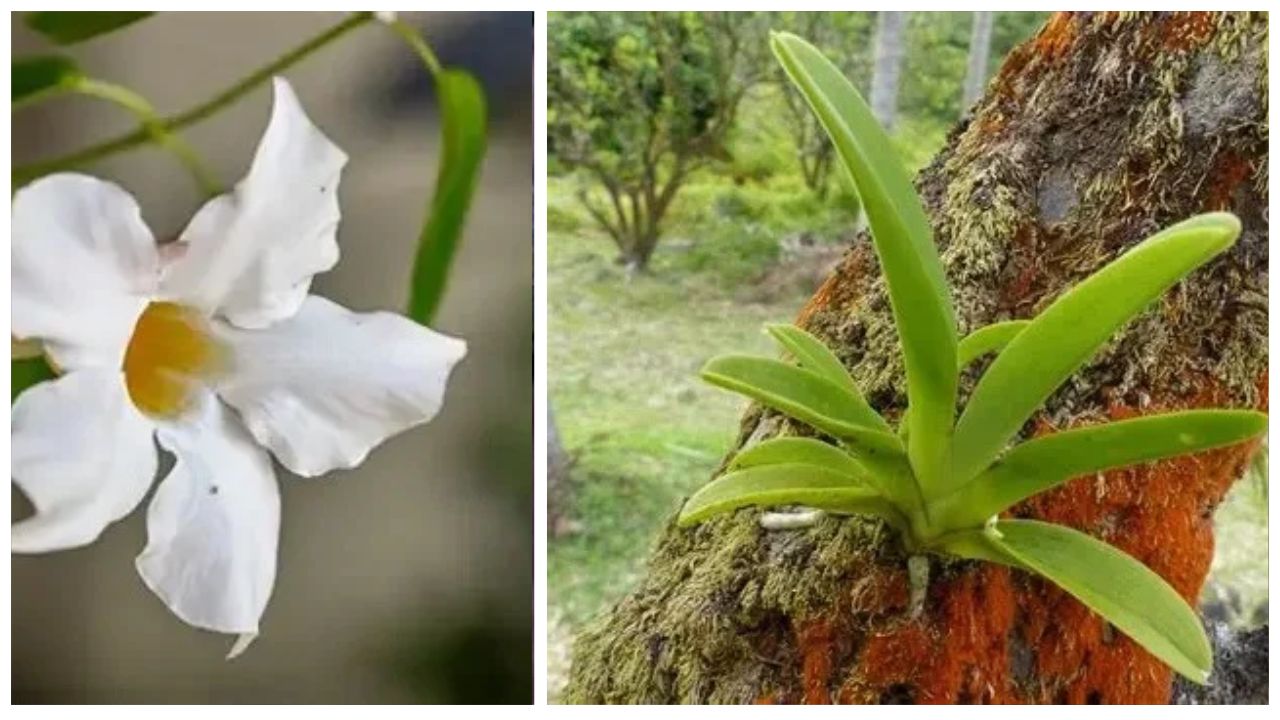
Beclardia is a distinctive orchid genus appreciated by plant enthusiasts for its unusual appearance and interesting growth habit. Like many orchids, it can seem demanding at first, but once its basic environmental needs are understood, it becomes much easier to maintain. Successful cultivation depends on providing the right balance of light, moisture, airflow, temperature, and a suitable growing medium.
Before planting Beclardia, it is important to understand that orchids generally prefer conditions that imitate their natural habitat rather than the constantly wet conditions that many ordinary houseplants tolerate. A healthy plant should have access to moisture while also being able to dry slightly between waterings. Good air circulation and an airy growing medium are equally important for preventing root problems.
Choosing the Right Location for Beclardia
The location you choose can have a major effect on the long-term health of Beclardia. A bright indoor space near a window can work well, provided the plant is protected from intense direct sunlight during the hottest part of the day. Filtered or diffused light is generally safer than harsh afternoon sun.
If you are growing the plant outdoors, choose a sheltered position with bright shade or gentle morning sunlight. Avoid exposed areas where strong winds, heavy rain, or intense afternoon heat can stress the plant. A position beneath light shade from taller plants can provide a more suitable environment.
Good air movement is particularly valuable. The surrounding air should not remain completely stagnant, but the plant should also be protected from strong continuous drafts. A balanced environment helps foliage remain healthy and reduces the chance of fungal problems.
Selecting a Suitable Growing Medium
A well-draining growing medium is essential for Beclardia. Orchid roots need access to both moisture and air, so dense garden soil is generally unsuitable. A loose mixture containing materials such as fine or medium orchid bark, sphagnum moss, perlite, or other coarse organic components can provide better drainage and aeration.
The exact mixture can be adjusted according to your growing environment. In a humid location, a more open and fast-draining medium may be preferable. In a dry indoor environment, a small amount of moisture-retentive material can help prevent the roots from drying too quickly.
The container should always have adequate drainage holes. Excess water should be able to escape quickly instead of collecting around the roots. Repotting should also be considered when the growing medium begins to break down, because decomposed material can become compacted and restrict airflow.
Planting Beclardia Correctly
When planting Beclardia, handle the roots carefully because orchid roots can be sensitive to rough treatment. Begin by choosing a clean container that is only slightly larger than the existing root system. An oversized pot can hold excessive moisture for too long.
Place a layer of the prepared growing medium into the container and position the plant so that its growth remains stable without burying important stems or growth points too deeply. Gently add the remaining medium around the roots without pressing it down excessively.
The objective is to create a stable plant while maintaining plenty of air spaces within the medium. After planting, water lightly if the roots and medium are dry, then allow excess water to drain completely.
Providing the Right Amount of Light
Light is one of the most important factors in successful Beclardia cultivation. Insufficient light can lead to weak growth, while excessive direct sunlight may cause leaf damage.
Bright, indirect light is usually a useful starting point. Morning sunlight can be beneficial in many situations, while strong afternoon exposure may need to be filtered through a curtain or shade cloth. Observe the plant regularly rather than relying only on a fixed schedule.
Leaves that appear pale, bleached, or scorched may indicate excessive light. Very dark green foliage combined with weak or slow growth can sometimes indicate that the plant is receiving insufficient light. Adjust its position gradually to avoid sudden environmental changes.
Watering Beclardia Properly
Watering should be based on the condition of the growing medium rather than a strict calendar. Before watering, check whether the upper portion of the medium has begun to dry. If it still feels excessively wet, wait longer.
When watering is necessary, thoroughly moisten the growing medium and allow excess water to drain from the container. Avoid leaving the pot sitting in a tray of standing water. Consistently waterlogged roots can lose access to oxygen and become vulnerable to decay.
The frequency of watering can change throughout the year. Warm, bright conditions may cause the medium to dry more quickly, while cooler or darker periods usually require less frequent watering. Humidity also influences how quickly moisture disappears.
Maintaining Suitable Humidity and Airflow
Beclardia can benefit from moderate to high humidity, particularly when grown indoors in a dry environment. However, high humidity without adequate airflow can create conditions that encourage fungal and bacterial problems.
A humidifier can be useful when indoor air is particularly dry. Another option is grouping plants together to create a slightly more humid microclimate, although sufficient spacing should still be maintained for air circulation.
Avoid constantly keeping leaves wet. If water collects around the foliage or growing points, gently remove excess moisture when practical. Good airflow around the plant is one of the simplest ways to create a healthier growing environment.
Temperature and Seasonal Care
Stable temperatures are generally preferable to sudden environmental changes. Beclardia should be protected from extreme heat, freezing conditions, and abrupt temperature fluctuations. The ideal range can vary according to the particular species and growing conditions, so observing the plant’s response is important.
During very hot weather, provide additional shade and monitor the growing medium more frequently. During cooler periods, reduce watering if the plant is using moisture more slowly. Never compensate for low temperatures by keeping the medium constantly wet.
Seasonal changes in light, humidity, and growth rate should naturally influence your care routine. A flexible approach is usually more successful than maintaining exactly the same watering and feeding schedule throughout the year.
Fertilizing Beclardia for Healthy Growth
Beclardia can benefit from regular but controlled feeding during active growth. A balanced orchid fertilizer used according to its label directions can provide nutrients needed for healthy roots, foliage, and new growth.
Avoid applying excessive fertilizer because accumulated salts can damage sensitive roots. Fertilizing a plant that is already severely dehydrated or stressed should also be avoided. Watering the plant appropriately before feeding can help reduce the risk of concentrated fertilizer coming into direct contact with dry roots.
During periods of slower growth, feeding can be reduced. The goal is steady development rather than forcing rapid growth through heavy fertilization.
Propagating Beclardia
Propagation of orchids can require patience, and the appropriate method depends on the particular Beclardia species. Where a mature plant naturally produces suitable divisions or offsets, propagation may sometimes be possible by carefully separating healthy sections.
Each division should have sufficient roots and healthy growth to establish independently. Use clean tools when dividing plants to reduce the possibility of transferring infections. Newly divided sections should receive gentle care while they establish.
Seed propagation is considerably more complicated because orchid seeds are extremely small and typically require specialized conditions for successful germination and development. For home growers, vegetative propagation from suitable mature plant material is generally more practical when available.
Repotting Beclardia When Necessary
Repotting is useful when the growing medium has decomposed, drainage has become poor, roots have outgrown the container, or the plant has become unstable. It is usually better to repot when the plant is actively growing and able to recover from the disturbance.
Remove the plant carefully and inspect the roots. Healthy roots should be retained, while clearly dead or severely damaged material can be removed using a clean cutting tool. Avoid unnecessary root disturbance.
After repotting, provide suitable humidity, gentle light, and good airflow. Do not immediately compensate for root disturbance with excessive watering. Allow the plant time to settle into its new growing medium.
Common Problems When Growing Beclardia
Yellowing leaves, soft roots, slow growth, and leaf damage can result from several different causes. Overwatering is a common concern when an orchid is planted in a dense medium or kept in a poorly draining container. On the other hand, prolonged dryness can cause wilting, shriveled roots, and weakened growth.
Brown or bleached patches on leaves may indicate excessive sunlight or environmental stress. Poor airflow and excessive moisture can increase the risk of fungal or bacterial problems. Pests such as scale insects, mealybugs, and aphids may also occasionally affect orchids.
Inspect the plant regularly, especially around new growth and the undersides of leaves. Early detection makes most problems easier to manage. Correcting the underlying environmental issue is often more important than simply treating the visible symptom.
Creating a Simple Beclardia Care Routine
A consistent routine makes growing Beclardia much easier. Check the growing medium regularly, observe the foliage, and adjust watering according to temperature and humidity. Inspect the roots and container occasionally to ensure drainage remains effective.
Keep the plant in suitable filtered light, maintain reasonable humidity with good airflow, and fertilize carefully during active growth. Remove damaged plant material when necessary and keep the growing area clean.
Most importantly, avoid making several major changes at once. If the plant shows signs of stress, evaluate light, watering, drainage, temperature, and airflow individually. Small adjustments can often produce better results than drastic changes.
Final Tips for Growing Beclardia Successfully
Growing Beclardia at home is mainly about creating a stable environment that balances moisture with excellent drainage and airflow. Bright filtered light, an airy growing medium, careful watering, suitable humidity, and protection from environmental extremes can provide a strong foundation for healthy growth.
Patience is especially important with orchids. Beclardia may not respond immediately to changes in care, and growth can vary according to the season and growing conditions. By observing the plant closely and adjusting your routine according to its actual needs, you can create an environment where it has a much better opportunity to remain healthy and develop successfully over time.
