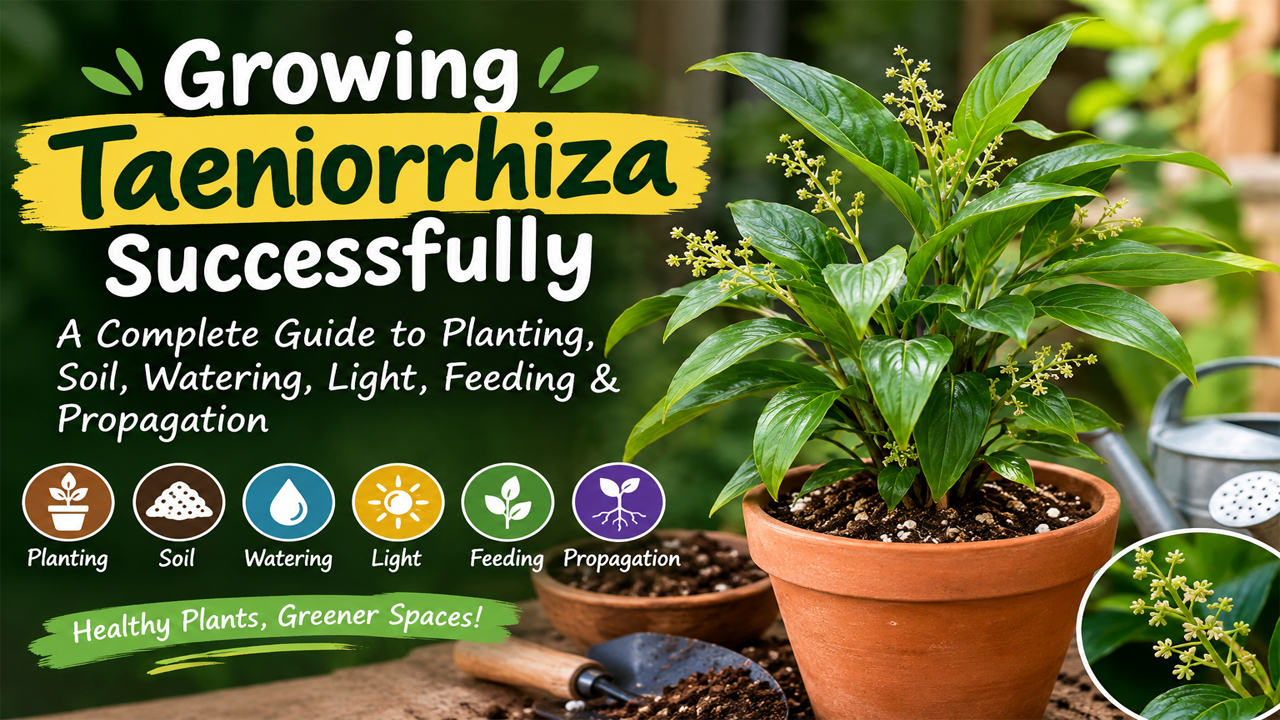
Taeniorrhiza is an interesting and relatively uncommon plant that can appeal to gardeners who enjoy growing unusual species. Like many specialty plants, it performs best when its natural growing conditions are considered rather than treated like an ordinary houseplant. Providing the right balance of moisture, air movement, light, and a suitable growing medium can make a significant difference in its overall health.
Before planting Taeniorrhiza, it is useful to understand that unusual plants often respond poorly to extreme conditions. Constantly wet roots, compact soil, intense heat, or sudden environmental changes can cause stress. A stable growing environment with good drainage and careful watering is usually a better approach.
Choosing the Right Planting Location
The first step toward successfully growing Taeniorrhiza is selecting an appropriate location. The plant should receive bright, filtered light rather than being exposed to harsh direct sunlight for long periods. A spot with gentle morning light and protection from strong afternoon sun can work well.
Indoor growers can place the plant near a bright window where it receives plenty of indirect light. If natural light is limited, supplemental grow lighting can also be useful. Outdoor plants should be positioned where they receive adequate brightness while being protected from excessive heat and drying winds.
Good air circulation is equally important. Air should move naturally around the plant without creating strong, drying drafts. Proper ventilation helps the growing medium dry at an appropriate rate and reduces the conditions that encourage fungal problems.
Preparing the Ideal Soil
Taeniorrhiza benefits from a growing medium that provides both moisture retention and excellent drainage. Heavy garden soil can hold too much water around the roots and may become compacted over time. Instead, use a loose, porous mixture that allows excess water to drain quickly.
A suitable mix can contain quality potting material combined with ingredients that improve aeration and drainage. Organic material can provide nutrients and moisture retention, while coarse components help prevent the mixture from becoming dense.
The most important quality is balance. The soil should not dry out immediately after watering, but it should also never remain saturated for long periods. Before planting, always make sure the container has adequate drainage holes.
How to Plant Taeniorrhiza
When planting Taeniorrhiza in a container, choose a pot that provides enough room for the roots without being excessively large. A very large container can hold unnecessary moisture for a long time, particularly when the plant is small.
Place a layer of suitable growing medium into the container and position the plant at approximately the same depth at which it was previously growing. Avoid burying the stem or crown deeper than necessary. Fill around the roots gently without pressing the soil too firmly.
After planting, water lightly and allow excess water to drain away. Give the plant some time to settle before making major changes to its growing conditions.
Watering Taeniorrhiza Properly
Watering is one of the most important parts of Taeniorrhiza care. The goal is to provide sufficient moisture without creating permanently wet conditions around the roots.
Rather than following a strict calendar, check the growing medium regularly. If the upper portion has started to dry, it may be time to water again. When watering, apply enough water to moisten the growing medium evenly and allow excess water to escape through the drainage holes.
Reduce watering when temperatures are cooler or when the plant’s growth naturally slows. During periods of warm and active growth, the plant may require water more frequently. Environmental conditions such as humidity, airflow, container size, and soil composition can all affect how quickly the medium dries.
Providing the Right Amount of Light
Light strongly influences the plant’s growth and appearance. Taeniorrhiza should receive bright but appropriately filtered light. Insufficient light may result in weak growth, while excessive direct sunlight can cause stress or damage delicate foliage.
If growing indoors, an east-facing window can provide gentle morning sunlight, while a bright location near a window with filtered light can also be suitable. Watch the plant’s response rather than relying only on a fixed lighting schedule.
If leaves begin showing signs of excessive exposure, move the plant slightly farther from the strongest sunlight. If growth becomes weak or unusually stretched, brighter conditions may be needed.
Feeding Taeniorrhiza for Healthy Growth
Taeniorrhiza generally benefits from nutrients during periods of active growth. A balanced fertilizer used at an appropriate dilution can provide the nutrients needed to support healthy foliage and root development.
Avoid applying concentrated fertilizer to dry soil because it can place unnecessary stress on the roots. Watering the plant appropriately before feeding can help reduce this risk.
Fertilization should also be reduced or paused when the plant is not actively growing. Excessive feeding does not necessarily produce healthier growth and can lead to nutrient buildup in the growing medium.
Maintaining Humidity and Airflow
Humidity can be important when growing plants that naturally prefer moist environments. However, high humidity without adequate airflow can create problems. The ideal environment combines reasonable moisture in the air with good ventilation.
If indoor air is particularly dry, a humidifier can help create a more stable environment. Grouping compatible plants together may also slightly increase local humidity. Avoid keeping the plant in a completely stagnant corner.
Good airflow helps leaves dry naturally after watering and reduces the likelihood of fungal issues. A gentle fan can be useful indoors, provided it does not blow strongly and continuously directly onto the plant.
Pruning and General Maintenance
Regular inspection makes Taeniorrhiza care easier. Remove damaged or dead plant material with clean tools when necessary. Keeping the plant tidy also makes it easier to notice pests, discoloration, or other signs of stress.
Avoid unnecessary pruning when the plant is actively establishing itself. Young or recently transplanted plants generally benefit more from stable conditions than from frequent trimming.
Check the leaves and growing medium regularly. Early attention to problems is usually much easier than trying to revive a severely stressed plant later.
Propagating Taeniorrhiza
Propagation can be one of the most rewarding parts of growing an unusual plant. Depending on the particular Taeniorrhiza species and available plant material, propagation may involve seeds or vegetative methods.
Seed propagation requires patience and suitable moisture, warmth, and growing conditions. Seeds should be placed in an appropriate medium and kept consistently moist without becoming waterlogged. Once seedlings emerge, provide gentle light and good airflow.
If a suitable vegetative propagation method is available for the species, healthy plant material can sometimes be used to produce new plants. Clean tools and a sterile growing medium are important because young propagating material can be particularly vulnerable to rot and infection.
Common Growing Problems
Several problems can occur when Taeniorrhiza is grown under unsuitable conditions. Yellowing leaves may develop when the roots remain excessively wet, although other environmental or nutritional factors can also cause discoloration.
Slow growth may be linked to insufficient light, unsuitable temperatures, poor nutrition, or root problems. Brown or damaged foliage can result from excessive sunlight, dry conditions, or inconsistent watering.
When a problem appears, avoid changing several conditions at once. Examine the plant’s light, watering routine, soil drainage, humidity, and general environment before making gradual adjustments.
Repotting Taeniorrhiza
Repotting should be done when the plant has outgrown its existing container or when the growing medium has deteriorated. Choose a container only moderately larger than the current one and use fresh, well-draining material.
Handle the roots carefully during the process. After repotting, give the plant suitable moisture and keep it in a stable location while it adjusts. Avoid heavy feeding immediately after repotting because the fresh growing medium may already contain nutrients.
Seasonal Taeniorrhiza Care
Care requirements can change throughout the year. During warm, active growth, Taeniorrhiza may need more frequent monitoring of moisture and light. In cooler periods, growth can slow and watering may need to be reduced.
Seasonal changes in indoor temperature, humidity, and sunlight can also affect the plant. Paying attention to these changes rather than following the same routine throughout the year can help prevent overwatering and environmental stress.
Conclusion
Growing Taeniorrhiza successfully is mainly about creating a stable environment that balances moisture, drainage, light, nutrition, and airflow. A loose growing medium, careful watering, bright filtered light, moderate feeding, and regular observation can provide a strong foundation for healthy growth.
Because Taeniorrhiza is an unusual plant, patience is especially valuable. Instead of forcing rapid growth, focus on consistent care and respond to the plant’s changing needs. With the right conditions and a little attention, growing Taeniorrhiza can become a rewarding experience for gardeners interested in adding something distinctive to their collection.
