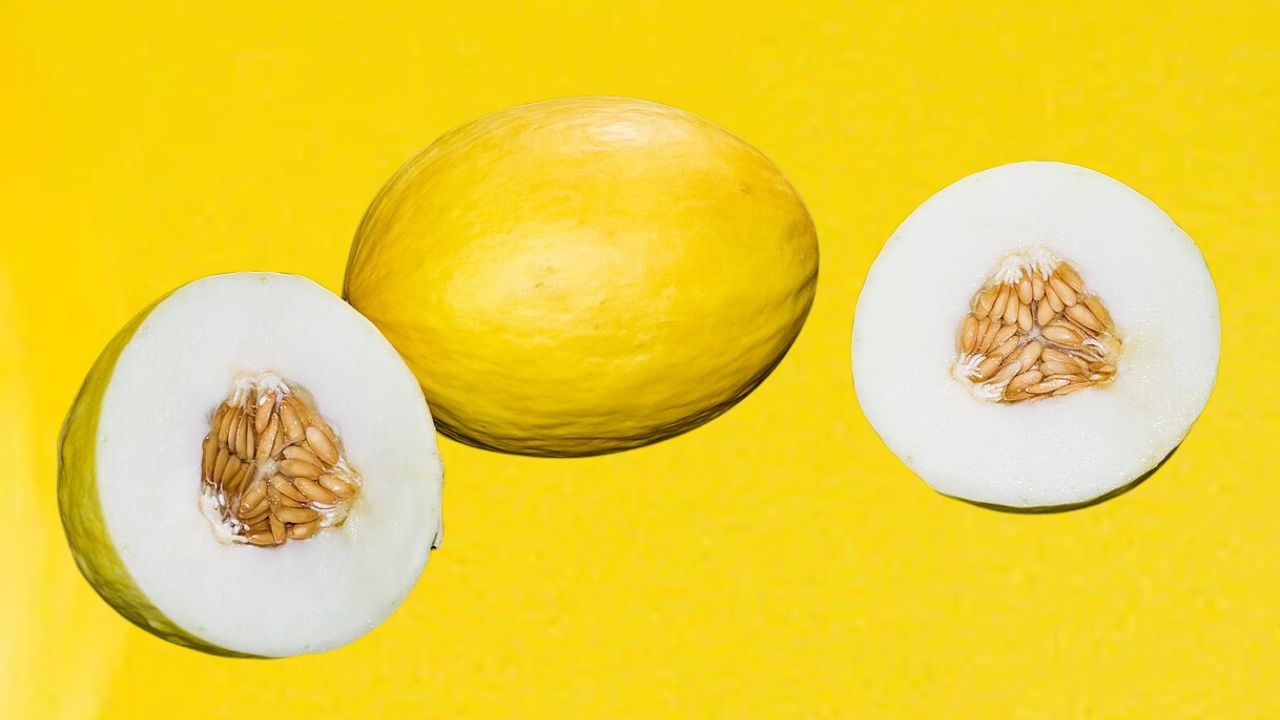
Canary melon is a warm-season fruiting plant known for its bright yellow skin, juicy flesh, mild sweetness, and refreshing flavor. It belongs to the melon family and grows as a vigorous trailing vine, making it an excellent choice for gardeners who have enough space for vines to spread or climb. With the right combination of warmth, sunlight, fertile soil, regular watering, and good air circulation, Canary melon can be successfully grown at home.
One of the most important things to understand before planting is that Canary melon needs a long, warm growing season. It performs best when temperatures remain consistently warm and the soil has had enough time to heat up. Cold soil can slow germination and root development, while frost can seriously damage young plants. Planning the planting date around your local climate is therefore one of the keys to a successful harvest.
Choosing the Right Location
Canary melon needs plenty of direct sunlight to produce strong vines and sweet, well-developed fruit. Choose a location that receives at least six to eight hours of direct sunlight each day. A sunny garden bed, raised bed, or large container placed in an open area can work well.
Good air circulation is also important because dense, poorly ventilated growth can encourage fungal problems. Avoid planting melons in a location where nearby trees, walls, or large plants block sunlight for much of the day.
Because the vines can become surprisingly large, allow plenty of room for them to spread. If garden space is limited, a strong trellis can provide a useful alternative, although developing fruits may need additional support.
Preparing the Soil for Canary Melon
Canary melon grows best in loose, fertile, well-draining soil. The roots need access to moisture, but standing water around the root zone can lead to poor growth and root problems. Before planting, loosen the soil thoroughly and remove large stones, weeds, and compacted material.
Adding well-rotted compost or other mature organic matter can improve soil structure and provide nutrients for vigorous growth. A soil pH that is slightly acidic to neutral is generally suitable for melons.
If the soil is heavy clay, improve drainage by incorporating organic matter and creating raised planting areas if necessary. Sandy soil may drain quickly, so adding compost can help it retain enough moisture for healthy growth.
Starting Canary Melon From Seeds
Canary melon is commonly grown from seed. In areas with a long, warm growing season, seeds can be planted directly outdoors after the danger of frost has passed and the soil has warmed.
In cooler climates, starting seeds indoors several weeks before outdoor planting can give the plants a useful head start. Sow the seeds in individual containers filled with a quality seed-starting mix. Keep the growing medium evenly moist and place the containers somewhere warm and bright.
Young seedlings should be handled gently because disturbing their roots too much can slow their establishment. Once the plants have developed several healthy leaves and outdoor conditions are consistently warm, they can gradually be acclimated to outdoor conditions before transplanting.
Planting Canary Melon Outdoors
When the soil is warm and frost is no longer a concern, Canary melon seedlings or seeds can be planted outdoors. If sowing directly, place the seeds into prepared soil and cover them lightly. Keep the planting area consistently moist during germination.
Give individual plants enough space for their vines to develop. Crowded plants compete for sunlight, water, and nutrients and may also experience reduced airflow. Proper spacing can make maintenance easier and lower the risk of disease.
For gardeners using containers, choose a large container with drainage holes. Melons develop substantial root systems, so small pots can quickly become restrictive. Use a rich, well-draining growing mix and provide a sturdy support system if you plan to train the vines upward.
Providing the Right Amount of Water
Consistent watering is essential during the growing season. Canary melon plants need adequate moisture while establishing roots, producing vines, flowering, and developing fruit.
Water deeply enough to moisten the root zone rather than giving the plants frequent, shallow sprinklings. The exact watering schedule depends on temperature, soil type, rainfall, and container size. During hot, dry weather, plants may require more frequent watering.
Try to keep moisture levels relatively consistent. Large swings between very dry and very wet conditions can stress the plant and may affect fruit quality. Watering at the base of the plant rather than repeatedly wetting the foliage can also help keep the leaves healthier.
As fruits approach maturity, avoid excessive watering. The plant still needs moisture, but overly wet conditions can reduce flavor concentration and create an environment where root and fungal problems are more likely.
Fertilizing for Healthy Growth
Canary melon is a vigorous plant and benefits from fertile soil and appropriate feeding. Compost incorporated before planting provides a useful nutritional foundation.
Once the plants are actively growing, a balanced vegetable fertilizer can support healthy vine development. When flowering and fruit production become the main priorities, excessive nitrogen should be avoided because it can encourage lush foliage at the expense of flowers and fruit.
Follow the fertilizer manufacturer’s recommended application rates and avoid applying more fertilizer simply because the plant appears to be growing slowly. Too much fertilizer can damage roots and create nutrient imbalances.
Healthy soil, consistent moisture, adequate sunlight, and proper pollination are just as important as fertilizer when it comes to fruit production.
Training and Supporting the Vines
Canary melon vines naturally spread across the ground, but gardeners with limited space can train them onto a strong trellis. Vertical growing can improve airflow and make the developing fruit easier to monitor.
If the fruits are allowed to hang from a trellis, provide individual support once they become heavy. Fabric slings or other breathable supports can help prevent the fruit from pulling the vine downward.
For ground-grown vines, gently guide them away from pathways and crowded planting areas. A layer of suitable mulch around the plants can help conserve soil moisture and reduce weed competition, but keep mulch slightly away from the main stem.
Encouraging Flowering and Pollination
Melon plants produce separate male and female flowers, and successful pollination is necessary for fruit development. Bees and other pollinating insects commonly transfer pollen between flowers.
Avoid unnecessary insecticide applications while the plants are flowering, particularly during periods when pollinators are active. Providing a garden environment that supports beneficial insects can improve pollination.
If natural pollination is poor, hand pollination can be used. A small, clean brush can be used to transfer pollen from a male flower to the center of a female flower. Female flowers can usually be recognized by the small swollen structure beneath the blossom.
Good sunlight, adequate nutrition, and proper watering also help the plant produce healthy flowers capable of developing into fruit.
Managing Weeds, Pests, and Diseases
Weeds compete with Canary melon for water and nutrients, particularly while young plants are establishing themselves. Remove weeds carefully around the plants without damaging shallow roots.
Melons can occasionally experience problems with insects such as aphids, cucumber beetles, whiteflies, and other garden pests. Inspect the leaves and growing tips regularly so problems can be identified before populations become severe.
Fungal diseases can become more common when foliage remains wet for long periods or when plants are overcrowded. Good spacing, adequate airflow, careful watering, and removal of badly affected plant material can help reduce disease pressure.
Avoid working with plants when their leaves are wet, as this can spread certain diseases between plants. Keeping the garden clean and removing fallen or decaying plant material can also improve overall growing conditions.
Knowing When Canary Melons Are Ready to Harvest
One of the most rewarding stages of growing Canary melon is determining when the fruit has reached maturity. The skin develops its characteristic bright yellow color as the melon ripens, while the fruit generally becomes more fragrant.
The exact signs of maturity can vary with growing conditions and variety, so look at several indicators rather than relying on color alone. Mature fruit should feel appropriately heavy for its size, and the skin should have developed the expected appearance.
Use clean garden shears or a sharp knife to cut the fruit from the vine, leaving a small portion of stem attached if possible. Avoid pulling or twisting the melon aggressively because this can damage the plant.
Harvesting at the proper stage gives the fruit the best balance of sweetness, texture, aroma, and juiciness.
Caring for the Plant Through the Season
Regular observation is one of the simplest ways to improve your harvest. Check the plants every few days for changes in leaf color, insect activity, soil moisture, flower development, and fruit growth.
Continue providing adequate sunlight and water while maintaining good airflow around the foliage. Keep weeds under control and inspect developing fruits so they do not become damaged by contact with rough surfaces or overly wet soil.
If you grow Canary melon in a container, remember that container plants dry out faster than plants growing in the ground. Monitor the soil more frequently, especially during periods of high heat.
Common Growing Mistakes to Avoid
Several common mistakes can reduce the performance of Canary melon. Planting too early is one of the biggest problems because cold temperatures can delay growth and damage young plants.
Poor drainage is another concern. Melons need regular moisture, but their roots should not remain saturated. Overcrowding plants can also create poor airflow and make disease management more difficult.
Avoid excessive nitrogen fertilization, inconsistent watering, and harvesting fruit before it has developed properly. Providing the plant with the right growing conditions from the beginning is usually much easier than trying to correct severe problems later.
Enjoying a Successful Canary Melon Harvest
Growing Canary melon at home can be a rewarding experience, especially when the first ripe fruits begin appearing on vigorous green vines. The essentials are straightforward: warm conditions, plenty of sunlight, fertile and well-drained soil, consistent moisture, adequate space, and good pollination.
With regular care and patience, even beginner gardeners can establish productive Canary melon plants. Pay attention to the plant’s changing needs throughout the season, support the vines when necessary, protect them from avoidable stresses, and harvest the fruit when it reaches maturity. With these practices, a home garden can provide flavorful Canary melons that are fresh, juicy, and satisfying to enjoy straight from the vine.
