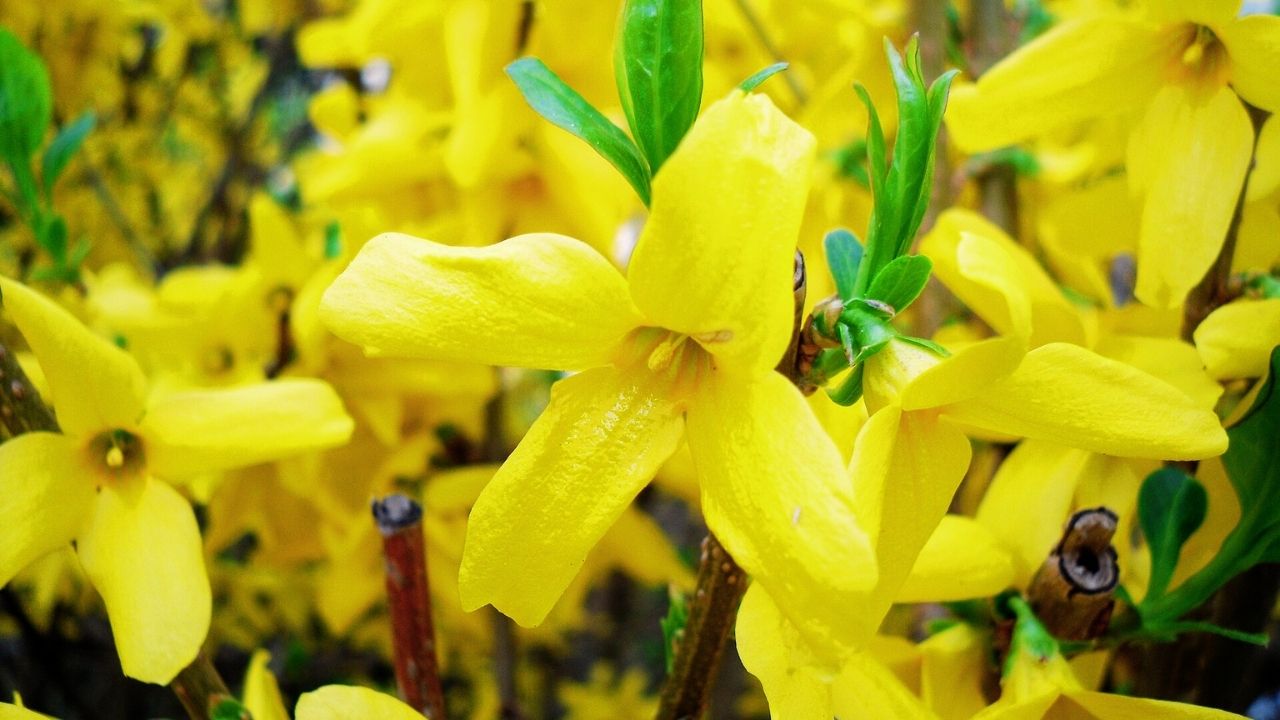
Forsythia is one of the first shrubs to announce the arrival of spring, covering its arching branches with brilliant golden-yellow flowers before the leaves emerge. Its cheerful blooms brighten landscapes after the dull winter months and provide an early source of nectar for pollinators. Easy to grow and highly adaptable, forsythia is a favorite among beginner and experienced gardeners alike. Whether used as a flowering hedge, specimen shrub, or foundation planting, it delivers impressive seasonal color with relatively little maintenance.
Native to East Asia and parts of Europe, forsythia thrives in many temperate climates and is valued for its fast growth, long lifespan, and dependable flowering. With the right planting location, regular pruning, and basic seasonal care, these shrubs can remain healthy and productive for decades.
Choosing the Right Forsythia Variety
Selecting the appropriate variety depends on your available space and landscaping goals. Standard varieties can reach heights of 8 to 10 feet with an equally wide spread, making them ideal for privacy screens or informal hedges. Compact cultivars grow only 2 to 4 feet tall and fit well into smaller gardens, borders, or container plantings.
Some varieties feature especially large flowers, while others are bred for improved cold tolerance or more compact growth habits. Before purchasing a shrub, consider your local climate, mature size, and intended use so the plant has enough room to develop naturally.
Ideal Growing Conditions
Forsythia grows best in areas with cool winters and warm springs. It performs well in USDA Hardiness Zones 5 through 8, although certain cultivars tolerate slightly colder or warmer regions.
Full sun is the key to abundant flowering. A location receiving at least six hours of direct sunlight each day produces the heaviest bloom display. While the shrub tolerates partial shade, reduced sunlight often results in fewer flowers and more open, leggy growth.
Good air circulation around the plant helps reduce moisture-related diseases and encourages healthy branch development.
Soil Requirements
One of forsythia’s greatest strengths is its adaptability to various soil types. It grows well in sandy, loamy, and even moderately clay-rich soils as long as drainage is adequate.
The ideal soil is fertile, loose, and slightly acidic to neutral with a pH between 6.0 and 7.0. Before planting, incorporate compost or well-rotted organic matter into the soil to improve structure, increase nutrient availability, and enhance moisture retention without creating waterlogged conditions.
Avoid planting in areas where water remains standing after rain, as prolonged wet soil can damage the root system.
How to Plant Forsythia
The best planting time is early spring or early autumn when temperatures are mild and the soil remains workable. These seasons allow the roots to establish before extreme heat or freezing weather arrives.
Dig a planting hole twice as wide as the root ball and approximately the same depth. Position the shrub so the top of the root ball sits level with the surrounding soil surface. Backfill with the excavated soil mixed with compost, gently firming it around the roots to eliminate air pockets.
Water thoroughly after planting to settle the soil and help establish strong root contact.
When planting multiple shrubs for a hedge, space them approximately 4 to 6 feet apart depending on the mature size of the chosen variety. Individual specimen shrubs should have enough space to spread naturally without crowding nearby plants.
Watering Requirements
Newly planted forsythia requires regular watering during its first growing season. Water deeply once or twice each week, depending on rainfall and soil conditions, keeping the soil consistently moist but never saturated.
Once established, forsythia becomes relatively drought tolerant. Mature shrubs usually need supplemental watering only during prolonged dry periods. Deep watering encourages roots to grow farther into the soil, improving resilience during hot weather.
Applying a layer of organic mulch around the base helps retain soil moisture, regulate temperature, and reduce weed growth. Leave a small gap between the mulch and the stems to prevent excess moisture buildup.
Fertilizing for Healthy Growth
Forsythia generally requires only modest fertilization. In fertile garden soil, compost applied each spring often supplies enough nutrients for vigorous growth and flowering.
If additional feeding is needed, apply a balanced slow-release fertilizer in early spring before new growth begins. Avoid excessive nitrogen applications, as they encourage lush leafy growth while reducing flower production.
A yearly top dressing of compost also improves soil health and supports beneficial microorganisms that contribute to long-term plant vigor.
Mulching Benefits
Mulching provides several important advantages throughout the growing season. Organic materials such as shredded bark, wood chips, pine needles, or leaf mold help maintain consistent soil moisture while reducing weed competition.
A mulch layer approximately 2 to 3 inches thick protects roots from temperature extremes and gradually enriches the soil as it decomposes. Refresh the mulch annually to maintain effective coverage.
Pruning Forsythia Properly
Pruning is one of the most important aspects of maintaining a beautiful forsythia shrub. Since flower buds develop on the previous year’s growth, pruning at the wrong time can remove the next spring’s blossoms.
The ideal time to prune is immediately after flowering finishes. This gives the shrub an entire growing season to produce new stems and flower buds for the following year.
Begin by removing dead, damaged, or diseased branches. Next, thin crowded stems to improve airflow and sunlight penetration. Older shrubs benefit from removing one-quarter to one-third of the oldest stems at ground level each year. This rejuvenation encourages vigorous new shoots that produce abundant flowers.
Avoid shearing the shrub into rigid shapes, as this destroys its naturally graceful arching habit and often reduces blooming.
Seasonal Care Throughout the Year
Spring is the most colorful season for forsythia. Enjoy the flowers, then prune after blooming if needed. Apply compost or fertilizer and replenish mulch.
Summer is the period of active growth. Water during dry spells, inspect for pests, and remove any damaged branches.
Autumn is an excellent time for planting new shrubs. Continue watering until the ground freezes, especially for newly established plants.
Winter requires very little maintenance. Established shrubs tolerate cold temperatures well, although young plants may benefit from a protective mulch layer around the roots in particularly harsh climates.
Common Pests and Diseases
Forsythia is generally resistant to serious pest problems, making it an excellent low-maintenance landscape shrub. However, occasional issues can occur.
Aphids sometimes gather on young shoots and leaves, feeding on plant sap. Strong water sprays or insecticidal soap usually provide effective control.
Scale insects may attach themselves to stems, causing reduced vigor if populations become heavy. Pruning affected branches and encouraging beneficial insects often keeps infestations manageable.
Leaf spot diseases occasionally appear during extended periods of wet weather. Good air circulation, proper spacing, and avoiding overhead watering help minimize fungal problems.
Root rot remains the most serious concern and almost always results from poorly drained soil or excessive watering.
Encouraging More Blooms
If a forsythia produces abundant leaves but few flowers, insufficient sunlight is often the primary cause. Relocating nearby plants that create shade or selecting a sunnier planting site can dramatically improve blooming.
Improper pruning also reduces flowering. Always prune shortly after blooming rather than during autumn, winter, or early spring.
Avoid applying excessive nitrogen fertilizer, which encourages foliage growth at the expense of flowers.
Regular renewal pruning keeps shrubs youthful and productive by stimulating vigorous flowering stems.
Propagating Forsythia
Forsythia is among the easiest shrubs to propagate. Softwood cuttings taken during late spring or early summer root readily under moist conditions.
Hardwood cuttings collected during winter also produce new plants with patience and proper care.
Layering is another reliable technique. Bend a low branch to the ground, bury a section beneath the soil while leaving the tip exposed, and secure it in place. After roots develop, the new plant can be separated from the parent shrub and transplanted.
Landscaping Uses
Forsythia fits beautifully into many landscape designs. It serves as an eye-catching specimen shrub that creates a brilliant focal point during early spring. Multiple shrubs planted together form attractive flowering hedges that provide seasonal privacy and structure.
Its arching branches soften fences, walls, and property boundaries while adding movement and texture to the landscape. Forsythia also pairs well with spring bulbs, flowering cherries, redbuds, lilacs, and evergreen shrubs, creating layered displays of color throughout the growing season.
Compact varieties perform well in mixed shrub borders, while larger selections make excellent natural screens.
Common Growing Mistakes
Many gardeners unintentionally reduce flowering by pruning too late in the season after flower buds have already formed. Another frequent mistake is planting in heavy shade, where the shrub grows vigorously but produces very few blooms.
Overwatering established plants can encourage root problems, while poor drainage significantly increases disease risk.
Crowding shrubs too closely together reduces airflow and may lead to fungal issues over time. Allowing enough space for mature growth results in healthier, more attractive plants.
Conclusion
Forsythia remains one of the easiest and most rewarding flowering shrubs for home landscapes. Its spectacular golden blossoms, dependable performance, and low maintenance requirements make it a favorite for gardeners seeking reliable spring color. By planting it in full sun, providing well-drained soil, watering wisely during establishment, and pruning immediately after flowering, you can enjoy vigorous growth and breathtaking blooms year after year. With only modest care, a healthy forsythia shrub can become a long-lasting highlight of your garden, welcoming every spring with a vibrant display of golden flowers.
