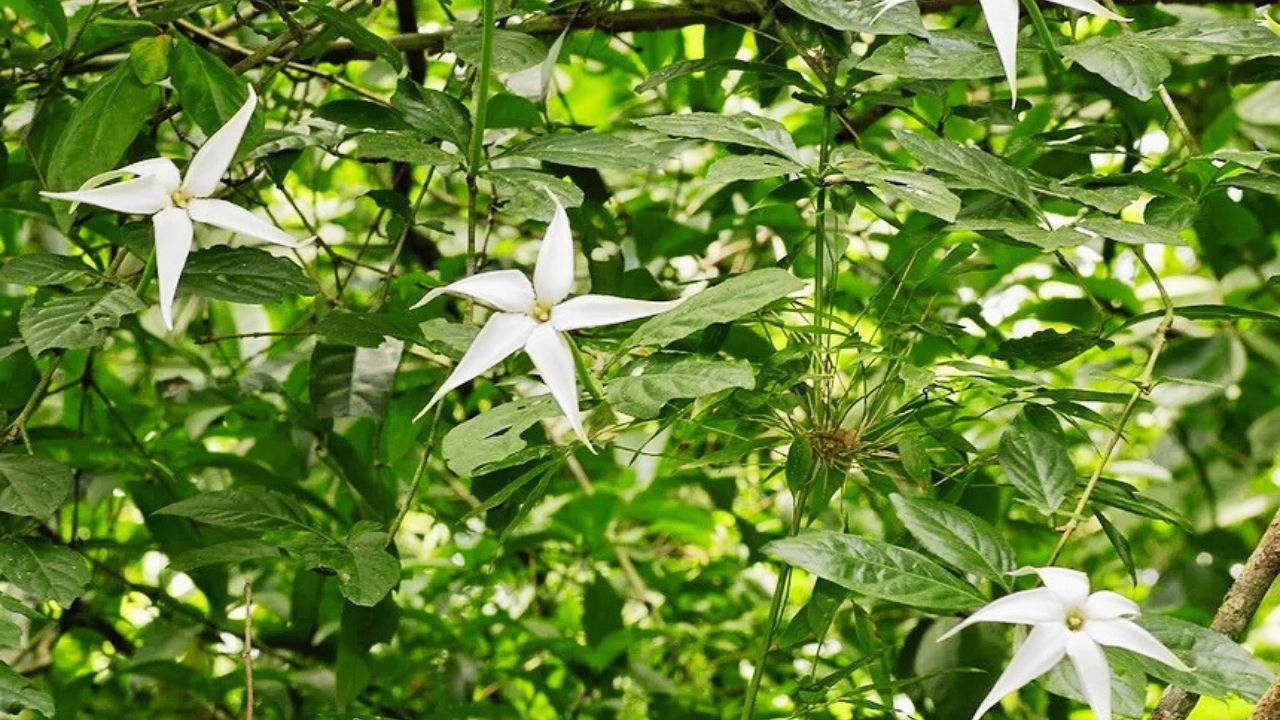
Ruizodendron is a rare tropical tree admired by plant collectors and botanical enthusiasts for its attractive foliage, elegant growth habit, and unique place within tropical rainforest ecosystems. Native to warm, humid regions of South America, this uncommon species thrives in conditions that closely resemble its natural forest habitat. While it is not as widely cultivated as many ornamental trees, Ruizodendron can become a rewarding addition to tropical gardens, botanical collections, and conservation plantings when provided with proper care.
Growing Ruizodendron successfully requires understanding its preferences for warmth, consistent moisture, rich organic soil, and filtered sunlight during its early years. Like many rainforest trees, it develops steadily rather than rapidly, rewarding patient gardeners with healthy, lush growth over time. Whether you are cultivating it outdoors in a tropical climate or nurturing a young specimen in a protected environment, proper care from planting onward greatly improves its long-term health.
Understanding the Natural Habitat of Ruizodendron
Ruizodendron naturally grows in humid tropical forests where temperatures remain warm throughout the year and rainfall is abundant. In its native environment, the tree often develops beneath taller forest canopies before gradually reaching higher light levels as it matures.
These forests provide deep, fertile soil rich in decomposed leaves and organic matter. The ground rarely dries completely, yet excellent drainage prevents standing water around the roots. High humidity, gentle air circulation, and protection from harsh afternoon sun create ideal growing conditions that gardeners should try to replicate.
Understanding these natural conditions helps explain why Ruizodendron performs best when planted in moisture-retentive but well-drained soil with steady warmth and moderate shade during establishment.
Choosing the Best Climate
Ruizodendron prefers tropical and frost-free climates where temperatures generally remain between 68°F and 90°F (20°C to 32°C). Stable warmth encourages continuous growth throughout the growing season.
Cold temperatures are one of the biggest challenges for this species. Temperatures below 50°F (10°C) can slow growth, while frost may severely damage young plants or even kill them.
Gardeners in cooler regions can still grow Ruizodendron in large containers that can be moved into greenhouses or protected indoor spaces during colder months. Maintaining warm temperatures and high humidity is essential for continued healthy development.
Selecting the Right Location
Choosing the proper planting location has a significant impact on the health of Ruizodendron. Young plants appreciate bright filtered sunlight or partial shade, similar to the light conditions found beneath rainforest trees.
Morning sunlight combined with afternoon shade often provides an ideal balance between growth and protection. As the tree matures, it can gradually tolerate somewhat brighter conditions, although protection from intense midday heat remains beneficial in particularly hot climates.
Select a location protected from strong winds, which may damage tender branches and reduce humidity around the foliage.
Soil Requirements for Healthy Growth
Ruizodendron performs best in deep, fertile soil rich in organic matter. Soil should remain evenly moist while allowing excess water to drain freely.
The ideal growing medium combines garden soil with generous amounts of compost, leaf mold, aged manure, or well-rotted organic material. These amendments improve fertility while increasing moisture retention and supporting beneficial soil microorganisms.
A slightly acidic to neutral soil pH between 6.0 and 7.0 generally provides the best nutrient availability.
Heavy clay soils should be improved with compost and coarse organic materials before planting to enhance drainage. Sandy soils can also be enriched with compost to improve water retention.
Planting Ruizodendron Properly
Plant Ruizodendron during the warmest part of the growing season when temperatures remain consistently favorable. Warm soil encourages faster root establishment and reduces transplant stress.
Dig a planting hole approximately twice as wide as the root ball while keeping the depth equal to its original container. Position the plant carefully so the root collar sits level with the surrounding soil surface.
Backfill gently with enriched soil, pressing lightly to remove large air pockets without compacting the soil excessively. Water thoroughly immediately after planting to settle the roots.
Applying a generous layer of organic mulch around the base helps maintain soil moisture, regulate temperature, and suppress weed growth. Leave a small gap around the trunk to prevent excessive moisture buildup against the bark.
Watering Requirements
Consistent watering is one of the most important aspects of Ruizodendron care. The soil should remain evenly moist but never become permanently saturated.
Young trees require regular watering while establishing their root systems. During hot weather, watering may be necessary several times each week depending on rainfall and soil conditions.
Mature specimens become somewhat more tolerant of short dry periods but still perform best when provided with consistent moisture.
Deep watering encourages stronger root development compared to frequent shallow watering. Always allow excess water to drain freely to reduce the risk of root diseases.
Humidity and Air Moisture
High humidity greatly benefits Ruizodendron, reflecting the moist rainforest conditions where it naturally grows.
In tropical regions, natural humidity is often sufficient. In drier climates, gardeners can increase humidity by grouping plants together, watering surrounding vegetation, or using humidity trays for container-grown specimens.
Indoor plants may appreciate occasional misting during particularly dry periods, although maintaining consistent room humidity generally provides better long-term results.
Good air circulation remains important despite the need for humidity, helping prevent fungal diseases from developing on constantly damp foliage.
Fertilizing for Vigorous Growth
Ruizodendron benefits from regular feeding throughout the active growing season. Balanced nutrition supports healthy leaf production, strong roots, and steady branch development.
Apply a slow-release balanced fertilizer during spring and early summer according to the manufacturer’s recommendations. Organic fertilizers such as compost, worm castings, or well-rotted manure also provide valuable nutrients while improving soil structure.
Avoid excessive nitrogen applications, which may encourage soft, weak growth that is more vulnerable to pests and environmental stress.
Reduce fertilization during cooler months when growth naturally slows.
Mulching Benefits
Organic mulch provides several important advantages for Ruizodendron.
A layer of shredded bark, leaf mold, compost, or wood chips helps conserve soil moisture during hot weather while reducing evaporation. Mulch also moderates soil temperature, protects roots from heat stress, and gradually adds nutrients as it decomposes.
Replacing mulch annually maintains these benefits while continuously improving soil quality over time.
Pruning and Maintenance
Ruizodendron generally requires minimal pruning beyond routine maintenance.
Remove dead, damaged, or diseased branches whenever they appear. Light pruning can also improve the tree’s overall shape and encourage balanced growth.
Avoid heavy pruning, especially on young trees, since excessive branch removal may slow establishment and reduce natural canopy development.
Always use clean, sharp pruning tools to minimize the risk of introducing diseases.
Growing Ruizodendron in Containers
Container cultivation allows gardeners in cooler climates to successfully grow Ruizodendron despite unsuitable outdoor conditions.
Choose a large container with excellent drainage holes. Fill it with a rich, well-draining potting mix containing compost, bark, perlite, and quality organic material.
Container-grown plants require more frequent watering than those planted in the ground because potting mixes dry more quickly.
Repot every two to three years or whenever roots begin circling the container. Fresh growing media replenishes nutrients and provides additional room for root expansion.
Common Pests
Healthy Ruizodendron trees are relatively resilient but may occasionally experience pest problems.
Common pests include aphids, spider mites, scale insects, and mealybugs, particularly when plants are stressed or grown indoors.
Regular inspection of leaves, stems, and growing tips helps detect infestations early. Washing foliage with water or applying insecticidal soap usually controls minor pest populations effectively.
Maintaining healthy growing conditions significantly reduces the likelihood of serious infestations.
Common Diseases
Most diseases affecting Ruizodendron result from excessive moisture around the roots or poor air circulation.
Root rot is the most serious issue and usually develops when soil remains waterlogged for extended periods. Proper drainage is the best prevention.
Leaf spot diseases may occasionally appear during prolonged humid weather, especially if foliage remains wet overnight.
Removing infected leaves, improving airflow, and avoiding overhead watering help minimize disease development.
Healthy soil and proper cultural care remain the strongest defenses against most plant diseases.
Propagation Methods
Ruizodendron is commonly propagated from fresh seeds whenever available. Seeds generally germinate best when planted soon after collection because viability declines over time.
Use a moist, sterile seed-starting mix and maintain warm temperatures between 75°F and 85°F (24°C to 29°C). Consistent moisture and high humidity encourage successful germination.
Propagation through cuttings may also be possible, although success rates vary depending on the maturity of the plant material and environmental conditions.
Young seedlings benefit from gradual acclimation to brighter light as they develop.
Seasonal Care Tips
Spring is the ideal time to plant, fertilize, and encourage new growth. Consistent watering and balanced nutrition support vigorous development during this period.
Summer requires careful moisture management as higher temperatures increase water demand. Refresh mulch if necessary to help conserve soil moisture.
Autumn often brings slower growth, making it a good time to reduce fertilization while continuing regular watering.
During winter, protect the tree from cold temperatures. Container-grown specimens should be moved to warm, sheltered locations if frost threatens.
Landscape Uses
Ruizodendron makes an attractive specimen tree in tropical landscapes, botanical gardens, and rare plant collections. Its graceful structure and lush green foliage contribute a distinctly rainforest appearance to shaded garden areas.
It pairs well with tropical ferns, palms, gingers, heliconias, philodendrons, and other moisture-loving understory plants. The tree also contributes to biodiversity by providing habitat within naturalistic landscape designs.
Because of its rarity, Ruizodendron is especially valued by collectors interested in preserving unusual tropical species.
Conclusion
Ruizodendron is a fascinating tropical tree that rewards careful cultivation with healthy foliage, graceful growth, and lasting ornamental value. Success depends on recreating the warm, humid conditions of its native rainforest habitat by providing fertile, well-drained soil, consistent moisture, filtered sunlight, and regular organic care. Although it requires patience and attention during establishment, a well-maintained Ruizodendron becomes a resilient and beautiful addition to tropical gardens, conservatories, and botanical collections, offering years of healthy growth and showcasing the remarkable diversity of rainforest trees.
