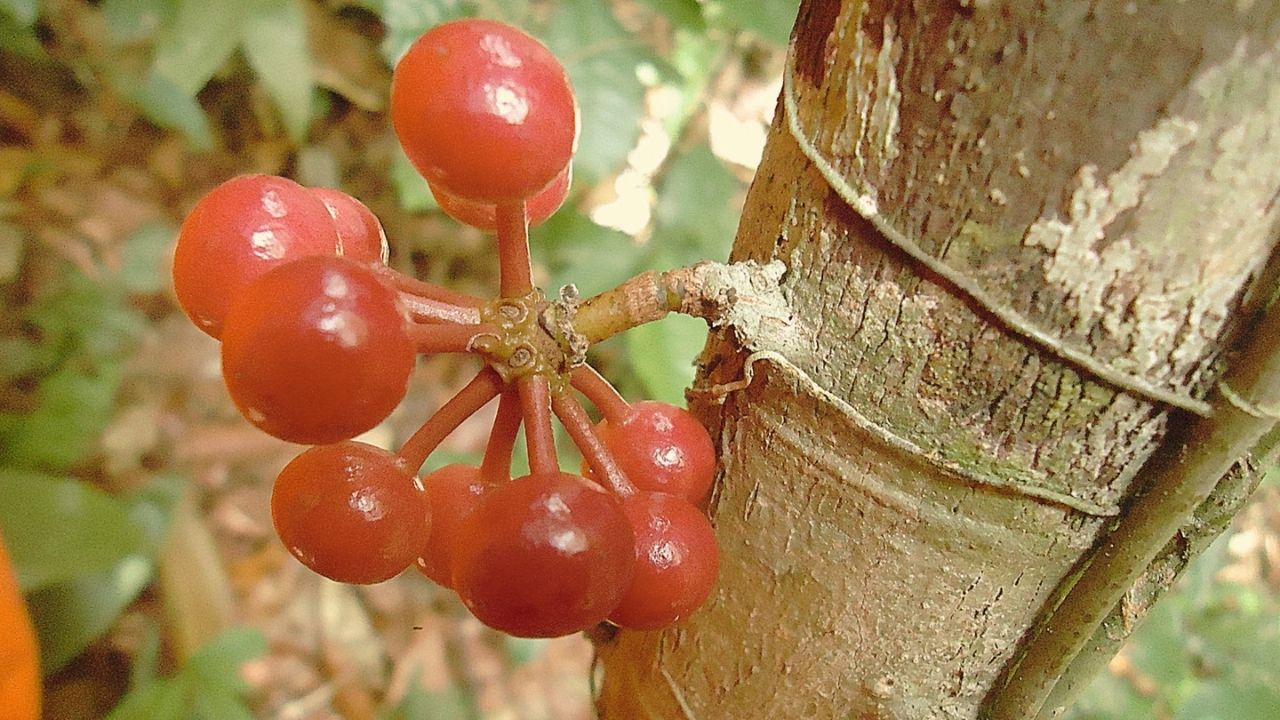
Pseudoxandra is a fascinating tropical tree belonging to the Annonaceae family, the same family as soursop, cherimoya, and custard apple. Native to the rainforests of Central and South America, this rare genus is admired for its glossy evergreen foliage, elegant growth habit, and ability to thrive in warm, humid environments. Although not commonly found in home gardens, Pseudoxandra can be successfully grown by plant enthusiasts who recreate its natural habitat with the right combination of warmth, moisture, and well-draining soil.
Growing Pseudoxandra at home requires patience because it develops steadily rather than rapidly. However, its attractive foliage and unique tropical appearance make it a rewarding addition to collections of rare plants. Whether planted outdoors in tropical climates or kept in a large container in a greenhouse or sunroom, this tree responds well to consistent care and stable growing conditions.
Understanding Pseudoxandra’s Natural Habitat
In the wild, Pseudoxandra grows beneath the canopy of tropical rainforests where temperatures remain warm throughout the year. These forests provide filtered sunlight, rich organic soil, regular rainfall, and consistently high humidity.
Understanding this environment is the key to successfully cultivating the plant at home. Rather than exposing it to intense afternoon sun or dry conditions, gardeners should aim to recreate the sheltered, humid atmosphere of its native habitat. Stable growing conditions encourage healthy roots, lush foliage, and vigorous growth.
Best Climate for Growing Pseudoxandra
Pseudoxandra performs best in tropical and subtropical climates where temperatures remain between 70°F and 90°F (21°C to 32°C). It dislikes sudden temperature changes and is particularly sensitive to frost.
If temperatures fall below 50°F (10°C), growth slows considerably, while freezing temperatures can permanently damage or kill the plant.
Gardeners living in cooler climates should grow Pseudoxandra in containers so it can be moved indoors during cold weather. A heated greenhouse, conservatory, or bright indoor room provides suitable protection throughout winter.
High humidity is equally important. Humidity levels above 60 percent help prevent leaf drying and encourage healthy new growth. Indoor growers can increase humidity by using humidifiers, pebble trays filled with water, or grouping tropical plants together.
Light Requirements
Pseudoxandra naturally grows beneath taller rainforest trees, meaning it receives bright but filtered sunlight rather than direct exposure throughout the day.
The ideal location offers bright indirect light or gentle morning sun followed by afternoon shade. Around four to six hours of filtered light each day supports healthy development.
When grown indoors, place the plant near an east-facing window or a bright south-facing window with sheer curtains. Too little light results in slow growth and elongated stems, while excessive direct sunlight may scorch the leaves.
Choosing the Right Soil
Healthy roots begin with well-draining, nutrient-rich soil. Pseudoxandra prefers loose soil that retains moisture while allowing excess water to drain freely.
A suitable growing mix may include:
- Two parts high-quality potting soil
- One part compost or leaf mold
- One part coconut coir or peat moss
- One part perlite or coarse sand
This combination creates an airy structure that supplies moisture, nutrients, and oxygen to the roots while preventing waterlogging.
The ideal soil pH ranges from 5.8 to 6.8, making slightly acidic soil the most suitable choice.
Planting Pseudoxandra
Planting is best done during spring or early summer when warm temperatures encourage root establishment.
Choose a container with multiple drainage holes if growing indoors. Select a pot only slightly larger than the root ball since oversized containers retain excess moisture.
Dig a planting hole equal to the depth of the root ball and roughly twice as wide. Place the plant at the same depth it previously grew, backfill with prepared soil, gently firm it, and water thoroughly.
Applying a layer of organic mulch helps retain moisture, regulate soil temperature, and gradually improve soil quality.
Water Requirements
Consistent moisture is essential for Pseudoxandra, but overly wet soil should always be avoided.
Water deeply whenever the top inch of soil begins to dry. During active growth in spring and summer, watering is usually required once or twice each week, depending on temperature and humidity.
Reduce watering during cooler months when growth naturally slows.
Always allow excess water to drain completely, and never let the container sit in standing water, as prolonged saturation may cause root rot.
Rainwater or filtered water is often beneficial, particularly in areas with highly chlorinated tap water.
Fertilizing for Healthy Growth
Pseudoxandra benefits from regular feeding during its growing season.
Apply a balanced liquid fertilizer every four to six weeks from spring through early autumn. A fertilizer with equal proportions of nitrogen, phosphorus, and potassium supports healthy foliage and root development.
Slow-release fertilizers formulated for tropical plants also work well.
Organic fertilizers such as compost, worm castings, fish emulsion, or seaweed extract gradually enrich the soil while promoting beneficial microbial activity.
Avoid excessive fertilizer applications, as too much nitrogen can produce weak, soft growth.
Humidity and Air Circulation
High humidity encourages vibrant foliage and healthy growth. Indoor environments often become dry due to heating or air conditioning, making supplemental humidity beneficial.
Maintain humidity between 60 and 80 percent whenever possible.
Good airflow is equally important. Gentle air circulation helps reduce fungal diseases while preventing stagnant, humid conditions around the leaves. Avoid placing the plant directly in front of heating or cooling vents.
Pruning and Maintenance
Pseudoxandra requires minimal pruning.
Inspect the plant regularly and remove dead, damaged, or diseased branches using clean pruning tools. Light shaping encourages a balanced canopy while improving air circulation through the plant.
Remove yellowing leaves as they appear to keep the tree looking healthy and attractive.
Avoid heavy pruning, as slow-growing tropical trees recover gradually from severe cuts.
Growing Pseudoxandra in Containers
Container cultivation is ideal for gardeners outside tropical regions.
Choose a sturdy pot with excellent drainage and repot every two to three years or whenever roots begin circling the container.
Refresh the soil during repotting to replenish nutrients and improve drainage.
During warm months, containers can be placed outdoors in bright shade before being moved indoors when temperatures begin to fall.
Common Growing Problems
Although generally resilient, Pseudoxandra may experience a few common issues.
Yellow leaves often indicate overwatering or poor drainage.
Brown leaf edges usually result from low humidity or inconsistent watering.
Slow growth may occur due to insufficient warmth, inadequate light, or nutrient deficiencies.
Leaf drop can happen after sudden environmental changes, including relocation, cold drafts, or temperature fluctuations.
Carefully observing the plant’s growing conditions usually allows these problems to be corrected before lasting damage occurs.
Common Pests
Like many tropical plants, Pseudoxandra may occasionally attract insect pests.
Watch for spider mites, mealybugs, aphids, and scale insects, especially on indoor plants.
Inspect both sides of the leaves regularly.
Minor infestations can often be removed with insecticidal soap, neem oil, or a gentle stream of water. Maintaining healthy humidity and airflow also discourages many pests from becoming established.
Propagation Methods
Pseudoxandra is most commonly propagated from seeds, although fresh seeds typically produce the best germination rates.
Soak seeds in warm water for approximately 24 hours before planting them in moist, sterile seed-starting mix.
Maintain temperatures between 75°F and 85°F (24°C to 29°C) with consistently moist soil and high humidity.
Germination may require several weeks or even months, depending on seed freshness and growing conditions.
Some experienced growers may also experiment with semi-hardwood cuttings, although success rates are generally lower than seed propagation.
Long-Term Care Tips
As the tree matures, continue providing consistent warmth, moisture, and humidity while avoiding sudden environmental changes.
Refresh mulch annually, feed during the growing season, and monitor for pests before they become serious problems.
Patience is essential, as Pseudoxandra develops gradually. With proper care, it becomes an attractive evergreen specimen featuring lush tropical foliage that remains ornamental throughout the year.
Conclusion
Growing Pseudoxandra at home is an enjoyable challenge for gardeners who appreciate rare tropical plants. By recreating its rainforest environment with warm temperatures, filtered sunlight, rich well-draining soil, regular watering, and high humidity, this unique tree can flourish for many years. Although it grows slowly, its elegant evergreen foliage and distinctive tropical character make it a valuable addition to indoor collections, greenhouses, and frost-free gardens. With consistent attention to climate, soil quality, and routine maintenance, Pseudoxandra can reward growers with healthy growth and lasting beauty.
