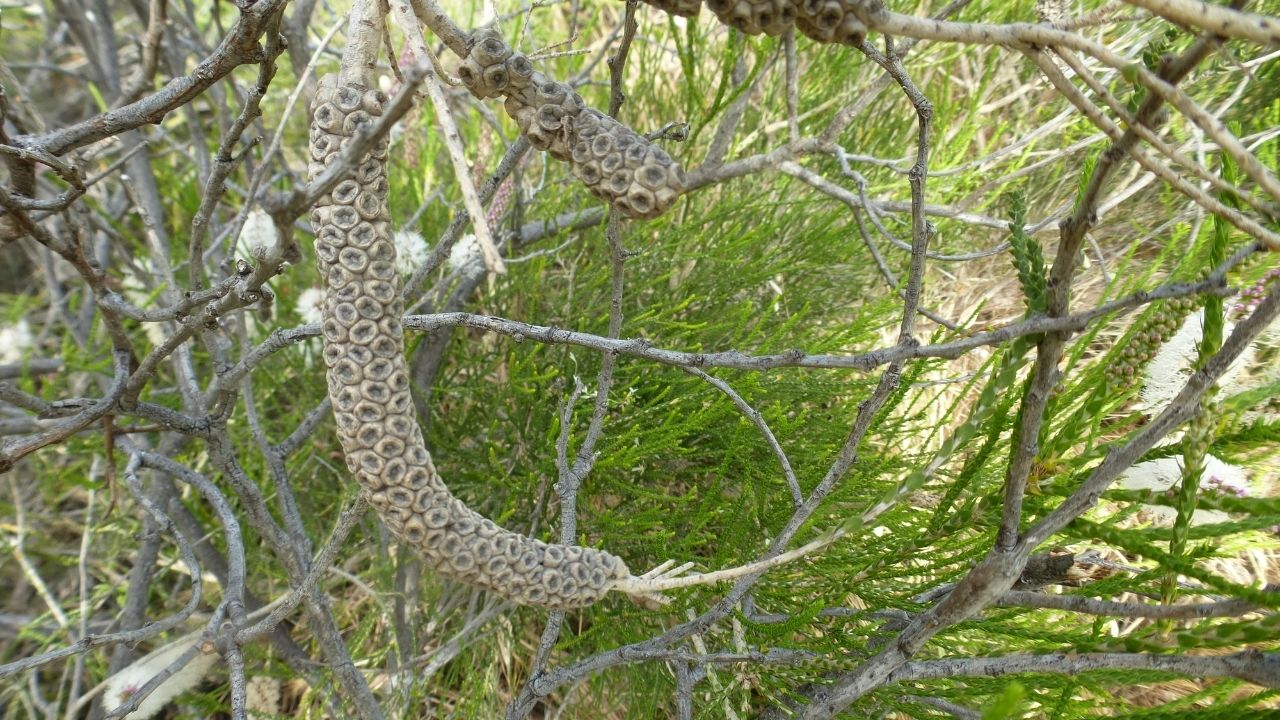
Melaleuca is a fascinating group of evergreen trees and shrubs admired for their attractive foliage, colorful bottlebrush-like flowers, and remarkable adaptability. Native primarily to Australia, these plants have become popular in home gardens around the world because they are both beautiful and relatively easy to grow. Depending on the variety, Melaleuca can serve as an ornamental tree, flowering hedge, privacy screen, or wildlife-friendly addition to the landscape. Many species are also known for their aromatic leaves, which release a pleasant scent when crushed.
Growing Melaleuca successfully begins with understanding its natural habitat. These plants thrive in warm climates with plenty of sunlight and well-drained soil. Once established, many varieties become highly drought tolerant, making them an excellent choice for gardeners looking for low-maintenance plants. With proper planting, watering, and seasonal care, Melaleuca can remain healthy and vibrant for decades.
Understanding Melaleuca Growing Requirements
Melaleuca belongs to the myrtle family and includes hundreds of species with varying sizes and growth habits. Some remain compact enough for small gardens, while others develop into impressive shade trees reaching over 30 feet in height.
The plant produces narrow, evergreen leaves and unique fluffy flowers that attract bees, butterflies, and other beneficial pollinators. Bloom colors commonly include white, cream, pink, and red, depending on the species. Because of its ornamental appeal and resilience, Melaleuca is widely used in parks, gardens, and coastal landscapes.
Choosing a variety suited to your climate and available space is one of the most important steps toward long-term success.
Best Climate for Growing Melaleuca
Melaleuca grows best in warm, frost-free climates where temperatures remain relatively mild throughout the year. Most species thrive in USDA Hardiness Zones 8 through 11, although certain hardy varieties can tolerate occasional light frosts.
The ideal temperature range is between 60°F and 90°F. Warm summers encourage vigorous growth and abundant flowering, while mild winters allow the evergreen foliage to remain attractive year-round.
Many Melaleuca species tolerate coastal conditions exceptionally well, including salty air and moderate winds. This makes them excellent choices for seaside gardens where other ornamental plants may struggle.
If you live in a colder region, Melaleuca can sometimes be grown in large containers that can be moved to a sheltered location during winter.
Choosing the Ideal Planting Location
A sunny location is essential for healthy Melaleuca growth. These plants perform best when they receive at least six to eight hours of direct sunlight each day. Full sun encourages dense foliage, stronger branches, and abundant flowering.
Avoid planting Melaleuca in heavily shaded areas because insufficient sunlight often leads to sparse growth and fewer flowers. Good air circulation around the plant also helps reduce the risk of fungal diseases, especially in humid climates.
When selecting a location, allow enough room for the mature size of your chosen variety. Larger species need adequate spacing to develop their natural canopy without overcrowding nearby plants.
Soil Requirements for Healthy Growth
Melaleuca adapts to a wide range of soil types but performs best in well-drained soils with moderate fertility. Sandy loam is considered ideal because it allows water to drain efficiently while still retaining enough moisture for healthy root development.
The preferred soil pH ranges from slightly acidic to neutral, approximately 5.5 to 7.0. Although Melaleuca tolerates poor soils, incorporating organic matter before planting helps improve soil structure and encourages stronger root establishment.
Heavy clay soils should be improved with compost or coarse sand to increase drainage. Constantly waterlogged conditions can eventually lead to root rot, especially during cooler months.
How to Plant Melaleuca
The best time to plant Melaleuca is during spring or early autumn when temperatures are mild and rainfall is generally more consistent. These conditions reduce transplant stress and encourage rapid root development.
Dig a planting hole twice as wide as the root ball but no deeper than its original container. Place the plant carefully into the hole so the top of the root ball sits level with the surrounding soil. Backfill with the native soil mixed with compost, gently firm it, and water thoroughly to eliminate air pockets.
Applying a layer of mulch around the base helps conserve soil moisture, suppress weeds, and regulate soil temperature. Leave a small gap around the trunk to prevent moisture buildup against the bark.
Watering Requirements
Regular watering is essential during the first year after planting while the root system becomes established. Water deeply once or twice each week depending on rainfall, allowing the soil to dry slightly between watering sessions.
Established Melaleuca plants become remarkably drought tolerant and usually require supplemental watering only during prolonged dry periods. Deep, infrequent watering encourages roots to grow deeper into the soil, improving drought resistance.
Avoid frequent shallow watering because it promotes weak surface roots and increases susceptibility to heat stress.
Container-grown Melaleuca typically requires more frequent watering than plants growing directly in the ground since potting soil dries out faster.
Fertilizing for Vigorous Growth
Melaleuca generally requires very little fertilizer once established. Excessive feeding can actually produce excessive leafy growth while reducing flowering.
In early spring, apply a balanced slow-release fertilizer formulated for trees and shrubs. Alternatively, adding compost around the base each year supplies nutrients gradually while improving soil quality.
Avoid applying large amounts of nitrogen-rich fertilizers late in the growing season because they encourage tender new growth that may become vulnerable to cooler temperatures.
Healthy soil rich in organic matter often provides sufficient nutrients for mature Melaleuca plants.
Pruning and Maintenance
Routine pruning helps maintain an attractive shape and encourages dense branching. Remove dead, damaged, or crossing branches whenever they appear to improve overall plant health.
Light pruning immediately after flowering encourages bushier growth without sacrificing the following season’s blooms. Larger trees may occasionally require structural pruning to maintain a balanced canopy.
Avoid severe pruning into old wood unless necessary, as some species recover slowly from heavy cutting.
Refreshing mulch annually and removing weeds around the base further supports healthy growth while reducing competition for moisture and nutrients.
Growing Melaleuca in Containers
Many compact Melaleuca varieties adapt well to container cultivation, making them suitable for patios, balconies, and small gardens.
Choose a large container with multiple drainage holes and fill it with a high-quality, well-draining potting mix. Position the container in full sun and rotate it occasionally to encourage even growth.
Container plants require closer attention to watering and fertilizing because nutrients and moisture become depleted more quickly than in garden soil.
Repot every two to three years or whenever roots begin circling inside the container.
Common Pests and Diseases
Melaleuca is generally resistant to many common garden pests, but occasional problems may still occur. Scale insects, aphids, spider mites, and mealybugs sometimes feed on young growth, especially during warm weather.
Regular inspection helps identify infestations before they become severe. Washing foliage with water or using insecticidal soap often provides effective control without harming beneficial insects.
Poor drainage remains the leading cause of root diseases. Root rot develops when soil remains saturated for extended periods, highlighting the importance of proper site selection and watering practices.
Leaf spots and fungal infections are uncommon but may appear in humid conditions with poor air circulation.
Seasonal Care Throughout the Year
Spring marks the beginning of active growth. This is the ideal time to fertilize, plant new specimens, refresh mulch, and inspect for winter damage.
During summer, monitor soil moisture during extended dry spells while enjoying the spectacular flowering display. Mulch helps conserve water during periods of intense heat.
Autumn offers another excellent opportunity for planting in warmer regions. Continue watering until seasonal rains become reliable and remove fallen debris around the plant.
Winter care is generally minimal in warm climates. Young plants growing in areas prone to occasional frost benefit from temporary protective coverings during unusually cold nights.
Propagation Methods
Melaleuca can be propagated from both seeds and semi-hardwood cuttings. Seeds are commonly collected after mature seed capsules open naturally and can be sown in a light, well-drained growing medium.
Propagation from cuttings produces plants identical to the parent and generally provides faster results. Healthy semi-hardwood cuttings taken during the growing season root successfully when placed in moist propagation mix under warm, humid conditions.
Patience is important because rooting times vary depending on the species and environmental conditions.
Landscape Uses and Garden Benefits
Melaleuca offers exceptional versatility in landscape design. Compact varieties create colorful foundation plantings and flowering borders, while larger species serve as attractive specimen trees or windbreaks.
Their nectar-rich flowers attract bees, butterflies, and birds, increasing biodiversity in the garden. Evergreen foliage provides year-round visual interest, while the aromatic leaves add another sensory element to outdoor spaces.
Many gardeners appreciate Melaleuca for its combination of beauty, durability, and relatively low maintenance requirements.
Conclusion
Growing Melaleuca at home is a rewarding experience for gardeners seeking an attractive, resilient, and easy-care evergreen plant. By providing full sun, well-drained soil, moderate watering during establishment, and occasional pruning, you can enjoy healthy growth and beautiful seasonal blooms for many years. Whether planted as a striking specimen tree, a flowering hedge, or a container feature, Melaleuca adapts well to a variety of landscapes while bringing lasting color, fragrance, and wildlife activity to the garden. With consistent care and the right growing conditions, this remarkable Australian native will become one of the most dependable and visually appealing plants in your outdoor space.
