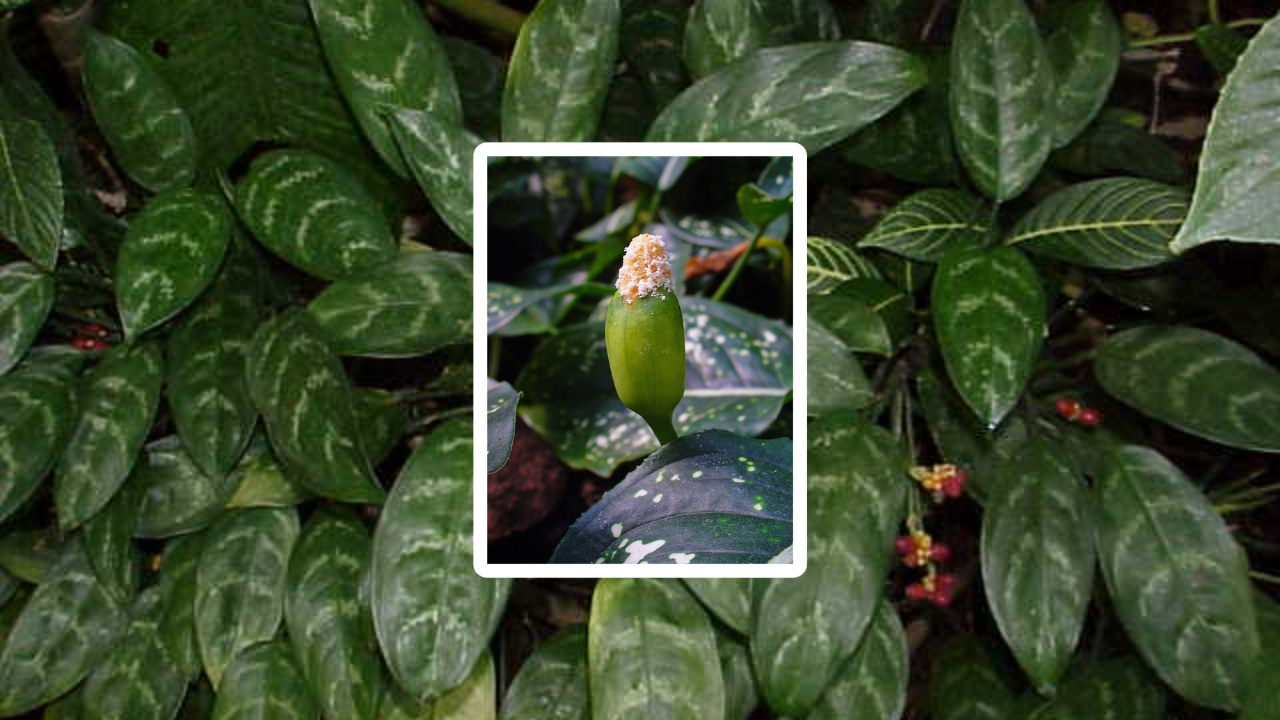
Aglaonema, commonly known as the Chinese evergreen, is one of the most loved indoor plants thanks to its lush foliage, low-maintenance nature, and ability to thrive in a variety of indoor environments. Native to tropical and subtropical regions of Asia, this plant is admired for its striking leaves that come in shades of green, silver, red, and even pink. Whether you are a beginner or an experienced plant enthusiast, Aglaonema offers a perfect balance of beauty and simplicity.
Its adaptability makes it an excellent choice for homes, offices, and shaded indoor corners where other plants might struggle. With just a little care and attention, Aglaonema can stay vibrant and healthy for years, making it a rewarding addition to any indoor space.
Choosing the Right Spot for Your Aglaonema
Placement plays a crucial role in the health and appearance of your Aglaonema. While it is known for tolerating low light conditions, it performs best in bright, indirect light. A spot near a window with filtered sunlight is ideal, as direct sunlight can scorch its leaves and fade the vibrant colors.
If your home doesn’t get much natural light, don’t worry. Aglaonema can still survive in dimly lit areas, although its growth may slow down. Varieties with darker green leaves tend to tolerate lower light better than those with lighter or more colorful patterns. Rotating the plant occasionally helps ensure even growth and prevents it from leaning toward the light source.
Understanding Watering Needs
One of the most common mistakes with Aglaonema care is overwatering. These plants prefer soil that is slightly moist but never soggy. It’s best to let the top inch of soil dry out before watering again. During warmer months, you may need to water more frequently, while in cooler seasons, watering can be reduced.
Always ensure that the pot has proper drainage to prevent water from accumulating at the bottom, as this can lead to root rot. If you’re unsure, it’s better to underwater slightly than to overwater. Yellowing leaves are often a sign of too much water, while drooping leaves may indicate the plant needs hydration.
Ideal Soil and Potting Requirements
Aglaonema thrives in well-draining, lightweight soil that allows air to reach the roots. A standard potting mix combined with perlite or sand works well to improve drainage. The goal is to create a balance where the soil retains some moisture but does not stay wet for long periods.
Choosing the right pot is equally important. A pot with drainage holes is essential to prevent waterlogging. Repotting is usually needed every one to two years or when the plant becomes root-bound. When repotting, select a container that is slightly larger than the current one to give the roots room to grow.
Temperature and Humidity Preferences
Being a tropical plant, Aglaonema prefers warm temperatures and moderate to high humidity levels. Ideally, it should be kept in a temperature range between 18°C and 27°C. Sudden drops in temperature or exposure to cold drafts can stress the plant and cause leaf damage.
Humidity plays a significant role in maintaining healthy foliage. While Aglaonema can tolerate average indoor humidity, it will thrive better in slightly humid conditions. You can increase humidity by misting the leaves occasionally, placing a tray of water nearby, or using a humidifier. Avoid placing the plant near air conditioners or heaters, as they can dry out the air.
Fertilizing for Healthy Growth
Aglaonema does not require heavy feeding, but occasional fertilization helps maintain its vibrant appearance and encourages steady growth. During the growing season, which typically spans spring and summer, you can feed the plant with a balanced liquid fertilizer once a month.
It’s important not to over-fertilize, as this can lead to salt buildup in the soil and damage the roots. In fall and winter, when the plant’s growth slows down, fertilizing can be reduced or stopped altogether. Always follow the recommended dosage on the fertilizer label to avoid any potential harm.
Pruning and Maintenance Tips
Regular pruning helps keep your Aglaonema looking neat and encourages new growth. Remove any yellowing, damaged, or dead leaves by cutting them off near the base. This not only improves the plant’s appearance but also allows it to focus energy on healthy growth.
Cleaning the leaves occasionally is another important aspect of maintenance. Dust can accumulate on the broad leaves, reducing their ability to absorb light. Gently wiping them with a damp cloth keeps them clean and shiny while also helping the plant breathe better.
Common Problems and How to Fix Them
Even though Aglaonema is relatively easy to care for, it can still face a few common issues. Yellow leaves are often caused by overwatering, while brown leaf tips may indicate low humidity or inconsistent watering. Adjusting your care routine usually resolves these problems quickly.
Pests such as spider mites, mealybugs, and aphids can occasionally appear, especially in dry conditions. Regularly inspecting your plant and cleaning the leaves can help prevent infestations. If pests do appear, they can be treated with mild insecticidal soap or by gently wiping the affected areas.
Root rot is another potential issue, typically caused by poor drainage or excessive watering. If you notice a foul smell or mushy roots, it’s important to repot the plant in fresh soil and trim away any damaged roots.
Propagation Made Simple
One of the joys of growing Aglaonema is how easy it is to propagate. The most common method is division, which can be done during repotting. Carefully separate the plant into smaller sections, ensuring each division has roots attached, and plant them in individual pots.
Another method involves stem cuttings. Cut a healthy stem and place it in water or moist soil until roots develop. With proper care, new plants will begin to grow, allowing you to expand your indoor garden or share with friends and family.
Styling Aglaonema in Your Indoor Space
Aglaonema is not just easy to care for but also incredibly versatile in home décor. Its colorful foliage adds life to any room, whether placed on a tabletop, shelf, or floor stand. It pairs beautifully with modern, minimalist, or even traditional interiors.
You can mix different varieties to create a vibrant indoor garden or use a single statement plant to brighten up a dull corner. Decorative pots can enhance its visual appeal and complement your home’s overall aesthetic.
Final Thoughts on Growing Aglaonema Successfully
Growing Aglaonema indoors is a rewarding experience that doesn’t require advanced gardening skills. With the right balance of light, water, and care, this plant can thrive and remain stunning throughout the year. Its forgiving nature makes it perfect for busy individuals or those new to indoor gardening.
By understanding its basic needs and paying attention to subtle signs, you can ensure your Aglaonema stays healthy and vibrant. Over time, it will not only enhance your living space but also bring a sense of calm and natural beauty into your home.
