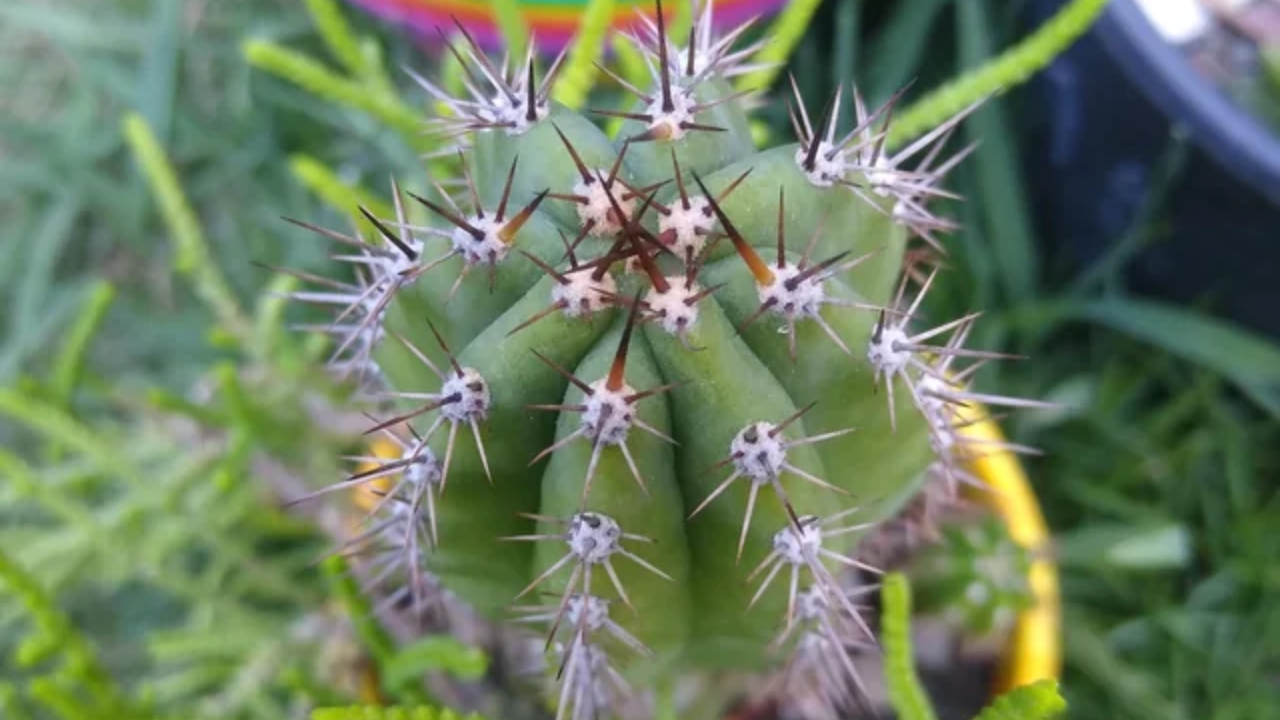
Estevesia is a beautiful ornamental flowering plant admired for its delicate blooms, lush foliage, and ability to brighten gardens with long-lasting color. Gardeners often appreciate this plant for its relatively manageable care requirements and its adaptability to both outdoor landscapes and decorative containers. When grown under the right conditions, Estevesia rewards growers with vigorous growth, healthy leaves, and impressive flowering displays throughout the growing season.
This plant generally prefers warm climates, moderate humidity, and consistent care. Although it can tolerate short periods of environmental stress, the healthiest plants are those maintained in stable growing conditions. Understanding the natural growth habits of Estevesia is the first step toward cultivating strong plants with abundant blooms.
Estevesia develops best when it receives balanced sunlight, proper moisture, nutrient-rich soil, and good airflow. Like many flowering ornamentals, it performs best when gardeners pay close attention to watering routines and seasonal maintenance. Healthy roots form the foundation for successful flowering, so soil quality and drainage should never be overlooked.
Choosing the Best Location for Planting
Selecting the right planting location has a major impact on the health and flowering performance of Estevesia. The plant thrives in areas that receive bright indirect sunlight or partial direct morning sun. In extremely hot climates, protection from harsh afternoon sunlight helps prevent leaf scorching and dehydration.
Outdoor garden beds should provide enough space for airflow around the plant. Crowded conditions often encourage fungal diseases and pest infestations. If growing multiple plants together, leave enough distance between them to allow mature growth without excessive competition for moisture and nutrients.
Container planting is also an excellent option for Estevesia. Decorative pots, balcony containers, and patio planters work especially well because they allow greater control over soil quality and drainage. When choosing containers, make sure they include drainage holes to prevent water accumulation around the roots.
Indoor growers should place Estevesia near bright windows where filtered sunlight is available for several hours daily. East-facing windows are often ideal because they provide gentle morning light without excessive heat stress.
Soil Requirements for Healthy Growth
Rich, well-draining soil is one of the most important factors in growing healthy Estevesia plants. Heavy compacted soil can suffocate roots and cause root rot, while overly sandy soil may dry out too quickly and limit nutrient retention.
A balanced growing mix containing garden soil, organic compost, peat moss, and coarse sand usually creates ideal conditions. Organic matter improves soil structure while also supplying slow-release nutrients that support healthy root development and flowering.
The soil should remain slightly moist but never waterlogged. Proper drainage prevents fungal diseases and keeps roots oxygenated. Gardeners growing Estevesia in containers can improve drainage further by adding perlite or fine bark to the potting mix.
Maintaining a slightly acidic to neutral soil pH often produces the best growth results. Testing the soil occasionally helps identify deficiencies or imbalances that may affect flowering quality.
Planting Estevesia Successfully
Planting Estevesia correctly gives the plant a strong start and reduces future stress. The ideal planting season is usually during mild weather conditions, especially spring or early autumn when temperatures remain moderate.
Before planting, loosen the soil thoroughly and remove weeds, stones, or debris. Dig a hole slightly larger than the root ball so the roots can spread comfortably. Position the plant at the same depth it was growing previously, then gently fill the surrounding area with prepared soil.
After planting, water thoroughly to help settle the soil around the roots. A light layer of mulch placed around the base of the plant helps retain moisture, regulate soil temperature, and reduce weed growth. However, avoid piling mulch directly against the stem, as excessive moisture near the crown may encourage rot.
Container-grown plants should be placed in pots only slightly larger than the root system. Oversized containers can hold excess moisture and increase the risk of root problems.
Watering Techniques and Moisture Management
Proper watering is essential for maintaining healthy Estevesia plants. Inconsistent watering often causes stress, weak growth, leaf yellowing, or poor flowering performance. The goal is to keep the soil evenly moist without creating soggy conditions.
Young plants typically require more frequent watering while establishing their root systems. Mature plants become somewhat more tolerant of short dry periods but still benefit from consistent moisture during active growth and blooming seasons.
Water deeply rather than lightly sprinkling the surface. Deep watering encourages roots to grow downward, creating stronger and more drought-resistant plants. Early morning watering is usually best because it allows excess moisture on leaves to dry before evening.
During hot summer weather, container plants may require watering more often because pots dry out faster than garden soil. In cooler seasons, watering frequency should be reduced to prevent overwatering.
Monitoring soil moisture by touching the top layer helps prevent watering mistakes. If the surface feels dry but the deeper soil remains moist, watering can often wait another day.
Sunlight and Temperature Needs
Estevesia grows best in moderate temperatures with bright light exposure. Too little sunlight often leads to weak stems, slow growth, and limited blooming. Excessively intense sunlight, especially during peak afternoon heat, may scorch leaves or fade flowers.
Most plants perform best with several hours of gentle sunlight daily combined with partial shade during the hottest part of the day. Gardeners in cooler climates may provide more direct sunlight, while those in warmer tropical areas should offer light shade protection.
Temperature stability is also important. Sudden cold exposure can damage foliage and reduce flowering potential. If temperatures drop significantly during winter, container-grown plants can be moved indoors or into protected greenhouse spaces.
Indoor plants should be kept away from cold drafts, air conditioning vents, or heaters that create rapid temperature fluctuations.
Fertilizing for Better Blooms
Regular feeding helps Estevesia produce stronger foliage and more abundant flowers. Flowering plants require balanced nutrition throughout the growing season, particularly nitrogen for leaf growth, phosphorus for blooms, and potassium for overall plant strength.
A balanced liquid fertilizer applied every few weeks during active growth usually supports healthy development. Slow-release fertilizers can also provide steady nutrients over longer periods. Organic options such as compost tea, worm castings, or diluted fish emulsion may improve soil health naturally.
Overfertilizing should be avoided because excessive nutrients can cause rapid leafy growth with fewer flowers. Too much fertilizer may also damage roots and create salt buildup in container soil.
During dormant or cooler seasons, feeding should be reduced because the plant’s growth naturally slows down.
Pruning and Maintenance Tips
Routine pruning helps Estevesia maintain a neat appearance while encouraging fuller growth and continued flowering. Removing faded flowers, damaged leaves, and weak stems directs the plant’s energy toward healthy new growth.
Light trimming throughout the growing season can improve air circulation and reduce disease risks. If the plant becomes leggy or overgrown, more substantial pruning may be performed during the inactive season before new growth begins again.
Clean pruning tools should always be used to prevent spreading disease between plants. Sharp scissors or garden pruners create cleaner cuts that heal more quickly.
Mulching, occasional soil loosening, and weed removal are also valuable maintenance practices. Weeds compete for nutrients and moisture, so keeping the planting area clean improves overall plant health.
Common Problems and How to Prevent Them
Although Estevesia is generally manageable, several common issues can affect growth and flowering. Overwatering remains one of the most frequent causes of plant decline. Waterlogged soil may lead to root rot, yellowing leaves, wilting, and fungal infections.
Pests such as aphids, spider mites, and whiteflies sometimes appear on stressed plants. Regular inspection of leaves, especially the undersides, helps detect infestations early. Mild infestations can often be controlled by washing the foliage with water or using insecticidal soap.
Fungal diseases may develop in humid environments with poor airflow. Proper spacing, careful watering, and avoiding wet foliage during evening hours significantly reduce disease risks.
Nutrient deficiencies may also appear as pale leaves, poor flowering, or slow growth. Balanced fertilization and healthy soil management usually correct these problems effectively.
Propagating Estevesia at Home
Propagation allows gardeners to expand their collection of Estevesia plants without purchasing new specimens. Stem cuttings are one of the easiest and most reliable propagation methods.
Healthy stems with several leaves are typically selected and cut just below a leaf node. Lower leaves are removed before placing the cutting into moist potting mix or water for root development. Warm temperatures and high humidity improve rooting success.
Some gardeners cover cuttings loosely with clear plastic to maintain humidity during the rooting process. Once roots develop and new growth appears, the young plants can be transplanted into larger containers or garden beds.
Division may also work for mature plants that produce multiple growth clusters. Separating healthy sections during repotting allows gardeners to create several independent plants.
Encouraging Long-Lasting Flowers
Consistent care is the key to abundant and long-lasting Estevesia blooms. Proper sunlight, steady watering, balanced feeding, and routine deadheading all contribute to continuous flower production.
Stress reduction is especially important during blooming periods. Sudden environmental changes, irregular watering, or nutrient deficiencies can cause buds to drop prematurely. Maintaining stable conditions encourages healthier flowers with better color and longevity.
Gardeners who regularly monitor their plants and respond quickly to signs of stress often enjoy the most impressive flowering displays. With proper attention and seasonal maintenance, Estevesia can remain an attractive and rewarding addition to gardens, patios, balconies, and indoor plant collections for many years.
