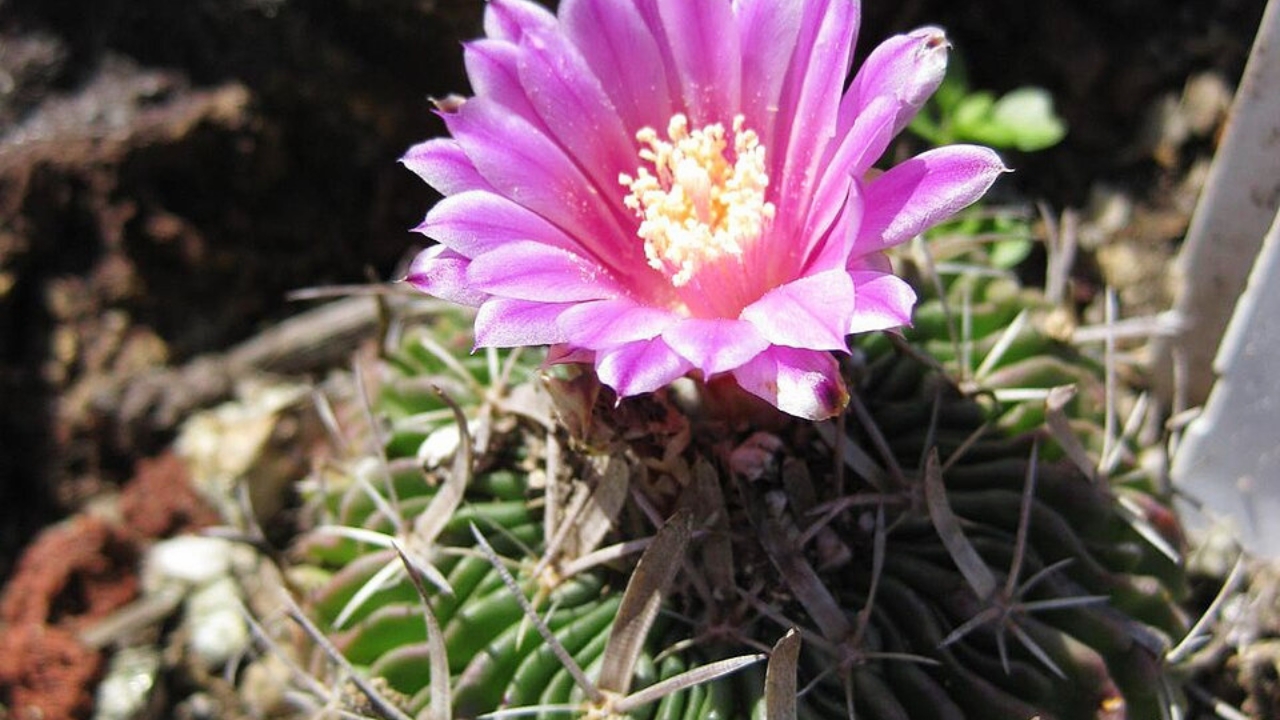
Stenocactus is one of the most fascinating cactus varieties for indoor plant enthusiasts and collectors. Known for its deeply ribbed bodies and intricate wave-like patterns, this small desert cactus brings an artistic and unusual appearance to any plant collection. Native to Mexico, Stenocactus thrives in dry climates and has adapted to survive in harsh desert conditions with very little water. Despite its exotic look, this cactus is relatively easy to grow when provided with the right environment.
Many gardeners are attracted to Stenocactus because of its compact size and unique texture. Unlike larger cactus species, it fits comfortably on windowsills, desks, balconies, and indoor shelves. Its sculptural appearance makes it a favorite among succulent collectors who appreciate plants with architectural beauty.
Growing and maintaining Stenocactus successfully requires understanding its natural habitat and care needs. Proper lighting, careful watering, suitable soil, and seasonal maintenance all play important roles in keeping this cactus healthy for years. With consistent care and attention, Stenocactus can reward growers with beautiful flowers and impressive growth patterns.
Understanding the Stenocactus Plant
Stenocactus belongs to a group of small globular cacti recognized for their numerous thin ribs that often appear crinkled or wavy. These ribs are one of the plant’s most distinctive features and help it expand and contract depending on water availability. The cactus usually remains compact, making it ideal for small spaces and indoor cultivation.
The color of Stenocactus ranges from dark green to bluish-green, and many species develop attractive spines that vary in shape and length. During the blooming season, mature plants may produce delicate flowers in shades of white, pink, cream, or purple. These blooms often appear at the top of the cactus and create a beautiful contrast against the textured body.
This cactus grows slowly, which is common among desert plants. Its slow growth rate makes maintenance easier because it rarely outgrows containers quickly. Although it is considered beginner-friendly, understanding its environmental preferences is essential for long-term success.
Ideal Light Conditions for Healthy Growth
Light is one of the most important factors in Stenocactus care. In its natural habitat, this cactus receives plenty of bright sunlight throughout the year. When grown indoors, placing it near a south-facing or west-facing window usually provides the best results.
Bright indirect light or several hours of direct morning sunlight helps maintain healthy growth and vibrant color. However, intense afternoon sun during extremely hot summer months can sometimes scorch the plant, especially if it has not been acclimated gradually. If signs of sunburn appear, such as brown or pale patches, moving the cactus to filtered light can help prevent further damage.
Insufficient light can lead to weak growth and distorted shapes. The cactus may stretch unnaturally toward the light source, a condition known as etiolation. To avoid this problem, rotate the pot occasionally so all sides receive even light exposure.
For growers in low-light homes, supplemental grow lights can support healthy development during darker seasons. Providing adequate lighting throughout the year encourages compact growth and stronger spine formation.
Choosing the Right Soil and Pot
Proper soil is essential for preventing root rot and supporting healthy roots. Stenocactus requires a fast-draining cactus mix that mimics the dry, rocky conditions of its native desert environment. Standard potting soil alone often retains too much moisture, which can quickly lead to fungal problems and root decay.
A good cactus soil mix typically contains sand, perlite, pumice, or small gravel to improve drainage and airflow. Many gardeners prefer creating their own blend by combining cactus soil with extra mineral materials for better drainage performance.
The choice of pot also matters significantly. Containers with drainage holes allow excess water to escape easily and reduce the risk of overwatering. Terracotta pots are especially popular because they absorb moisture from the soil and help keep roots dry.
When repotting, select a container only slightly larger than the root system. Oversized pots hold unnecessary moisture and may slow healthy growth. Repotting every two to three years is usually sufficient for this slow-growing cactus.
Watering Stenocactus Correctly
Overwatering is the most common reason Stenocactus plants fail. Since this cactus stores water in its body, it can survive dry periods much better than excessive moisture. Understanding when and how to water is critical for maintaining a healthy plant.
During the active growing season in spring and summer, water thoroughly only when the soil becomes completely dry. Deep watering encourages healthy root development, but the soil should never remain soggy for long periods. Always allow excess water to drain fully from the pot.
In cooler months, especially during winter dormancy, watering should be reduced significantly. The cactus requires very little moisture while resting, and frequent watering during this period increases the risk of rot.
Environmental conditions such as temperature, humidity, and pot material also influence watering frequency. Plants kept in warm, sunny locations may dry out faster than those in cooler indoor areas. Checking the soil manually before watering is always safer than following a strict schedule.
Wrinkling or slight softness can indicate dehydration, while mushy sections often signal overwatering. Monitoring these signs helps maintain the right balance.
Temperature and Humidity Requirements
Stenocactus prefers warm temperatures and dry air conditions similar to desert climates. Average indoor temperatures between 65°F and 85°F support healthy growth throughout the year. It generally performs well in normal household environments without requiring special humidity adjustments.
This cactus appreciates good airflow, especially during humid weather. Excess moisture in stagnant environments can encourage fungal infections and pest problems. Keeping the plant in a well-ventilated space helps maintain healthier growth.
Although Stenocactus can tolerate mild cold conditions, prolonged exposure to freezing temperatures may cause serious damage. If grown outdoors, it should be protected or brought inside before frost develops.
During winter, slightly cooler temperatures combined with reduced watering can encourage dormancy and improve flowering potential in the following growing season.
Fertilizing for Better Growth and Flowering
While Stenocactus does not require heavy feeding, occasional fertilization can improve overall health and flowering performance. A balanced cactus fertilizer diluted to half strength works well during the active growing months.
Feeding once every four to six weeks in spring and summer is usually sufficient. Fertilizers designed specifically for cacti and succulents often contain lower nitrogen levels, which help maintain compact growth instead of excessive soft tissue development.
Avoid fertilizing during winter dormancy because the plant is not actively growing at that time. Excess nutrients during inactive periods may stress the roots and lead to weak growth.
Healthy fertilization practices support stronger spines, vibrant color, and better blooming potential without overwhelming the plant.
Common Problems and How to Fix Them
Although Stenocactus is relatively low-maintenance, it can still experience several common issues if care conditions are not ideal. Root rot remains the most serious problem and is usually caused by excessive watering or poorly draining soil. Early symptoms include yellowing, softness, and an unpleasant smell near the base.
Pests such as mealybugs and spider mites occasionally appear, especially on indoor plants. Regular inspections help detect infestations before they spread. Wiping affected areas with alcohol or using insecticidal soap can help control these pests effectively.
Etiolation from insufficient light causes elongated and weak growth. Increasing light exposure gradually usually prevents further stretching, although severely distorted sections may not return to their original shape.
Sunburn can occur if the cactus is exposed suddenly to intense sunlight after growing in shaded conditions. Gradual acclimation helps prevent tissue damage during seasonal changes.
Propagation and Repotting Tips
Stenocactus can sometimes be propagated from seeds or offsets, depending on the species. Seed propagation requires patience because growth is typically slow, but it allows growers to produce healthy plants from an early stage.
When sowing seeds, use a sterile, well-draining cactus mix and maintain light moisture until germination occurs. Warm temperatures and bright indirect light encourage better success rates.
Repotting should be done carefully because cactus roots can be sensitive to disturbance. Wearing gloves or using folded paper helps handle the spiny plant safely. After repotting, wait several days before watering to allow damaged roots time to heal.
Fresh soil improves drainage and replenishes nutrients, helping the cactus remain healthy and stable over time.
Why Stenocactus Makes an Excellent Houseplant
Stenocactus has become increasingly popular among indoor gardeners because of its striking appearance and manageable care requirements. Its compact growth habit makes it suitable for apartments, offices, and small living spaces where larger plants may not fit comfortably.
The cactus adds texture and visual interest to modern interiors, desert-themed arrangements, and succulent collections. Since it requires relatively little water and maintenance, it is also ideal for busy plant owners seeking low-care greenery.
Its unusual ribbed design often becomes a conversation piece among visitors and plant enthusiasts. Unlike many decorative houseplants, Stenocactus combines artistic beauty with impressive drought tolerance.
With proper care, this cactus can live for many years while maintaining its unique shape and producing occasional flowers that enhance its appeal even further.
Conclusion
Stenocactus is a remarkable cactus species that combines beauty, simplicity, and resilience in one compact plant. Its dramatic ribbed structure and slow-growing nature make it an attractive option for both beginners and experienced cactus collectors.
Providing bright light, well-draining soil, careful watering, and seasonal maintenance are the key elements for successful growth. By understanding the plant’s natural desert adaptations, growers can create conditions that support long-term health and vibrant appearance.
Whether displayed on a sunny windowsill, incorporated into a succulent arrangement, or grown as part of a specialized cactus collection, Stenocactus offers lasting visual appeal with minimal care demands. With patience and consistent attention, this unique cactus can thrive beautifully for years indoors or outdoors.
