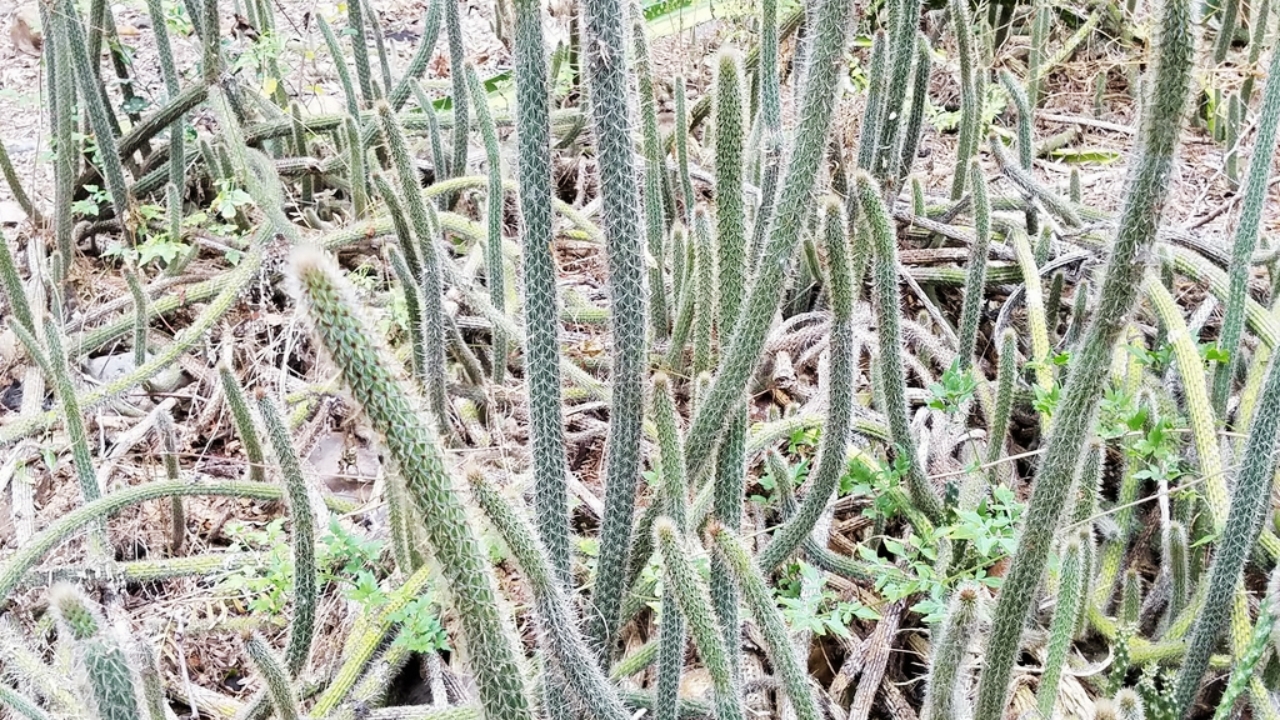
Nyctocereus is a fascinating cactus genus admired for its climbing growth habit, night-blooming flowers, and tropical appearance. Native to warm regions of Central America and Mexico, these cacti are often recognized for their long, slender stems and spectacular blooms that open after sunset. Many plant collectors appreciate Nyctocereus because it combines the toughness of desert cacti with the lush beauty of jungle species.
Unlike compact desert cacti, Nyctocereus plants tend to grow rapidly and can develop sprawling or climbing stems that need support. Their flowers are usually large, fragrant, and short-lived, creating a dramatic nighttime display that makes the plant especially attractive to cactus enthusiasts. With the right care, Nyctocereus can become an impressive ornamental specimen both indoors and outdoors.
Growing this cactus successfully requires understanding its natural environment. Although it belongs to the cactus family, Nyctocereus often thrives in slightly more humid and tropical conditions than many desert species. Providing balanced light, proper watering, and well-draining soil helps the plant remain healthy and productive throughout the year.
Ideal Growing Conditions for Nyctocereus
Creating the right environment is one of the most important parts of successful Nyctocereus care. These cacti prefer warm temperatures, bright light, and good airflow. In their natural habitat, they often grow where they receive filtered sunlight or partial sun exposure during the hottest parts of the day.
When grown indoors, place the plant near a bright south-facing or east-facing window where it can receive several hours of indirect sunlight daily. Outdoors, a location with morning sun and light afternoon shade works especially well in hot climates. Excessively harsh sun can scorch the stems, while insufficient light may cause weak, stretched growth.
Nyctocereus grows best in temperatures between 18°C and 32°C. It dislikes frost and prolonged cold exposure, so growers in cooler regions should protect the plant during winter. If temperatures drop below 10°C, moving container plants indoors is usually recommended.
Good ventilation is equally important. Stagnant air combined with excess moisture can encourage fungal problems and stem rot. Whether indoors or outdoors, maintaining airflow around the plant helps it stay vigorous and disease-free.
Best Soil for Healthy Growth
Soil quality plays a major role in the long-term health of Nyctocereus plants. Like most cacti, these plants need excellent drainage to prevent root rot. Heavy soils that hold water for long periods can quickly damage the root system.
A high-quality cactus mix works well as a base. Many growers improve drainage further by adding coarse sand, pumice, perlite, or small gravel. The goal is to create a loose, airy growing medium that dries reasonably fast after watering.
Organic matter should still be present in moderation because Nyctocereus appreciates slightly richer soil than extremely arid cactus varieties. A balanced mix containing compost or coco coir can help maintain healthy root development while still allowing proper drainage.
Choosing the right container is also important. Pots with drainage holes are essential. Terracotta pots are often preferred because they allow excess moisture to evaporate more efficiently than plastic containers.
Watering Nyctocereus Properly
Watering is one of the most misunderstood aspects of cactus care. Although Nyctocereus is drought-tolerant, it still requires regular moisture during active growth periods. The key is learning when to water and when to allow the soil to dry.
During spring and summer, water the plant thoroughly whenever the top portion of the soil becomes dry. Deep watering encourages strong root growth and healthier stems. However, never allow the pot to remain constantly wet, as this can lead to rot.
In autumn, watering frequency should gradually decrease as the plant slows its growth. Winter is usually the resting period, and the cactus requires far less moisture during this time. Water sparingly in colder months, only enough to prevent severe shriveling.
Overwatering symptoms include yellowing stems, soft spots, and fungal issues. Underwatering may cause wrinkled stems and slowed growth. Monitoring the soil rather than following a fixed schedule is often the best approach for maintaining proper moisture levels.
Light Requirements and Flowering
Proper lighting is essential for encouraging healthy growth and beautiful blooms. Nyctocereus plants thrive in bright conditions but usually perform best with filtered sunlight rather than harsh all-day exposure.
Indoor plants benefit from several hours of bright indirect light daily. If natural light is limited, supplemental grow lights may help maintain compact growth and encourage flowering. Outdoor plants should gradually adapt to stronger sunlight to avoid sunburn.
Flowering typically occurs during warm growing seasons when the plant receives adequate light, proper watering, and stable temperatures. Mature plants produce spectacular nocturnal flowers that often bloom for a single night. The blossoms are usually highly fragrant and attract nighttime pollinators in nature.
Patience is important because younger plants may take several years before flowering. Consistent care and avoiding environmental stress improve the likelihood of successful blooming.
Fertilizing for Faster Growth
Nyctocereus benefits from occasional feeding during active growth periods. Fertilizer supports stem development, flowering, and overall plant vigor when used correctly.
A balanced cactus fertilizer diluted to half strength is usually sufficient. Feeding once every four to six weeks during spring and summer generally provides enough nutrients. Excess fertilizer can cause weak, overly soft growth, so moderation is important.
Fertilizers lower in nitrogen and slightly higher in phosphorus and potassium are often preferred because they encourage stronger stems and improved flowering. Feeding should stop during winter dormancy when the plant is resting.
Organic options such as diluted compost tea or worm castings may also provide gentle nutrition while improving soil quality over time.
Propagating Nyctocereus Successfully
Propagation is one of the most rewarding aspects of growing Nyctocereus. These cacti are relatively easy to propagate from stem cuttings, making it simple to expand your collection or share plants with others.
To propagate, choose a healthy stem and use a clean, sharp knife to make a cutting. Allow the cut surface to dry and callus for several days before planting. This step is extremely important because planting fresh cuttings immediately can lead to rot.
Once callused, place the cutting into slightly moist cactus soil. Keep the container in a warm, bright location with indirect sunlight. Water lightly until roots begin to form. Overwatering during this stage is a common mistake.
Root development usually occurs within several weeks depending on temperature and humidity. Once established, the new plant can be treated like a mature specimen.
Propagation from seeds is also possible but requires more patience. Seeds should be sown in sterile, well-draining soil and kept warm with moderate humidity until germination occurs.
Common Problems and Solutions
Although Nyctocereus is relatively hardy, it can still experience problems if growing conditions are poor. Root rot is among the most serious issues and is usually caused by excessive watering or poorly draining soil.
Pests such as mealybugs, spider mites, and scale insects may occasionally appear, especially on indoor plants. Regular inspection helps catch infestations early. Mild cases can often be treated by wiping affected areas with diluted alcohol or using insecticidal soap.
Yellowing stems may indicate overwatering, nutrient deficiencies, or inadequate light. Thin, stretched growth usually points to insufficient sunlight. Adjusting environmental conditions often solves these problems quickly.
Fungal diseases can develop in humid, poorly ventilated environments. Improving airflow and reducing excess moisture are the best preventative measures.
Repotting and Long-Term Maintenance
Nyctocereus plants grow quickly under favorable conditions and may eventually outgrow their containers. Repotting every two to three years helps refresh the soil and provides additional room for root expansion.
The best time to repot is during spring when active growth begins. Carefully remove the plant from its pot and inspect the roots for signs of rot or damage. Fresh cactus soil should be used during repotting to maintain healthy drainage.
Because some Nyctocereus species develop long climbing stems, support structures such as trellises or stakes may be helpful. Pruning can also control size and encourage fuller growth.
Routine maintenance includes removing dead stems, monitoring for pests, and adjusting watering according to seasonal changes. With consistent care, Nyctocereus can remain healthy and attractive for many years.
Why Nyctocereus Is a Unique Addition to Any Plant Collection
Nyctocereus stands out among cacti because of its dramatic growth style and stunning nighttime flowers. It offers a unique combination of tropical elegance and cactus resilience that appeals to both beginners and experienced collectors.
Its relatively low maintenance requirements make it suitable for indoor cultivation, patios, greenhouses, and warm outdoor gardens. The plant’s climbing habit also creates impressive visual displays when trained along supports.
For gardeners who appreciate unusual flowering plants, Nyctocereus provides a rewarding experience. Watching the large blossoms open at night is one of the most memorable moments in cactus cultivation. With proper watering, bright light, well-draining soil, and occasional feeding, this remarkable cactus can thrive and become a centerpiece in any succulent collection.
