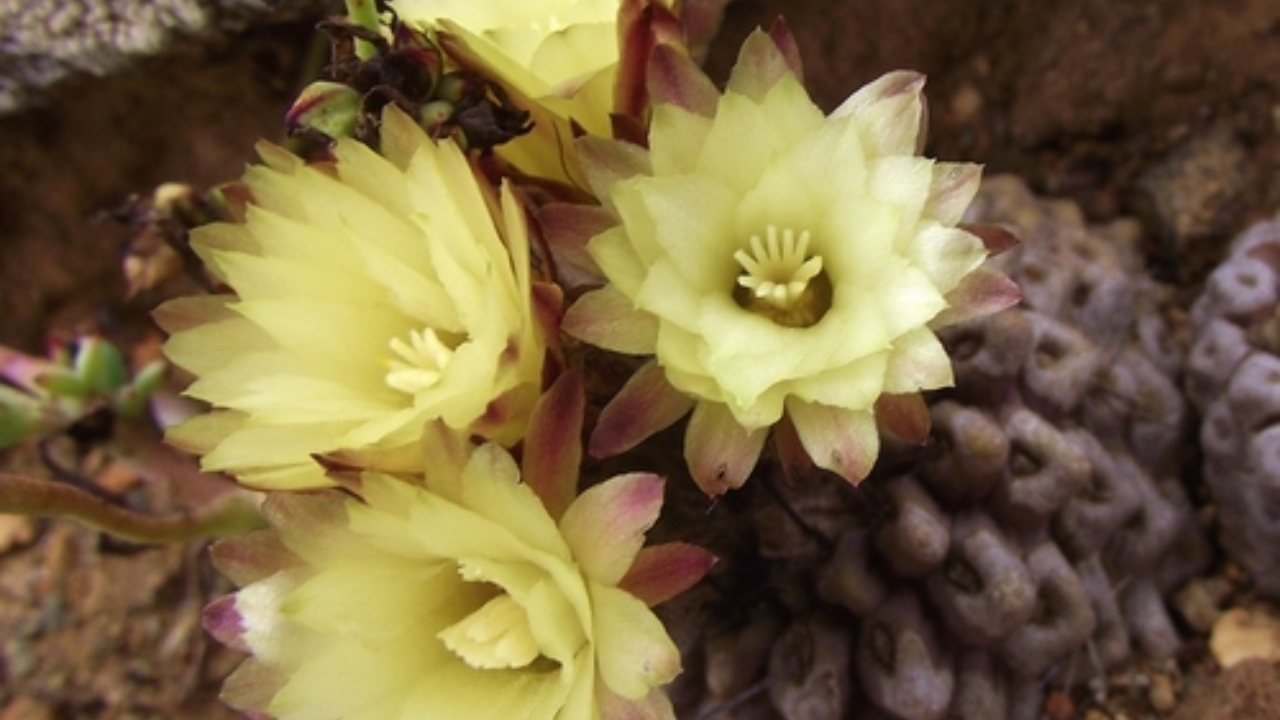
Eriosyce is a fascinating group of cacti native primarily to the dry coastal deserts and rocky hillsides of Chile. These plants are admired by cactus collectors because of their compact shapes, attractive spines, and surprisingly beautiful flowers. While some species stay small and rounded, others develop elongated stems over time. Their appearance often reflects the harsh environments where they naturally grow, making them incredibly resilient and visually striking.
One of the most interesting aspects of Eriosyce cacti is their ability to adapt to drought conditions. Many species grow slowly, storing water in thick stems while protecting themselves with dense spines. Their colors range from deep green to grayish blue, and mature plants can produce vivid flowers in shades of pink, yellow, red, or white. Because of their unusual textures and sculptural forms, they are highly valued in indoor collections, rock gardens, and desert-themed landscapes.
Although they are considered relatively hardy, Eriosyce cacti require specific care conditions to thrive. Understanding their natural habitat is the key to successfully growing them at home.
Choosing the Right Location for Eriosyce Cactus
Proper placement plays a major role in the health of an Eriosyce cactus. These plants love bright conditions and generally perform best in locations that mimic their natural desert environment. Outdoors, they grow well in sunny patios, balconies, rock gardens, or greenhouse settings. Indoors, they should be placed near the brightest window available.
Morning sunlight is especially beneficial because it encourages healthy growth without exposing the plant to the most intense afternoon heat. In cooler climates, full sun can be tolerated for much of the day. However, in extremely hot regions, some protection during peak afternoon hours may help prevent sunburn or stress.
Air circulation is equally important. Stagnant, humid air can increase the risk of fungal diseases and rot. Whether grown indoors or outside, make sure the cactus is placed in a well-ventilated area where excess moisture can evaporate quickly.
If you notice the cactus stretching or leaning toward light, it is a sign that it needs brighter conditions. Gradually increasing sun exposure can restore compact and healthy growth.
Sunlight Requirements for Healthy Growth
Sunlight is one of the most essential factors in maintaining a strong and attractive Eriosyce cactus. Most species prefer at least four to six hours of direct sunlight daily. Bright light encourages compact growth, vibrant spine coloration, and improved flowering.
Indoor growers often struggle with insufficient lighting. If natural sunlight is limited, supplemental grow lights can help maintain healthy development. Full-spectrum LED grow lights positioned above the cactus for several hours daily can make a significant difference during winter or cloudy seasons.
When moving an Eriosyce cactus from shade to full sun, gradual acclimation is important. Sudden exposure to harsh sunlight may cause discoloration or sunburn. Introduce stronger light slowly over one to two weeks to help the plant adapt safely.
During winter, many species appreciate bright conditions even while dormant. Reduced daylight during colder months may slightly slow growth, which is completely normal for desert cacti.
Best Soil for Eriosyce Cactus
Fast-draining soil is absolutely essential for Eriosyce cactus care. In nature, these plants grow in rocky, mineral-rich environments where water drains away rapidly. Standard potting soil retains too much moisture and can easily cause root rot.
A high-quality cactus or succulent mix works well as a base, but improving drainage with additional mineral materials is highly recommended. Ingredients such as pumice, coarse sand, lava rock, perlite, or crushed granite help create an airy and fast-draining structure.
An ideal soil blend often contains more mineral material than organic matter. The roots need oxygen as much as they need moisture, and compacted soil can suffocate the plant over time.
Containers should always have drainage holes at the bottom. Terracotta pots are especially useful because they allow excess moisture to evaporate more efficiently than plastic containers.
Repotting is usually only necessary every few years because Eriosyce cacti grow slowly. When repotting, handle the roots gently and avoid watering immediately afterward. Allowing the roots to settle for several days reduces the risk of rot or transplant shock.
Proper Watering Techniques
Watering is one of the most misunderstood aspects of cactus care. Although Eriosyce cacti are drought-tolerant, they still require occasional deep watering during active growth periods.
The most important rule is to let the soil dry out completely between waterings. Overwatering is far more dangerous than underwatering. Soggy soil can quickly lead to root rot, fungal infections, and stem damage.
During spring and summer, water thoroughly whenever the soil becomes fully dry. This usually means soaking the soil until water drains from the bottom of the pot. Afterward, allow the soil to dry completely before watering again.
In autumn, gradually reduce watering frequency as the cactus prepares for dormancy. During winter, many Eriosyce species need very little moisture, especially in cooler conditions. Some growers water only lightly once every few weeks or stop watering entirely during cold dormancy periods.
Environmental conditions greatly affect watering schedules. Plants in hot outdoor locations dry faster than those kept indoors. Humidity, airflow, pot size, and soil composition also influence moisture retention.
Wrinkling or slight softness may indicate thirst, while yellowing, mushiness, or black spots often suggest overwatering.
Temperature and Humidity Needs
Eriosyce cacti prefer warm temperatures and dry air. Most species thrive in daytime temperatures between 70°F and 90°F during active growth. However, they can tolerate cooler conditions surprisingly well when kept dry.
Winter dormancy is important for many species because it encourages healthy growth and flowering in the following season. During winter, temperatures between 45°F and 60°F are often ideal if the soil remains mostly dry.
Frost tolerance varies depending on the species. Some Eriosyce cacti can survive brief cold spells, while others are more sensitive to freezing temperatures. In areas with harsh winters, container-grown plants should be moved indoors or protected inside a greenhouse.
Humidity should remain low whenever possible. Excess humidity combined with poor airflow creates ideal conditions for fungal problems. Avoid placing the cactus in damp rooms or areas with constantly moist air.
Fertilizing Eriosyce Cactus
Although Eriosyce cacti are not heavy feeders, occasional fertilizing can support healthier growth and flowering. A diluted cactus fertilizer applied during the active growing season is usually sufficient.
Use a balanced or low-nitrogen fertilizer once every four to six weeks during spring and summer. Too much nitrogen can encourage weak, overly soft growth that becomes more vulnerable to disease and pests.
Liquid fertilizers diluted to half strength are often safer than strong concentrated formulas. Always apply fertilizer to slightly moist soil rather than completely dry roots.
Fertilizing should stop during autumn and winter dormancy. Feeding a dormant cactus may disrupt its natural growth cycle and lead to unhealthy growth patterns.
Encouraging Flowers on Eriosyce Cactus
Flowering is one of the most rewarding aspects of growing Eriosyce cacti. Mature plants can produce stunning blooms that contrast beautifully with their rugged appearance.
Proper sunlight is one of the biggest factors influencing flowering. Plants receiving insufficient light may survive but fail to bloom consistently. Seasonal dormancy also plays a major role. Cooler winter temperatures combined with reduced watering help signal the plant to prepare for flowering in spring or summer.
Patience is important because many Eriosyce species grow slowly and may take several years to mature enough for flowering. Once established, healthy plants often bloom annually under suitable conditions.
Avoid excessive fertilizer or constant watering, as overly rich conditions may encourage vegetative growth instead of flowers.
Common Problems and How to Prevent Them
Like most cacti, Eriosyce species are relatively low-maintenance when their environmental needs are met. However, several common problems can still occur.
Root rot is the most serious issue and is usually caused by overwatering or poor drainage. Soft stems, discoloration, and foul odors are warning signs that immediate action is needed. Removing damaged roots and repotting into dry, fresh soil may save the plant if caught early.
Mealybugs and spider mites occasionally attack stressed plants. Regular inspection helps detect pests before infestations become severe. Insecticidal soap or rubbing alcohol treatments are often effective for minor outbreaks.
Sunburn can appear as pale or brown patches on the cactus surface. Gradual light acclimation helps prevent this issue when increasing sun exposure.
Etiolation, or stretched growth, occurs when the cactus does not receive enough light. Providing brighter conditions restores healthier growth over time.
Final Thoughts on Growing Eriosyce Cactus
Eriosyce cacti are exceptional plants for collectors and desert plant enthusiasts who appreciate unique textures, dramatic spines, and beautiful flowers. Their slow-growing nature and sculptural appearance make them ideal for container gardening, windowsill displays, and specialized cactus collections.
Success with these cacti depends largely on replicating their natural desert conditions. Bright sunlight, fast-draining soil, careful watering, and proper winter dormancy all contribute to long-term health and flowering.
While they may require patience due to their slow growth, Eriosyce cacti reward growers with remarkable beauty and resilience. With proper care and attention, these extraordinary desert plants can thrive for many years and become standout pieces in any cactus collection.
