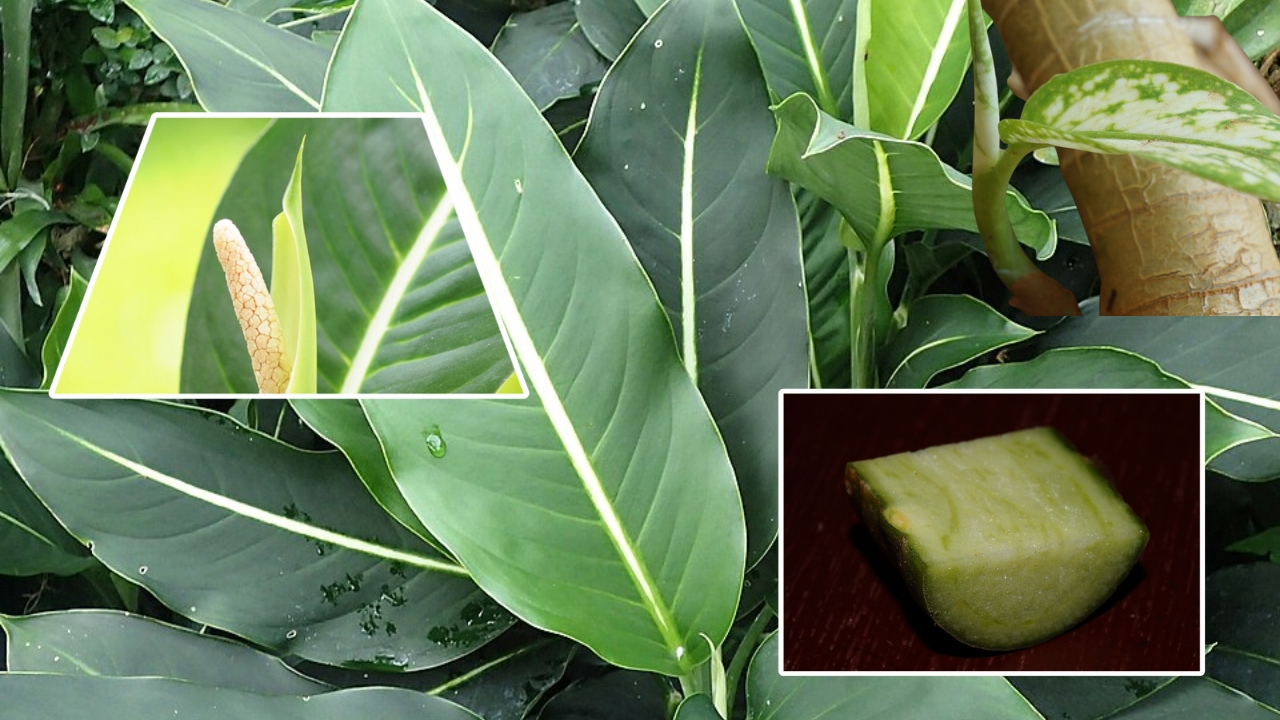
Dieffenbachia, commonly known as dumb cane, is one of the most recognizable and widely grown indoor plants thanks to its lush, tropical appearance and relatively easy care requirements. Its large, broad leaves are beautifully patterned with shades of green, cream, and yellow, making it an eye-catching addition to homes and offices alike. Native to the tropical regions of Central and South America, this plant thrives in warm, humid environments, which can be easily recreated indoors with a bit of attention.
Aside from its visual appeal, Dieffenbachia is appreciated for its adaptability. It can tolerate a range of indoor conditions, making it suitable even for beginners. However, despite its hardy nature, understanding its specific needs will help the plant truly flourish and maintain its vibrant foliage.
Ideal Growing Conditions for Dieffenbachia
Creating the right environment is essential for keeping Dieffenbachia healthy. This plant prefers bright, indirect light. Direct sunlight can scorch its leaves, while too little light may cause the variegation to fade and growth to slow. Placing it near a window with filtered light is usually ideal.
Temperature plays a significant role in its well-being. Dieffenbachia thrives in temperatures between 18°C and 30°C. It is sensitive to cold drafts and sudden temperature changes, which can lead to leaf drop. Maintaining a stable indoor climate is key.
Humidity is another important factor. Since it originates from tropical regions, Dieffenbachia enjoys moderate to high humidity levels. If the air in your home is dry, especially during winter, occasional misting or placing a humidity tray nearby can help maintain the moisture it needs.
Soil and Potting Requirements
The right soil mix ensures proper drainage and root health. Dieffenbachia prefers a well-draining, nutrient-rich potting mix. A blend of peat, perlite, and standard houseplant soil works well to retain moisture without becoming waterlogged.
Choosing the right pot is equally important. Containers with drainage holes prevent excess water from accumulating at the bottom, which can lead to root rot. Repotting is generally needed every one to two years or when the plant becomes root-bound. When repotting, selecting a pot slightly larger than the current one encourages continued growth without overwhelming the roots.
Watering Schedule and Best Practices
Watering is one of the most crucial aspects of Dieffenbachia care. The plant prefers consistently moist soil but does not tolerate soggy conditions. A good rule of thumb is to water when the top inch of soil feels dry to the touch.
Overwatering is a common mistake and can cause root rot, while underwatering may lead to drooping leaves and dry edges. It is important to adjust watering frequency based on the season. During warmer months, the plant may require more frequent watering, while in cooler months, its needs decrease.
Using room-temperature water helps avoid shocking the roots. Additionally, ensuring that excess water drains out completely prevents long-term damage.
Fertilizing for Healthy Growth
To support its lush foliage, Dieffenbachia benefits from regular feeding during its growing season, which typically spans spring and summer. A balanced liquid houseplant fertilizer applied every four to six weeks is usually sufficient.
Over-fertilizing should be avoided, as it can lead to salt buildup in the soil and damage the roots. During the dormant period in fall and winter, fertilizing can be reduced or stopped altogether, as the plant’s growth naturally slows.
Observing the plant’s response to feeding can help fine-tune your approach. Healthy, vibrant leaves are a good sign that the plant is receiving adequate nutrients.
Pruning and Maintenance Tips
Regular maintenance helps keep Dieffenbachia looking its best. Pruning is primarily done to remove yellowing or damaged leaves and to control the plant’s size. Cutting back leggy growth can encourage a fuller, bushier appearance.
Cleaning the leaves is another important task. Dust can accumulate on the large surfaces, reducing the plant’s ability to photosynthesize effectively. Wiping the leaves gently with a damp cloth restores their shine and health.
It is also important to rotate the plant occasionally so that all sides receive equal light. This prevents uneven growth and keeps the plant balanced.
How to Propagate Dieffenbachia Successfully
Propagation is a rewarding way to expand your plant collection or share it with others. Dieffenbachia can be propagated through stem cuttings, which is a relatively simple process.
To begin, select a healthy stem and cut a հատված with at least one node. This cutting can be placed in water or directly into moist soil. If rooting in water, ensure that the node is submerged while the leaves remain above the surface. Roots typically develop within a few weeks.
Once the roots are well established, the cutting can be transferred to soil if it was started in water. Keeping the environment warm and humid speeds up the rooting process and increases the chances of success.
Common Problems and How to Fix Them
Like any houseplant, Dieffenbachia may encounter a few issues. Yellowing leaves are often a sign of overwatering or poor drainage. Adjusting the watering routine and ensuring proper soil conditions usually resolves this problem.
Brown leaf tips can indicate low humidity or inconsistent watering. Increasing humidity and maintaining a steady watering schedule can help restore the plant’s health.
Pests such as spider mites and aphids may occasionally appear. Regular inspection and gentle cleaning, along with natural insecticidal solutions if necessary, can keep infestations under control.
Drooping leaves may signal stress from temperature changes, improper watering, or inadequate light. Identifying and correcting the underlying cause is essential for recovery.
Safety Considerations When Growing Dumb Cane
While Dieffenbachia is a beautiful plant, it is important to handle it with care. The sap contains compounds that can cause irritation if ingested or if it comes into contact with skin. This is why it is commonly referred to as dumb cane, as ingestion can temporarily affect speech.
Keeping the plant out of reach of pets and children is strongly recommended. Wearing gloves while pruning or handling the plant can prevent skin irritation. Washing hands thoroughly after contact is also a good practice.
Being mindful of these precautions allows you to enjoy the plant safely without concern.
Styling and Decorating with Dieffenbachia Indoors
Dieffenbachia’s bold foliage makes it a standout decorative element in any indoor space. It works well as a statement plant in living rooms, offices, or entryways. Its upright growth habit allows it to fill vertical space effectively.
Pairing it with neutral pots or modern planters enhances its visual appeal. It can also be combined with other houseplants to create a lush indoor garden effect. Positioning it in well-lit corners or near furniture adds a touch of nature and freshness to the environment.
Its versatility in styling makes it a favorite among interior plant enthusiasts who want both beauty and ease of care.
Conclusion
Dieffenbachia is an excellent choice for anyone looking to add a touch of tropical elegance to their indoor space. With the right balance of light, water, and care, it can thrive and remain a vibrant centerpiece for years. Understanding its needs, from proper watering to occasional pruning and propagation, ensures a healthy and attractive plant.
Whether you are a beginner or an experienced plant lover, Dieffenbachia offers a rewarding growing experience. By paying attention to its environment and responding to its signals, you can enjoy the lush beauty of this classic houseplant with minimal effort.
