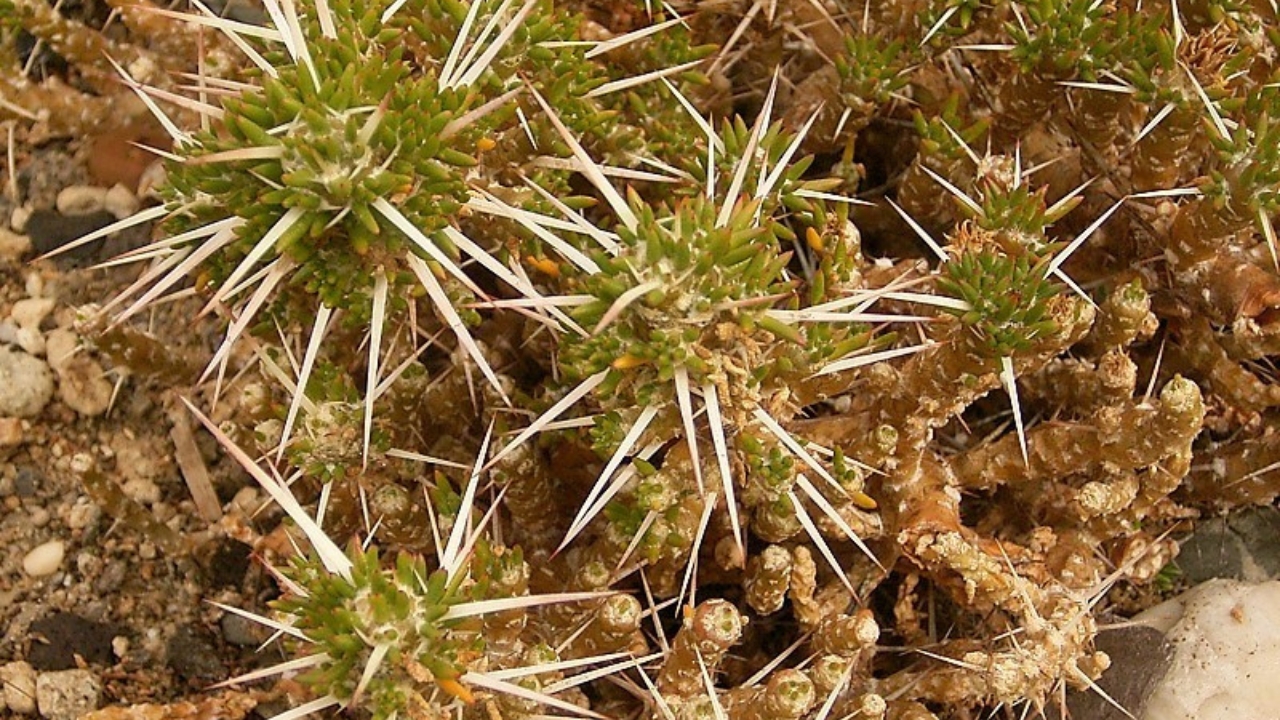
Maihuenia is one of the most unusual cactus genera in the plant world. Native to the cold and windswept regions of southern South America, particularly in parts of Chile and Argentina, these low-growing cacti form dense cushions that spread across rocky landscapes. Unlike the tall columnar cacti or round desert species that many gardeners recognize instantly, Maihuenia develops compact mats of succulent stems covered with small leaves and spines.
Its distinctive appearance makes it highly desirable among cactus collectors and alpine plant enthusiasts. The plant is adapted to challenging environments where temperatures fluctuate dramatically, soils remain poor, and moisture availability changes throughout the year. Understanding these natural conditions is the key to cultivating healthy and vigorous specimens at home.
Choosing the Right Growing Location
Selecting an appropriate growing location is one of the most important factors in successful Maihuenia cultivation. Because these plants naturally grow in open habitats with abundant sunlight, they thrive when provided with bright conditions throughout the day.
Outdoor cultivation is ideal in regions with dry climates and cool winters. Gardeners living in areas with excessive humidity may achieve better results by growing Maihuenia in containers where environmental conditions can be controlled more easily.
When grown indoors, place the plant near a south-facing or west-facing window that receives several hours of direct sunlight daily. Insufficient light often causes weak growth, poor coloration, and reduced flowering potential. Supplemental grow lights can help maintain healthy development when natural sunlight is limited.
Good air circulation is equally important. Stagnant, humid conditions encourage fungal problems and reduce the plant’s overall vigor.
Soil Requirements for Healthy Growth
Maihuenia requires exceptionally well-draining soil. In its natural habitat, water moves rapidly through rocky and gravel-rich substrates, preventing the roots from remaining wet for extended periods.
A cactus mix alone is often not sufficient. The growing medium should contain large amounts of mineral material such as pumice, coarse sand, crushed granite, lava rock, or grit. These ingredients improve drainage and mimic the plant’s native environment.
An ideal soil blend may consist of approximately equal parts cactus soil and inorganic materials. The finished mix should feel loose and airy rather than dense and moisture-retentive.
Avoid using heavy garden soil, clay-based mixes, or compost-rich potting media. Excessive organic matter tends to hold water, increasing the risk of root rot and other moisture-related issues.
Watering Maihuenia Correctly
Proper watering is perhaps the most critical aspect of Maihuenia care. Although the plant can tolerate drought remarkably well, excessive moisture is one of the primary causes of failure among growers.
During the active growing season in spring and summer, water thoroughly and then allow the soil to dry completely before watering again. This approach encourages healthy root development while preventing waterlogged conditions.
The frequency of watering depends on temperature, humidity, pot size, and soil composition. Rather than following a strict schedule, monitor the soil carefully and water only when it becomes completely dry.
As temperatures cool in autumn, gradually reduce watering. During winter dormancy, watering should be minimal. In many climates, mature plants may require only occasional moisture during the cold season.
Overwatering symptoms include soft stems, discoloration, yellowing tissue, and root deterioration. If any of these signs appear, reduce watering immediately and inspect the root system.
Light and Sun Exposure
Maihuenia performs best when exposed to strong sunlight. Bright light promotes compact growth, vibrant coloration, and robust spine development.
Plants grown in insufficient light often become elongated and lose their naturally dense appearance. Flower production may also decline significantly.
Outdoor specimens can generally tolerate full sun, particularly in cooler climates. However, newly acquired plants should be introduced gradually to intense sunlight to prevent sunburn.
In regions with extremely hot summers, some afternoon protection may help reduce stress. Monitoring the plant during periods of intense heat allows growers to make adjustments if necessary.
A healthy Maihuenia typically displays compact stems, strong coloration, and steady seasonal growth when receiving adequate light.
Temperature Preferences and Cold Tolerance
One of the most fascinating characteristics of Maihuenia is its ability to tolerate cold temperatures. Unlike many desert cacti that suffer damage from frost, this genus evolved in regions where winters can be harsh and temperatures frequently drop below freezing.
Many species can withstand significant cold when kept relatively dry. This adaptation makes Maihuenia particularly appealing for gardeners seeking cold-hardy succulents.
During the growing season, temperatures ranging from mild to warm are generally ideal. Good airflow and proper watering practices help the plant cope with summer heat.
Winter protection requirements vary according to local climate conditions. While cold itself may not be problematic, prolonged exposure to wet soil during freezing weather can be damaging. Providing shelter from excessive winter moisture often improves long-term survival.
Fertilizing for Strong Development
Maihuenia is not a heavy feeder. In nutrient-poor natural habitats, these plants have adapted to survive with minimal fertilization.
Applying a diluted cactus fertilizer once or twice during the active growing season is usually sufficient. Balanced or low-nitrogen formulations tend to work best because excessive nitrogen can encourage weak, overly soft growth.
Fertilization should never compensate for inadequate light, poor drainage, or improper watering practices. Healthy cultivation begins with proper environmental conditions rather than heavy feeding.
Avoid fertilizing during winter dormancy, as the plant’s growth slows considerably during this period.
Repotting and Container Selection
Container-grown Maihuenia benefits from occasional repotting, particularly when the root system begins filling the pot. Repotting is typically best performed during spring when active growth resumes.
Choose containers with drainage holes to ensure excess water escapes quickly. Terracotta pots are often preferred because they allow additional moisture evaporation through their porous walls.
When repotting, inspect the roots carefully and remove any damaged or unhealthy sections. Allow wounds to dry before watering again.
Because Maihuenia generally grows slowly, frequent repotting is unnecessary. Many plants remain comfortable in the same container for several years when provided with suitable growing conditions.
Propagation Techniques
Maihuenia can be propagated through seeds or stem divisions, depending on the species and availability of plant material.
Seed propagation allows growers to raise multiple plants and observe natural growth development from an early stage. Fresh seeds typically germinate more reliably when sown in a well-draining medium and maintained under bright conditions.
Division is often the fastest propagation method. Sections of established cushions can be separated carefully and allowed to dry before planting. This drying period helps prevent infection and promotes successful rooting.
Newly propagated plants should be watered sparingly until signs of active growth appear.
Patience is essential, as Maihuenia often establishes gradually before accelerating growth over time.
Encouraging Flowering
Flower production is one of the rewards of proper Maihuenia cultivation. The attractive blossoms provide seasonal color and enhance the plant’s ornamental value.
Adequate sunlight is among the most important factors influencing flowering. Plants receiving abundant light generally produce more blooms than those grown in shaded conditions.
A natural seasonal cycle with cooler winter temperatures and reduced watering often encourages bud formation. Consistent care throughout the year strengthens the plant and improves its flowering potential.
Avoid excessive fertilization, as overly lush vegetative growth can sometimes reduce blooming performance.
Healthy, mature specimens are more likely to flower regularly than young plants.
Common Problems and Solutions
Maihuenia is relatively resilient when grown under suitable conditions, but several issues can arise if environmental requirements are neglected.
Root rot remains the most common problem and is usually caused by excessive watering or poorly draining soil. Prevention through proper cultural practices is far easier than treatment.
Mealybugs and other sap-sucking pests occasionally appear, especially on indoor plants. Regular inspection allows early detection and prompt intervention.
Poor growth, stretching, or pale coloration often indicates insufficient light. Relocating the plant to a brighter position generally resolves these symptoms.
Environmental stress caused by high humidity, poor airflow, or prolonged wet conditions can also weaken the plant over time.
Long-Term Care and Maintenance
Successfully growing Maihuenia involves recreating the conditions found in its rugged native habitat. Bright sunlight, excellent drainage, moderate watering, and seasonal temperature variation form the foundation of long-term health.
As the plant matures, it develops increasingly attractive cushions that showcase its distinctive growth habit. With proper care, specimens can remain healthy and decorative for many years, becoming prized features in cactus collections, alpine gardens, and container displays.
Patience and consistency are the keys to success. By understanding the plant’s natural adaptations and respecting its need for dry, well-drained conditions, growers can enjoy vigorous growth, seasonal flowering, and the unique beauty that makes Maihuenia such a fascinating cactus genus.
