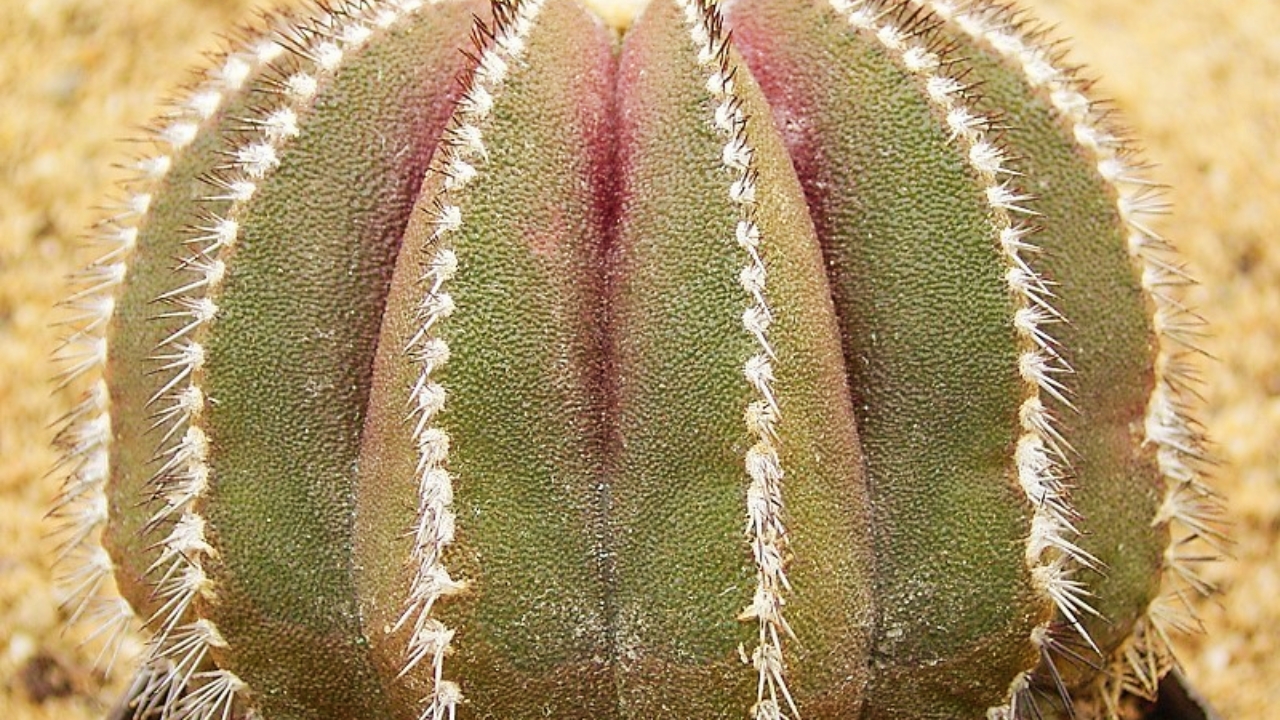
Uebelmannia is one of the most fascinating and sought-after cactus genera in the world. Native to the rocky regions of Brazil, these unique cacti are admired for their striking appearance, geometric rib patterns, and unusual coloration. Unlike many desert cacti that thrive in harsh conditions, Uebelmannia species have more specific requirements that reflect their natural habitat. Their elegant form and rarity make them prized additions to serious cactus collections.
Growing Uebelmannia successfully requires understanding its distinct needs. While it may not be the easiest cactus for beginners, dedicated growers can achieve excellent results by providing the right balance of light, warmth, moisture, and soil conditions. With proper care, these remarkable plants can remain healthy and attractive for many years.
Understanding the Natural Habitat
The natural environment of Uebelmannia plays a significant role in how it should be cultivated. These cacti originate from the mineral-rich rocky landscapes of southeastern Brazil, where they grow among quartzite formations and receive abundant sunlight. The climate is generally warm throughout the year, with seasonal rainfall and excellent drainage.
Unlike many desert cacti that experience extremely dry conditions, Uebelmannia receives periodic moisture during its active growing season. This means growers must strike a balance between keeping the plant hydrated and avoiding excessive moisture that can cause root problems. Mimicking these natural conditions is one of the keys to successful cultivation.
Choosing the Right Uebelmannia Species
Several species are commonly grown by collectors. Uebelmannia pectinifera is perhaps the most recognizable, known for its dark body color and comb-like spines. Uebelmannia gummifera and Uebelmannia buiningii are also popular among enthusiasts due to their distinctive appearances and rarity.
When purchasing a plant, choose a healthy specimen with firm tissue, vibrant coloration, and no signs of rot or pest infestation. Many Uebelmannia plants are grafted onto stronger rootstocks to improve growth and survival rates, especially when young. Grafted plants often grow faster, while mature own-root specimens are considered especially valuable by collectors.
Light Requirements for Healthy Growth
Proper lighting is essential for maintaining the compact shape and attractive coloration of Uebelmannia. These plants appreciate bright conditions and perform best when they receive several hours of sunlight each day.
In outdoor cultivation, morning sunlight combined with light afternoon protection is often ideal, particularly in regions with extremely intense summer heat. Indoor growers should place plants near the brightest available window or supplement natural light with quality grow lights.
Insufficient light can cause stretching, poor coloration, and weak growth. On the other hand, sudden exposure to intense sunlight can lead to sunburn. Gradually increasing light levels allows the plant to adapt safely and maintain its beautiful appearance.
Temperature and Climate Considerations
Uebelmannia prefers warm temperatures throughout the growing season. Daytime temperatures between 22°C and 32°C generally encourage vigorous growth. Warm nights also contribute to healthy development.
These cacti are not particularly frost tolerant and should be protected from temperatures below 10°C whenever possible. Prolonged exposure to cold conditions can damage roots and slow growth significantly.
During winter, maintaining a slightly cooler but still frost-free environment helps support the plant’s natural growth cycle. Consistent warmth combined with adequate ventilation creates ideal conditions for long-term success.
Selecting the Perfect Soil Mix
One of the most important aspects of Uebelmannia cultivation is soil composition. These plants require excellent drainage while still retaining enough moisture to support healthy root activity.
A high-quality cactus mix can serve as a foundation, but additional mineral materials are often beneficial. Ingredients such as pumice, coarse sand, lava rock, granite grit, or crushed stone improve aeration and drainage. Many experienced growers prefer a predominantly mineral-based substrate because it closely resembles the rocky soils found in the plant’s native habitat.
The goal is to create a growing medium that allows water to pass through quickly while preventing roots from remaining wet for extended periods. A well-draining mix greatly reduces the risk of rot and encourages strong root development.
Watering Techniques for Uebelmannia
Watering is often the most challenging aspect of Uebelmannia care. These cacti appreciate moisture during active growth but are highly sensitive to overwatering.
During spring and summer, water thoroughly when the soil has dried significantly between applications. Deep watering encourages roots to grow throughout the container and helps maintain plant vigor. However, avoid keeping the soil constantly moist.
As temperatures cool and growth slows in autumn, gradually reduce watering frequency. During winter dormancy, minimal watering is usually sufficient. The exact schedule will depend on climate, pot size, and growing conditions, but the general principle is to provide moisture when actively growing and much less during rest periods.
Observing the plant and soil closely is more effective than following a strict calendar schedule.
Fertilizing for Strong Development
Although Uebelmannia grows naturally in nutrient-poor environments, occasional feeding can support healthy growth and flowering. A balanced cactus fertilizer diluted to half strength works well during the active growing season.
Apply fertilizer every few weeks during spring and summer while the plant is actively growing. Excessive fertilization should be avoided because it may encourage weak, overly soft growth that is more susceptible to disease.
A moderate feeding program combined with proper light and watering usually produces the best results. Healthy plants develop strong ribs, attractive coloration, and steady growth over time.
Repotting and Root Care
Repotting should generally be performed every few years or when the plant outgrows its container. Spring is often the best time because the plant is preparing to enter its active growth phase.
Carefully remove the cactus from its pot and inspect the root system. Healthy roots should appear firm and free from rot. Any damaged or dead roots can be trimmed using clean tools before repotting.
After repotting, allow the plant to rest for several days before watering. This waiting period gives any damaged roots time to heal and reduces the likelihood of infection.
Choosing a container with adequate drainage holes is equally important. Good drainage remains one of the most effective safeguards against root problems.
Propagation Methods
Propagating Uebelmannia can be challenging compared to many other cactus species. Seeds are the most common propagation method and are often preferred by dedicated collectors.
Fresh seeds typically provide the best germination rates. They should be sown on a sterile, well-draining substrate and kept warm with moderate humidity. Germination may take several weeks depending on conditions.
Because seedlings grow relatively slowly and can be sensitive during their early stages, patience is required. Many growers graft young seedlings onto vigorous rootstocks to accelerate development and improve survival.
Propagation through offsets is generally uncommon because most species produce few or no natural offsets.
Flowering and Long-Term Maintenance
Mature Uebelmannia plants can produce attractive flowers under favorable conditions. While the blooms may not be as large or dramatic as those of some other cactus species, they add an extra layer of interest to these already remarkable plants.
Achieving flowering often requires several years of proper care. Consistent light, balanced watering, suitable temperatures, and overall plant health all contribute to successful blooming.
Long-term maintenance involves regular monitoring, seasonal adjustments, and prompt attention to any developing issues. Healthy specimens can remain attractive for decades when properly cared for.
Common Pests and Problems
Like many cacti, Uebelmannia may occasionally encounter pests such as mealybugs, scale insects, or spider mites. Regular inspection helps identify infestations before they become severe.
Mealybugs often hide around roots and stem crevices, making early detection important. Insecticidal treatments or manual removal can usually control minor infestations effectively.
Root rot remains the most serious threat. This problem typically results from excessive moisture, poor drainage, or prolonged cold conditions. Prevention through proper cultural practices is far easier than attempting to save a severely affected plant.
Yellowing, soft tissue, or unusual discoloration may indicate watering issues, nutrient imbalances, or environmental stress. Identifying the cause early greatly improves the chances of recovery.
Conclusion
Growing Uebelmannia successfully is a rewarding experience for cactus enthusiasts who appreciate rare and distinctive plants. These Brazilian cacti require more attention than many common species, but their extraordinary appearance makes the effort worthwhile. By providing bright light, warm temperatures, excellent drainage, careful watering, and appropriate seasonal care, growers can cultivate healthy specimens that thrive for many years.
Whether grown on their own roots or grafted onto a compatible rootstock, Uebelmannia remains one of the most captivating genera in the cactus world. With patience, observation, and a commitment to meeting its unique needs, this remarkable cactus can become a true centerpiece of any succulent collection.
