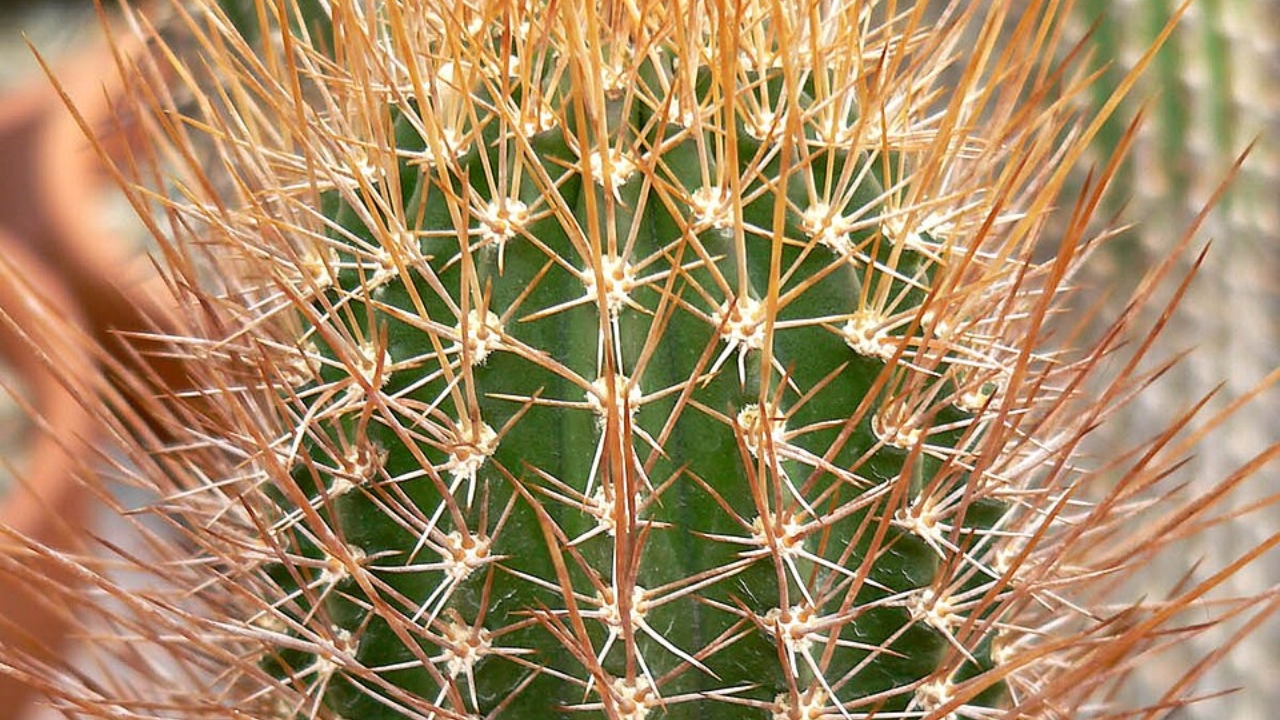
Jasminocereus is a fascinating cactus genus native to the Galápagos Islands. Known for its tall, tree-like appearance and impressive growth habit, this cactus has become increasingly popular among collectors and succulent enthusiasts. In its natural habitat, Jasminocereus can reach remarkable heights and develop multiple branching stems that create a striking landscape feature. Although it is relatively uncommon in cultivation compared to other cactus species, it rewards growers with unique architectural beauty and excellent adaptability when provided with proper care.
Growing Jasminocereus successfully requires understanding its native environment and providing conditions that mimic its natural habitat. With the right combination of sunlight, soil, watering, and maintenance, this cactus can thrive for many years and become a standout specimen in any collection.
Understanding the Natural Habitat of Jasminocereus
The Galápagos Islands provide a warm, dry climate with abundant sunlight and well-draining volcanic soils. Jasminocereus has adapted to survive in these challenging conditions by storing water in its thick stems and developing a robust root system capable of efficiently absorbing moisture when available.
Understanding these natural adaptations helps growers recreate suitable growing conditions. The cactus prefers warm temperatures, excellent drainage, and plenty of direct sunlight. It also tolerates periods of drought exceptionally well, making it a relatively low-maintenance plant once established.
Choosing the Ideal Growing Location
Selecting the right location is one of the most important factors for healthy growth. Jasminocereus performs best in areas that receive abundant sunlight throughout the day. Outdoor plants thrive in sunny gardens, rockeries, or desert-style landscapes where they receive at least six to eight hours of direct sunlight daily.
For indoor cultivation, place the cactus near a bright south-facing or west-facing window where sunlight is plentiful. If natural light is insufficient, supplemental grow lights can help maintain healthy growth and prevent stretching or weak stems.
Proper air circulation is equally important. Good airflow helps reduce the risk of fungal diseases and promotes stronger growth.
Soil Requirements for Healthy Development
Like most cacti, Jasminocereus requires fast-draining soil that prevents excess moisture from accumulating around the roots. Heavy garden soils that retain water can quickly lead to root rot and other problems.
A specialized cactus or succulent potting mix works well for container cultivation. Many growers improve drainage further by adding coarse sand, pumice, lava rock, or perlite. The goal is to create a growing medium that allows water to pass through rapidly while still providing enough support for the plant.
When planting outdoors, choose locations with naturally sandy or rocky soil. Raised beds can also improve drainage in areas where heavy soils are unavoidable.
Watering Jasminocereus Correctly
Watering is often the most misunderstood aspect of cactus care. Jasminocereus prefers deep but infrequent watering rather than frequent shallow applications.
During the active growing season in spring and summer, water thoroughly whenever the soil becomes completely dry. Allow excess water to drain freely and avoid leaving the plant in standing water. The exact watering frequency depends on temperature, humidity, pot size, and growing conditions.
As temperatures cool in autumn and winter, significantly reduce watering. The cactus enters a slower growth phase during this period and requires much less moisture. Overwatering during winter is one of the most common causes of root problems.
A simple rule is to check the soil before watering. If any moisture remains, wait a few more days before watering again.
Temperature and Climate Preferences
Jasminocereus thrives in warm climates and prefers temperatures ranging between 65°F and 90°F (18°C to 32°C). Consistent warmth encourages active growth and overall vigor.
While mature specimens can tolerate brief periods of cooler temperatures, prolonged exposure to frost can cause severe damage. In regions with cold winters, container-grown plants should be moved indoors or protected when temperatures approach freezing.
Maintaining stable temperatures and avoiding sudden fluctuations helps minimize stress and promotes healthier development throughout the year.
Fertilizing for Strong Growth
Although Jasminocereus is not a heavy feeder, periodic fertilization can support stronger growth and improved overall health. During the active growing season, apply a balanced cactus fertilizer at half strength every four to six weeks.
Low-nitrogen fertilizers are generally preferred because excessive nitrogen can encourage weak, overly soft growth that is more susceptible to disease and structural damage.
Avoid fertilizing during winter dormancy, as the plant’s nutrient requirements decrease significantly during this time. Resuming fertilization in spring helps stimulate new growth as temperatures rise.
Repotting and Long-Term Maintenance
Container-grown Jasminocereus benefits from occasional repotting as it matures. Young plants may require repotting every two to three years, while larger specimens can remain in the same container for longer periods.
Choose a sturdy pot with drainage holes and enough room to accommodate future root growth. When repotting, inspect the roots for signs of rot or damage and remove any unhealthy portions with clean tools.
After repotting, allow the plant to rest for several days before watering. This waiting period gives any damaged roots time to heal and reduces the risk of infection.
Regular maintenance includes removing damaged stems, monitoring for pests, and ensuring the plant continues to receive adequate sunlight.
Propagating Jasminocereus from Seeds
Seed propagation is one of the most common methods for growing new Jasminocereus plants. Fresh seeds generally provide the highest germination rates.
Fill shallow trays with a well-draining seed-starting mix and lightly scatter the seeds across the surface. Cover them with a thin layer of fine soil or sand and mist gently to maintain moisture.
Place the tray in a warm location with bright indirect light. Germination may take several weeks depending on environmental conditions. Once seedlings develop sufficient size and strength, they can be transplanted into individual containers.
Growing from seed requires patience but offers the opportunity to observe the plant’s development from its earliest stages.
Propagation Through Cuttings
Mature Jasminocereus specimens occasionally produce branches that can be used for propagation. This method is generally faster than growing from seed.
Using a sterile cutting tool, remove a healthy stem section and allow the cut end to dry and form a callus. This process may take several days depending on humidity and temperature.
Once callused, place the cutting in a dry, well-draining cactus mix. Avoid watering immediately. After roots begin to develop, gradually introduce normal watering practices.
Cutting propagation often results in faster establishment and growth compared to seedlings.
Common Problems and Solutions
Jasminocereus is generally resilient, but certain issues can arise if growing conditions are not ideal. Overwatering remains the most common problem and can lead to root rot, stem discoloration, and soft tissue.
Insufficient sunlight may cause elongated, weak growth as the plant stretches toward available light. Relocating the cactus to a brighter position usually corrects this issue.
Pests such as mealybugs, scale insects, and spider mites occasionally affect plants. Early detection and prompt treatment help prevent serious infestations.
Regular inspections allow growers to identify potential problems before they become severe.
Expert Tips for Successful Cultivation
Successful cultivation begins with prioritizing drainage and sunlight. Always choose a fast-draining growing medium and avoid excessive watering. Providing abundant light encourages compact growth and stronger stems.
Patience is also important. Jasminocereus can grow steadily over time, but it may take several years to develop the dramatic tree-like form seen in mature specimens. Consistent care and stable growing conditions yield the best long-term results.
Keeping detailed notes on watering schedules, fertilization, and seasonal growth patterns can help fine-tune care practices and improve success over time.
Conclusion
Jasminocereus is a remarkable cactus that combines unique beauty, impressive structure, and relatively straightforward care requirements. By providing plenty of sunlight, excellent drainage, careful watering, and occasional feeding, growers can enjoy healthy plants that thrive for decades. Whether grown from seed or propagated through cuttings, this distinctive Galápagos cactus offers a rewarding experience for both beginners and experienced cactus enthusiasts. With patience and proper care, Jasminocereus can become a stunning centerpiece in any cactus collection or desert-inspired garden.
