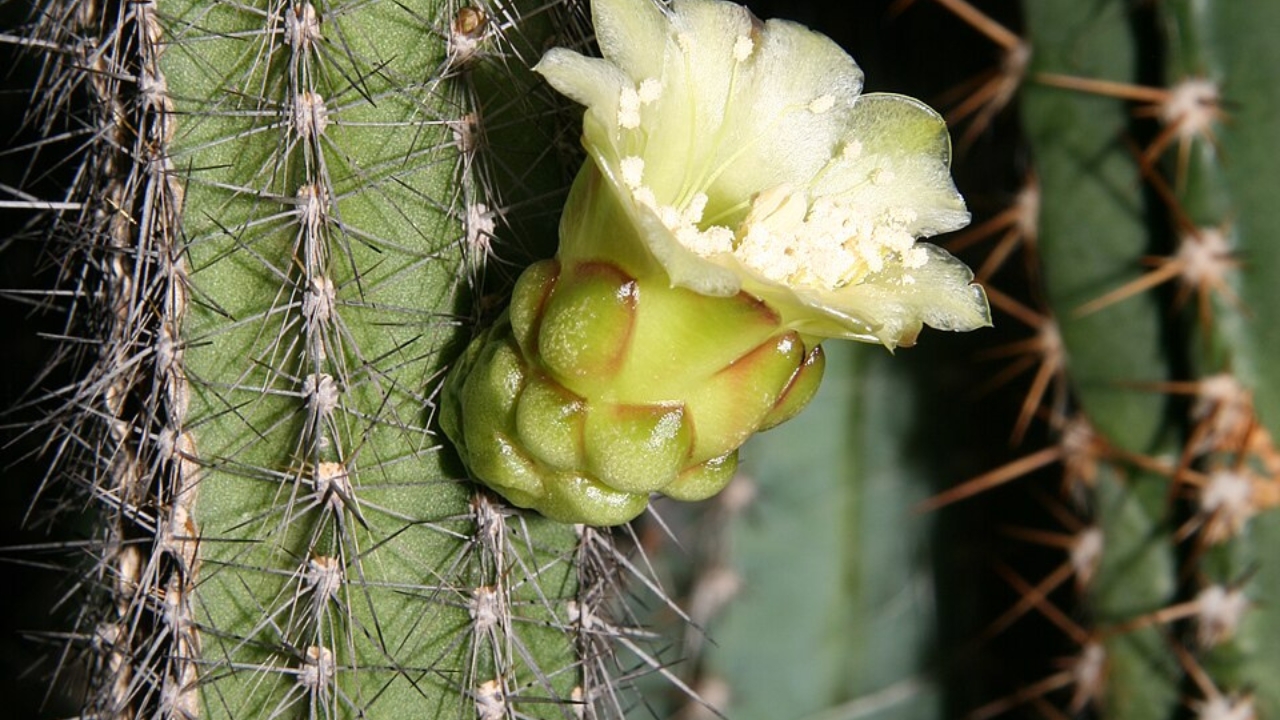
Brasilicereus is a fascinating genus of columnar cacti native to Brazil. Known for its striking appearance, upright growth habit, and adaptability to warm climates, this rare cactus has become increasingly popular among collectors and succulent enthusiasts. While it is not as commonly cultivated as some well-known cactus species, Brasilicereus offers a unique combination of architectural beauty and relatively simple care requirements.
In its natural habitat, Brasilicereus thrives in regions that experience warm temperatures, seasonal rainfall, and abundant sunlight. Understanding these environmental conditions is the key to successfully growing this remarkable cactus at home. Whether you are a beginner or an experienced cactus grower, learning the proper techniques for planting, watering, and maintaining Brasilicereus will help you cultivate a healthy and impressive specimen.
Understanding the Natural Habitat
Brasilicereus originates from various parts of Brazil, where it grows in rocky soils and open landscapes with excellent drainage. The climate in these regions is generally warm throughout the year, with periods of rainfall followed by drier seasons.
Because of its native environment, Brasilicereus has evolved to store water efficiently within its stems. This adaptation allows it to survive extended periods of drought while continuing to grow steadily when favorable conditions return. Replicating these natural conditions in cultivation is essential for long-term success.
Growers should focus on providing bright light, fast-draining soil, and moderate watering schedules that mimic seasonal rainfall patterns. When these needs are met, Brasilicereus can thrive for many years and become an impressive focal point in any collection.
Choosing the Right Growing Location
Selecting the proper location is one of the most important aspects of caring for Brasilicereus. This cactus prefers bright environments with plenty of sunlight throughout the day.
Outdoor cultivation is ideal in warm climates where temperatures remain above freezing. A location that receives at least six to eight hours of direct sunlight daily promotes strong growth and healthy stem development. In extremely hot regions, some light afternoon shade can help prevent excessive stress during peak summer temperatures.
For indoor growers, placing the cactus near a south-facing or west-facing window usually provides sufficient light. If natural sunlight is limited, supplemental grow lights can help maintain healthy growth and prevent stretching.
Proper air circulation is equally important. Good airflow reduces excess moisture around the plant and helps prevent fungal issues.
Soil Requirements for Healthy Growth
Like most cacti, Brasilicereus requires exceptionally well-draining soil. Heavy soils that retain moisture for long periods can quickly lead to root rot and other serious problems.
A quality cactus mix works well as a foundation, but many growers improve drainage further by adding coarse sand, pumice, perlite, or small gravel. The goal is to create a growing medium that allows water to pass through rapidly while still retaining a small amount of moisture for root absorption.
Containers should always have drainage holes. Excess water must be able to escape freely after watering. Decorative pots without drainage should be avoided unless they are used as outer containers for properly potted plants.
A loose, airy soil structure encourages healthy root development and supports vigorous growth over time.
Watering Brasilicereus Correctly
Proper watering is one of the most critical factors in successful cactus cultivation. Brasilicereus prefers a deep but infrequent watering approach.
During the active growing season, typically spring through early autumn, water thoroughly whenever the soil becomes completely dry. This allows the roots to absorb moisture while preventing prolonged wet conditions.
The frequency of watering depends on factors such as temperature, humidity, sunlight exposure, and pot size. Plants grown outdoors in warm weather may require more frequent watering than those grown indoors.
During winter, growth slows significantly and water requirements decrease. At this time, watering should be reduced substantially. Overwatering during dormancy is one of the most common causes of root problems and plant decline.
Always check soil moisture before watering rather than following a rigid schedule.
Light and Temperature Needs
Brasilicereus flourishes in bright, sunny conditions. Strong light supports healthy stem formation, vibrant coloration, and compact growth.
Gradual acclimation is recommended when introducing a plant to direct sunlight. Sudden exposure after a period of shade can cause sunburn, resulting in discolored or damaged tissue.
Warm temperatures are generally preferred. The cactus performs best when daytime temperatures remain between 20°C and 35°C. It can tolerate higher temperatures when provided with adequate airflow and occasional moisture.
Cold tolerance varies depending on the species and growing conditions. However, prolonged exposure to freezing temperatures should be avoided. In regions with cold winters, container-grown plants should be moved indoors or protected from frost.
Maintaining stable environmental conditions contributes significantly to long-term health and growth.
Fertilizing for Strong Development
Although Brasilicereus can survive in nutrient-poor soils, occasional feeding encourages stronger growth and healthier development.
A balanced cactus fertilizer applied during the active growing season is generally sufficient. Fertilization once every four to six weeks during spring and summer helps support new growth without overwhelming the plant.
Avoid excessive nitrogen, as it can promote soft, weak growth that becomes more susceptible to disease and structural problems.
No fertilizer is usually needed during winter dormancy. Allowing the plant to rest naturally during this period contributes to stronger growth when the growing season resumes.
Moderation is key when fertilizing cacti. Small amounts applied consistently often produce better results than heavy feeding.
Propagation Methods
Brasilicereus can be propagated through seeds and stem cuttings. Each method offers unique advantages depending on the grower’s goals.
Seed propagation allows enthusiasts to experience the entire growth process from germination onward. Fresh seeds typically produce the best results. They should be sown in a sterile, well-draining medium and kept warm with consistent moisture until germination occurs.
Stem cuttings provide a faster route to obtaining mature plants. Healthy sections can be removed from established specimens and allowed to dry for several days before planting. This drying period enables a protective callus to form over the cut surface.
Once planted in suitable soil, rooted cuttings often establish themselves quickly and begin producing new growth under favorable conditions.
Patience is important regardless of the propagation method chosen.
Common Problems and Solutions
Brasilicereus is generally resilient, but it can encounter several issues if growing conditions are unsuitable.
Overwatering remains the most common problem. Symptoms include yellowing stems, soft tissue, and root decay. Improving drainage and reducing watering frequency usually resolves the issue.
Insufficient light may cause elongated, weak growth known as etiolation. Moving the plant to a brighter location helps restore healthy development.
Pests such as mealybugs, scale insects, and spider mites occasionally appear. Regular inspections allow early detection and treatment before infestations become severe.
Fungal diseases can occur when moisture levels remain excessively high. Proper airflow, controlled watering, and well-draining soil greatly reduce these risks.
Monitoring the plant regularly helps identify problems before they become serious.
Long-Term Maintenance and Care
As Brasilicereus matures, it may require occasional repotting to accommodate expanding root systems. Repotting every two to three years is generally sufficient for healthy growth.
Choose a container only slightly larger than the current one. Oversized pots can retain excess moisture and increase the likelihood of root problems.
Cleaning dust from the stems allows the plant to absorb sunlight more efficiently and improves its appearance. Routine inspections also provide opportunities to identify pests or signs of stress early.
With proper care, Brasilicereus can live for decades and become a remarkable specimen within a cactus collection.
Conclusion
Brasilicereus is a rare and rewarding cactus that combines unique beauty with relatively straightforward care requirements. By providing bright sunlight, well-draining soil, careful watering, and seasonal maintenance, growers can enjoy healthy and vigorous plants for many years.
Understanding the cactus’s natural habitat and adapting cultivation practices accordingly are the foundations of success. Whether grown indoors as a decorative specimen or outdoors in a desert-style garden, Brasilicereus offers an impressive display of form, resilience, and botanical interest that makes it a valuable addition to any cactus enthusiast’s collection.
