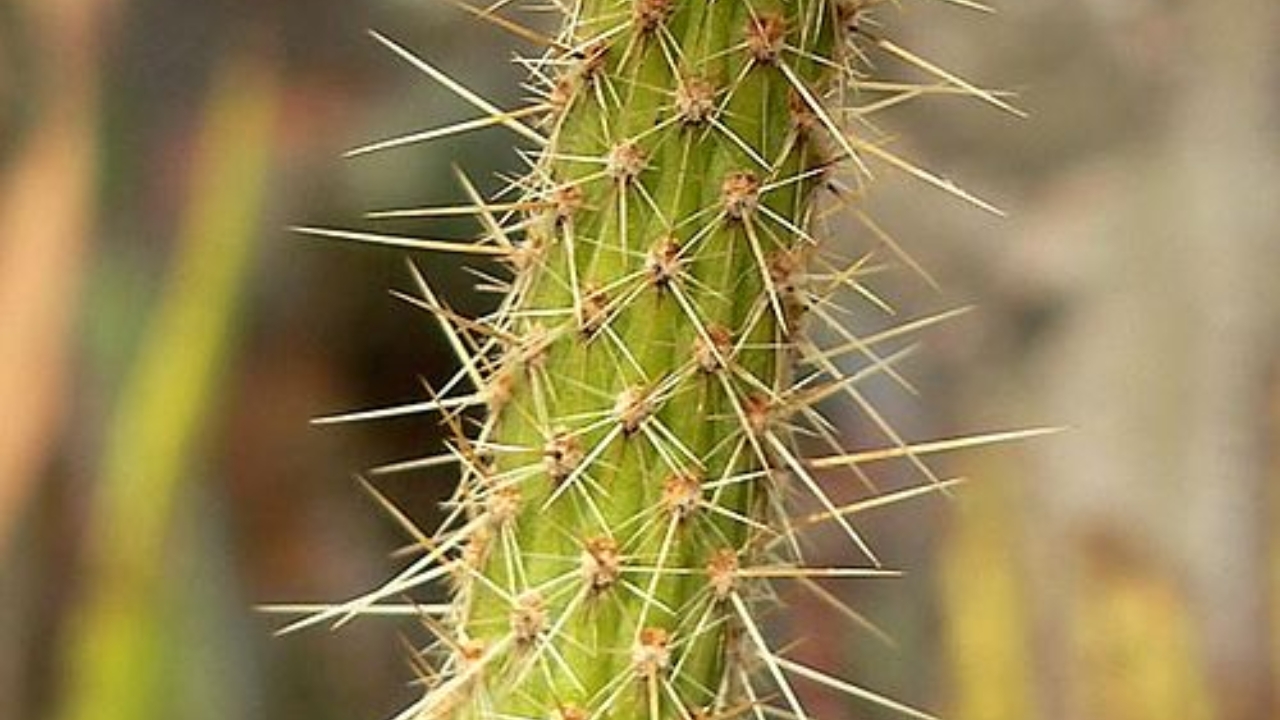
Leocereus is a fascinating cactus genus admired by collectors and succulent enthusiasts for its distinctive appearance, resilience, and ability to thrive in challenging environments. Native to arid and semi-arid regions, these cacti have evolved remarkable adaptations that allow them to survive extended periods of drought while maintaining their ornamental beauty. Their sculptural stems, attractive spines, and occasional blooms make them a desirable addition to both indoor collections and outdoor desert gardens.
Growing Leocereus successfully requires understanding its natural habitat and replicating those conditions as closely as possible. Fortunately, these plants are generally low-maintenance and reward proper care with steady growth and long-term health. Whether you are a beginner cactus grower or an experienced collector, learning the specific requirements of Leocereus can help you cultivate thriving specimens for many years.
Understanding the Natural Habitat of Leocereus
To provide optimal care, it helps to understand where Leocereus originates. In its native environment, this cactus experiences intense sunlight, warm temperatures, infrequent rainfall, and well-draining soils. These conditions have shaped its growth habits and care requirements.
Leocereus plants are adapted to store water within their thick stems, allowing them to withstand prolonged dry periods. Their root systems are designed to absorb moisture quickly when rainfall occurs. This adaptation means they prefer periods of dryness between watering rather than consistently moist soil.
By recreating these environmental conditions at home, growers can encourage healthy growth and minimize common problems associated with overwatering or poor light exposure.
Choosing the Right Growing Location
Light is one of the most important factors in growing Leocereus successfully. These cacti perform best in bright locations where they receive several hours of direct sunlight each day. Outdoor plants thrive in sunny positions with good airflow, while indoor specimens should be placed near south-facing or west-facing windows whenever possible.
Insufficient light can cause stretched growth, often referred to as etiolation. This condition results in weak, elongated stems that lose their natural compact form. If indoor light levels are limited, supplemental grow lights can help maintain healthy development.
When moving a Leocereus from a shaded environment to full sun, gradual acclimation is recommended. Sudden exposure to intense sunlight can cause sunburn, especially in younger plants.
Soil Requirements for Healthy Growth
Proper soil selection is essential for maintaining healthy roots and preventing rot. Leocereus requires a fast-draining growing medium that allows excess water to move away quickly from the root zone.
Commercial cactus and succulent mixes generally work well, but many growers improve drainage further by adding coarse sand, pumice, perlite, or small gravel. The goal is to create a loose and airy substrate that does not remain wet for extended periods.
Heavy garden soil or standard potting mixes that retain excessive moisture should be avoided. Poor drainage is one of the most common causes of cactus decline and root disease.
Watering Leocereus Correctly
Watering practices play a major role in the long-term success of Leocereus cultivation. While these cacti are drought-tolerant, they still require occasional watering during active growth periods.
The best approach is to water thoroughly and then allow the soil to dry completely before watering again. During spring and summer, watering may be needed every one to three weeks depending on climate, container size, and growing conditions.
During autumn and winter, growth slows significantly. At this time, watering frequency should be reduced to prevent excess moisture around dormant roots. In cooler conditions, the plant may require only occasional watering.
Signs of overwatering include soft stems, discoloration, and root rot, while severe underwatering may result in wrinkling or shriveling of the stems.
Temperature and Climate Preferences
Leocereus thrives in warm temperatures and generally performs best between 20°C and 35°C. These cacti enjoy hot summers and can tolerate considerable heat when provided with adequate airflow.
Cold tolerance varies depending on species and growing conditions. Most Leocereus plants prefer protection from frost and prolonged freezing temperatures. In regions with cold winters, container-grown specimens should be moved indoors or placed in protected environments before temperatures drop significantly.
Indoor growers should avoid placing plants near cold drafts, air-conditioning vents, or areas with sudden temperature fluctuations.
Fertilizing for Strong Development
Although Leocereus can survive in nutrient-poor environments, moderate fertilization can support healthier growth and flowering. During the active growing season, a balanced cactus fertilizer or a low-nitrogen succulent fertilizer can be applied every four to six weeks.
Excessive fertilization should be avoided because it can lead to overly soft growth that is more vulnerable to pests and environmental stress. A light feeding schedule is generally sufficient to meet the plant’s nutritional needs.
Fertilizing should be reduced or stopped entirely during winter dormancy when growth naturally slows.
Repotting and Container Selection
Leocereus benefits from occasional repotting, especially when roots outgrow their containers or the soil begins to break down. Repotting is typically performed during spring when active growth resumes.
Choose a pot with drainage holes to allow excess water to escape. Clay or terracotta pots are particularly useful because they promote faster soil drying and improve air circulation around the roots.
When repotting, carefully inspect the root system for signs of rot or damage. Healthy roots should appear firm and light-colored. Any unhealthy sections should be removed before replanting.
After repotting, it is often beneficial to wait several days before watering. This allows any damaged roots to heal and reduces the risk of infection.
Propagation Methods for Leocereus
Propagation is an enjoyable way to expand a collection and produce new plants. Leocereus can often be propagated through stem cuttings, depending on the species.
To propagate using cuttings, select a healthy stem segment and make a clean cut using a sterile tool. The cutting should then be left in a dry location for several days until a callus forms over the cut surface.
Once callused, the cutting can be placed in a well-draining cactus mix. Water sparingly until roots begin to develop. Root formation may take several weeks depending on environmental conditions.
Some growers also propagate Leocereus from seed. While seed propagation requires patience, it allows enthusiasts to observe the plant’s development from its earliest stages.
Common Problems and Their Solutions
Like most cacti, Leocereus is relatively resistant to pests and diseases when grown correctly. However, certain issues can still arise.
Root rot remains the most significant threat and is usually caused by excessive watering or poor drainage. Preventing waterlogged soil is the best defense against this problem.
Mealybugs and scale insects occasionally attack cactus collections. These pests can be removed manually or treated with appropriate horticultural products when detected early.
Sunburn may occur when plants are exposed suddenly to intense sunlight after growing in shade. Gradual acclimation helps prevent tissue damage and discoloration.
Monitoring plants regularly allows growers to identify and address issues before they become serious.
Encouraging Flowering and Vigorous Growth
Healthy, mature Leocereus plants may produce attractive flowers under suitable conditions. Flower production is often encouraged by providing abundant sunlight, proper watering practices, and a seasonal rest period during cooler months.
Consistency is important. Plants that receive stable care throughout the year are generally more likely to flower than those exposed to frequent environmental stress.
Adequate space, proper nutrition, and good airflow also contribute to stronger growth and improved flowering potential.
Long-Term Care and Maintenance
One of the greatest advantages of Leocereus is its longevity. With proper care, these cacti can remain attractive for decades and continue growing steadily over time.
Routine maintenance involves removing dead plant material, monitoring for pests, and adjusting watering schedules according to seasonal conditions. Regular observation helps growers understand the specific needs of their individual plants.
As Leocereus matures, its structure often becomes more impressive, making it a striking focal point in cactus collections and desert-themed landscapes.
Conclusion
Leocereus is a rewarding cactus that combines beauty, durability, and relatively simple care requirements. By providing bright sunlight, well-draining soil, careful watering, and warm growing conditions, gardeners can enjoy healthy plants that thrive for many years. Whether grown indoors in containers or outdoors in suitable climates, Leocereus offers an excellent opportunity to experience the unique appeal of desert-adapted plants. With patience and proper attention, growers can cultivate vigorous specimens that showcase the remarkable resilience and charm that make this cactus genus so admired among enthusiasts.
