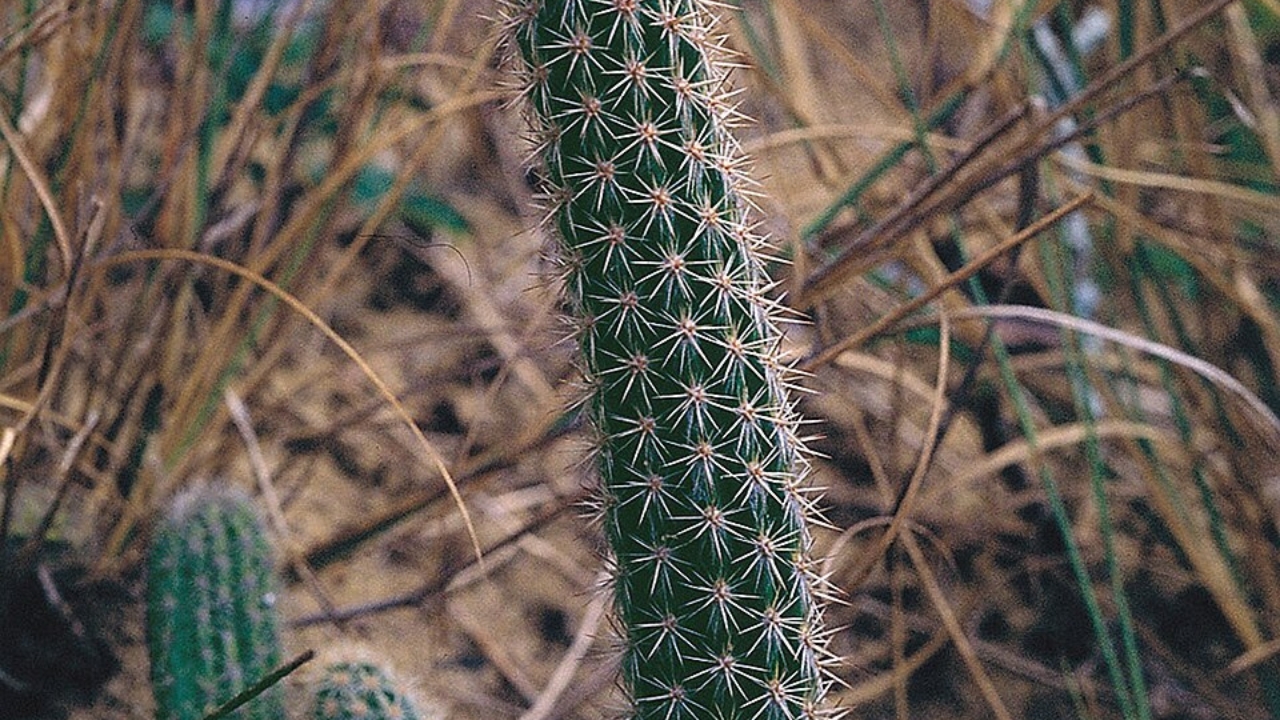
Arrojadoa is a fascinating genus of columnar cacti native to Brazil, prized by collectors for its unusual growth habit, colorful flowers, and distinctive cephalium-like structures that develop as the plant matures. Unlike many common desert cacti, Arrojadoa species combine elegant stems with attractive blooms, making them highly desirable among cactus enthusiasts. Their exotic appearance and relatively manageable care requirements make them suitable for both beginner and experienced growers.
Growing Arrojadoa successfully requires understanding its natural habitat and providing conditions that closely resemble its native environment. With proper sunlight, watering, soil, and seasonal care, these cacti can thrive for many years and reward growers with spectacular flowering displays.
Understanding the Natural Habitat
Arrojadoa species originate from the rocky regions of eastern Brazil, where they grow in well-draining soils and receive abundant sunlight. The climate in these areas is typically warm, with alternating wet and dry seasons. This natural cycle influences how the cactus grows and when it flowers.
In the wild, Arrojadoa often grows among rocks and gravel, where water drains rapidly after rainfall. The roots are adapted to absorb moisture quickly while avoiding prolonged exposure to wet conditions. Understanding this habitat helps growers recreate suitable conditions in containers or outdoor gardens.
Choosing the Right Location
Light is one of the most important factors for healthy Arrojadoa growth. These cacti prefer bright conditions and several hours of direct sunlight each day. A south-facing window, greenhouse, or sunny outdoor location provides ideal lighting.
Young plants may benefit from partial shade during extremely hot afternoons, especially in regions with intense summer heat. Gradually increasing light exposure helps prevent sunburn and encourages sturdy growth. Plants grown in insufficient light often become elongated, weak, and less likely to bloom.
When grown indoors, placing the cactus near the brightest available window is essential. Supplemental grow lights can also help maintain healthy growth during darker months.
Soil Requirements for Healthy Growth
Proper soil drainage is crucial for Arrojadoa cacti. Heavy garden soil retains excessive moisture and can quickly lead to root rot. A specialized cactus mix or a custom blend containing mineral components works best.
An ideal growing medium contains coarse sand, pumice, perlite, crushed granite, or small gravel mixed with a smaller portion of organic material. This combination allows water to pass through quickly while still providing enough moisture retention for root development.
Containers should always have drainage holes to prevent standing water around the roots. Terracotta pots are particularly useful because they allow excess moisture to evaporate more efficiently than plastic containers.
Watering Arrojadoa Correctly
Watering is often the most misunderstood aspect of cactus care. While Arrojadoa is drought-tolerant, it still requires regular watering during its active growing season. The key is allowing the soil to dry before watering again.
During spring and summer, water deeply whenever the growing medium becomes completely dry. Thorough watering encourages deeper root growth and healthier plants. Avoid frequent shallow watering, as it promotes weak root systems.
As temperatures begin to cool in autumn, gradually reduce watering frequency. During winter dormancy, water only sparingly. Excess moisture during the resting period is one of the most common causes of plant loss.
Environmental conditions such as temperature, humidity, pot size, and soil composition will influence watering schedules, so it is always better to check soil moisture rather than follow a strict calendar.
Temperature and Humidity Preferences
Arrojadoa thrives in warm temperatures and actively grows during periods of consistent warmth. Temperatures between 70°F and 90°F (21°C to 32°C) are ideal during the growing season.
Although many species can tolerate brief periods of cooler weather, prolonged exposure to freezing temperatures can damage or kill the plant. If winter temperatures regularly drop below freezing, container-grown specimens should be moved indoors or protected in a greenhouse.
Humidity levels are generally not a major concern, provided there is good air circulation. Excessively humid environments combined with poor ventilation can encourage fungal issues. Maintaining airflow around the plant helps keep stems healthy and reduces disease risks.
Fertilizing for Strong Growth
Arrojadoa benefits from occasional feeding during active growth. A balanced cactus fertilizer diluted to half strength can be applied every four to six weeks during spring and summer.
Fertilizers with lower nitrogen levels are often preferred because excessive nitrogen can cause soft, weak growth. Potassium and phosphorus support root development, stem strength, and flowering potential.
Avoid fertilizing during winter dormancy, as the plant’s growth slows significantly and nutrient uptake becomes limited. Over-fertilization can damage roots and negatively affect overall health.
Repotting and Root Care
Repotting is generally required every two to three years or whenever the cactus outgrows its container. The best time to repot is during spring, just before active growth begins.
Carefully remove the cactus from its pot and inspect the roots. Trim away any damaged or rotten sections using clean tools. Allow cuts to dry and callus before replanting if significant root pruning is performed.
Choose a pot that is only slightly larger than the previous one. Excessively large containers can retain too much moisture and increase the risk of root problems. Fresh soil provides improved drainage and replenishes essential nutrients.
How to Propagate Arrojadoa
Propagation can be achieved through seeds or stem cuttings, depending on the species and available plant material.
Seed propagation is often the preferred method for maintaining genetic diversity. Fresh seeds typically germinate more successfully than older ones. Sow seeds on the surface of a sterile, well-draining growing medium and keep them lightly moist until germination occurs.
Warm temperatures and bright indirect light promote successful seedling development. Growth may be slow initially, but young plants gradually become more vigorous as they mature.
Some species produce offsets or branches that can be used for vegetative propagation. Allow cut surfaces to dry and form a callus before planting them in dry cactus soil. Water sparingly until new roots develop.
Encouraging Flowering and Bloom Production
One of the most rewarding aspects of growing Arrojadoa is witnessing its unique flowers. These blooms often emerge from specialized structures near the stem tips and can be highly ornamental.
Providing adequate sunlight is essential for flowering. Plants grown in low light rarely produce blooms. Consistent seasonal care, including proper watering and a winter rest period, also contributes significantly to flower production.
Mature specimens flower more readily than young plants. Patience is often required, as some species may take several years before reaching blooming size.
Balanced fertilization during the growing season further supports bud formation and overall plant vigor.
Common Problems and Solutions
Like most cacti, Arrojadoa is relatively resistant to pests and diseases when grown under proper conditions. However, problems can occasionally occur.
Root rot is the most serious issue and is usually caused by overwatering or poor drainage. Symptoms include soft stems, discoloration, and collapsing tissue. Preventing excess moisture is the best defense.
Mealybugs may appear on stems or roots, feeding on plant sap. Early infestations can often be removed manually or treated with appropriate insecticidal products.
Spider mites occasionally become problematic in hot, dry indoor environments. Increasing airflow and monitoring plants regularly can help prevent severe infestations.
Sunburn may occur if a plant is suddenly exposed to intense sunlight after being grown in shade. Gradual acclimation minimizes this risk.
Seasonal Care Throughout the Year
Spring marks the beginning of active growth and is the ideal time for repotting, fertilizing, and increasing watering frequency. New growth often appears as temperatures rise and daylight hours lengthen.
Summer is the period of strongest growth. Regular watering, adequate sunlight, and occasional feeding help the cactus reach its full potential.
Autumn signals the transition toward dormancy. Watering should be gradually reduced, and fertilization should stop.
Winter is a resting period. Keeping the cactus relatively dry and cool encourages healthier growth and better flowering during the following season.
Conclusion
Arrojadoa cacti combine striking appearance, fascinating growth habits, and beautiful flowers into one remarkable plant. Their care requirements are straightforward once their natural environment is understood. Bright sunlight, fast-draining soil, careful watering, and a proper winter rest period form the foundation of successful cultivation.
Whether grown from seed, propagated from cuttings, or purchased as a mature specimen, Arrojadoa can become a long-lasting and rewarding addition to any cactus collection. With patience and consistent care, these distinctive Brazilian cacti will thrive and eventually reward growers with impressive blooms and unique architectural beauty.
