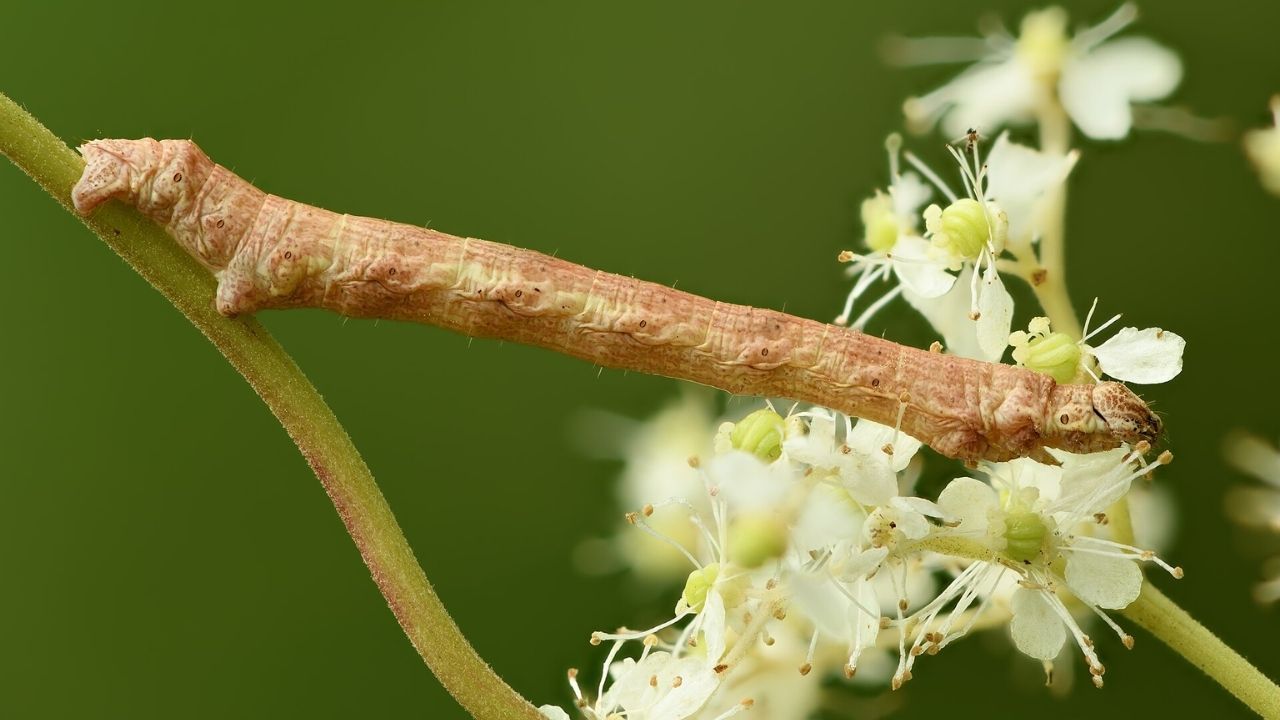
Meadowsweet is a graceful perennial known for its airy clusters of creamy-white, fragrant flowers and attractive deeply textured foliage. Blooming during early to mid-summer, this moisture-loving plant naturally grows in damp meadows, stream banks, and woodland edges. Its elegant appearance makes it an excellent choice for cottage gardens, pollinator gardens, rain gardens, and naturalized landscapes.
One of the greatest advantages of meadowsweet is its ability to thrive with relatively little maintenance once established. The plant attracts bees, butterflies, and other beneficial pollinators while adding height and texture to garden beds. With proper planting, regular watering, occasional pruning, and seasonal care, meadowsweet can remain healthy and productive for many years.
Choosing the Best Location for Healthy Growth
Selecting the right planting site is one of the most important steps toward growing vigorous meadowsweet plants. Unlike many flowering perennials that prefer dry conditions, meadowsweet flourishes in consistently moist environments.
Choose a location that receives full sun in cooler climates. In regions with hot summers, partial afternoon shade helps prevent excessive stress and keeps the foliage fresh throughout the growing season.
The planting area should have good air circulation while remaining protected from prolonged drought. Meadowsweet performs beautifully near ponds, water features, drainage areas, and naturally damp garden borders where soil moisture remains consistent.
Avoid extremely dry, windy, or rocky sites where water drains too quickly, as these conditions often reduce flowering and stunt growth.
Preparing Rich, Moist Soil
Healthy soil is the foundation for lush foliage and abundant blooms. Meadowsweet grows best in fertile, moisture-retentive soil that remains consistently damp without becoming waterlogged.
Before planting, loosen the soil to improve root development and remove any weeds or debris. Mixing generous amounts of compost or well-aged organic matter into the soil improves fertility, enhances moisture retention, and encourages beneficial soil organisms.
The ideal soil is slightly acidic to neutral, although meadowsweet adapts well to a range of soil conditions provided adequate moisture is available.
Heavy clay soils can actually support meadowsweet well if drainage is sufficient to prevent standing water around the roots for extended periods. Sandy soils should be enriched with organic matter to increase their ability to retain moisture.
Planting Meadowsweet Successfully
Planting is best carried out in spring or early autumn when temperatures are mild and rainfall is generally more reliable. These seasons allow the roots to establish before extreme summer heat or winter cold arrives.
Dig a planting hole approximately twice as wide as the root ball while keeping the depth equal to the original container. Position the plant so the crown sits level with the surrounding soil surface.
Backfill with enriched soil, gently firm the ground around the roots, and water thoroughly immediately after planting to eliminate air pockets.
If planting multiple meadowsweet plants, allow adequate spacing between them to promote airflow and accommodate their mature size. Proper spacing also reduces the likelihood of fungal diseases developing in humid conditions.
Applying a layer of organic mulch around the base helps conserve soil moisture, regulate soil temperature, and reduce weed competition.
Watering for Vigorous Growth
Consistent watering is perhaps the most critical aspect of successful meadowsweet care. Unlike drought-tolerant perennials, meadowsweet naturally prefers moist conditions throughout the growing season.
Newly planted specimens require frequent watering until they become well established. Mature plants should receive enough moisture to keep the soil evenly damp but not saturated.
During prolonged dry spells, deep watering once or twice each week is usually more beneficial than light daily watering. Deep irrigation encourages roots to grow further into the soil, improving long-term resilience.
Monitor soil moisture regularly, especially during hot weather. If the top inch of soil begins to dry out, additional watering is usually needed.
Mulching significantly reduces evaporation and helps maintain the consistently moist environment that meadowsweet prefers.
Fertilizing for Bigger Blooms
Although meadowsweet is not a particularly heavy feeder, regular nutrition encourages stronger stems, healthier foliage, and more impressive flower displays.
In early spring, apply compost around the base of the plant to replenish nutrients naturally. A balanced slow-release fertilizer can also support vigorous seasonal growth.
Avoid applying excessive nitrogen fertilizers, as they may encourage lush leafy growth at the expense of flowering.
A second light feeding after the first flowering period may help maintain healthy foliage for the remainder of the season, particularly in nutrient-poor soils.
Organic fertilizers often provide a gradual nutrient supply while improving overall soil health over time.
Seasonal Care Throughout the Year
Each season presents unique opportunities to keep meadowsweet thriving.
Spring is the ideal time to remove old stems left from winter, apply fresh compost, refresh mulch, and inspect for new growth. This is also an excellent time to divide mature clumps if they have become overcrowded.
Summer is the primary flowering season. Continue watering consistently, remove faded flower clusters if desired, and watch for signs of moisture stress during hot weather.
Autumn is an excellent season for planting new specimens and dividing established plants. Continue watering until cooler temperatures and seasonal rainfall reduce moisture needs.
During winter, meadowsweet naturally dies back above ground in colder climates. Leaving some stems until late winter provides habitat for beneficial insects while protecting the crown from temperature fluctuations.
Pruning and Deadheading Techniques
Pruning helps maintain an attractive appearance while encouraging vigorous future growth.
Throughout the flowering season, remove faded flower heads if you prefer a tidier garden or wish to prevent self-seeding. Deadheading also redirects energy toward healthy root and foliage development.
After flowering has finished, cut flower stems back to healthy foliage.
At the end of the growing season, many gardeners leave the dried stems standing through winter for added garden interest and wildlife benefits. Complete pruning can then be performed in late winter or very early spring before fresh shoots emerge.
Older plants benefit from occasional thinning to improve air circulation and reduce overcrowding.
Dividing Meadowsweet for Stronger Plants
Division is one of the simplest ways to rejuvenate mature meadowsweet while producing additional plants.
Every three to five years, dig up established clumps during spring or autumn. Carefully separate the root mass into several healthy sections, ensuring that each division contains strong roots and multiple growing shoots.
Replant the divisions immediately into prepared soil and water thoroughly.
Regular division prevents overcrowding, restores vigorous flowering, and reduces competition among older root systems.
Managing Common Growing Problems
Meadowsweet is generally resistant to many serious pests and diseases when grown under favorable conditions.
Occasional aphids may gather on young stems, but these are often controlled naturally by beneficial insects such as ladybugs.
Powdery mildew may appear during periods of poor air circulation combined with humid weather. Proper plant spacing, selective pruning, and watering at the soil level rather than over the foliage help minimize this issue.
Root problems are usually associated with poorly drained soils that remain saturated for extended periods. While meadowsweet enjoys moist conditions, stagnant water should still be avoided.
Yellowing leaves often indicate inconsistent watering, nutrient deficiencies, or root stress caused by prolonged dryness.
Regular observation allows small issues to be corrected before they become major problems.
Encouraging Longer and More Abundant Flowering
Healthy meadowsweet naturally produces generous blooms, but several simple practices can maximize flowering each year.
Provide plenty of moisture during the active growing season, especially while flower buds are forming.
Maintain fertile soil through annual compost applications and avoid excessive fertilizer that promotes foliage instead of flowers.
Ensure plants receive sufficient sunlight while protecting them from intense afternoon heat in warmer regions.
Dividing overcrowded clumps every few years restores plant vigor and often leads to larger flower displays.
Removing spent blooms and keeping the plants free from weed competition allows more energy to support continuous healthy growth.
Growing Meadowsweet in Containers
Although meadowsweet is most commonly grown in garden beds, it can also thrive in large containers when provided with adequate care.
Choose a spacious pot with drainage holes and fill it with a rich, moisture-retentive potting mix enriched with compost.
Container-grown plants dry out much faster than those in the ground, making regular watering essential during warm weather.
Place the container where it receives morning sunlight and afternoon shade if summers are particularly hot.
Refresh the potting mix every few years and divide crowded root systems as needed to maintain healthy growth.
Creating a Beautiful Garden with Meadowsweet
Meadowsweet blends beautifully with many moisture-loving perennials and ornamental grasses, creating soft, naturalistic plantings filled with texture and movement. Its tall, feathery flower clusters provide an elegant backdrop for shorter flowering plants while supporting a wide variety of pollinators throughout summer.
Whether planted beside ponds, incorporated into cottage gardens, or used in rain gardens, meadowsweet brings lasting beauty with relatively simple care. By providing fertile soil, dependable moisture, thoughtful seasonal maintenance, and occasional division, gardeners can enjoy thriving plants covered in fragrant blooms year after year. With consistent attention to its natural growing preferences, meadowsweet rewards every season with healthy foliage, graceful flowers, and a vibrant landscape full of life.
