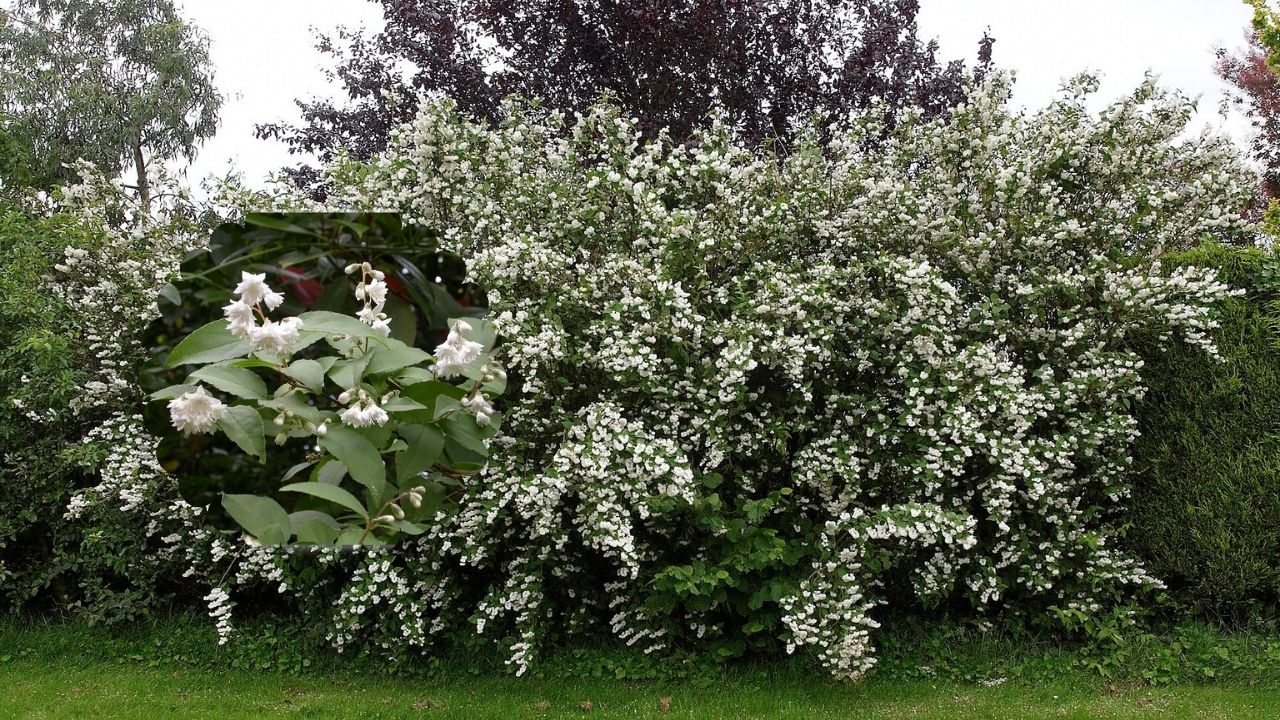
Deutzia is a charming deciduous flowering shrub that brings elegance and color to gardens with its masses of white or pink blossoms in late spring and early summer. Native to Asia and belonging to the hydrangea family, this hardy shrub is admired for its graceful arching branches, lush green foliage, and easy-care nature. Whether grown as a flowering hedge, a foundation planting, or a standalone specimen, Deutzia rewards gardeners with abundant blooms and reliable performance year after year.
One of the biggest advantages of growing Deutzia is its adaptability. It thrives in a variety of climates, tolerates different soil types, and requires relatively little maintenance once established. With the right planting location and regular care, this beautiful shrub can remain healthy and productive for decades. This guide covers everything you need to know about planting, growing, watering, pruning, and maintaining Deutzia successfully at home.
Understanding Deutzia Growth Requirements
Before planting, it’s important to understand what Deutzia needs to flourish. Most varieties grow between 2 and 8 feet tall, depending on the cultivar, with an equally wide spread. Dwarf types are excellent for small gardens, while larger varieties create attractive borders and flowering screens.
Deutzia performs best in USDA Hardiness Zones 5 through 8, although some varieties tolerate colder or warmer conditions. It prefers locations with cool winters and mild summers but adapts well to many temperate climates.
This shrub grows moderately fast, producing fresh shoots each spring and flowering on wood that developed during the previous growing season. Understanding this growth habit is especially important when it comes to pruning.
Choosing the Best Planting Location
Selecting the right location greatly influences the health and flowering performance of Deutzia.
Choose an area that receives at least six hours of sunlight daily. Full sun encourages the most abundant blooms, while partial shade is acceptable in hotter climates where afternoon protection prevents leaf scorch.
Good air circulation helps reduce disease problems, especially in humid regions. Avoid planting too close to walls or crowded shrubs where moisture can remain trapped around the foliage.
Since mature plants can become fairly wide, leave enough room for future growth without overcrowding neighboring plants.
Soil Requirements for Healthy Growth
Deutzia is relatively adaptable but performs best in fertile, well-drained soil rich in organic matter.
The ideal soil pH ranges from slightly acidic to neutral, around 6.0 to 7.0. If your soil is heavy clay, improve drainage by incorporating compost, aged manure, or leaf mold before planting. Sandy soils also benefit from added organic matter to improve moisture retention.
Avoid planting in areas where water remains standing after rainfall, as soggy conditions may lead to root rot.
How to Plant Deutzia
Planting Deutzia properly establishes a strong foundation for healthy growth.
The best planting time is early spring or early autumn when temperatures are mild. These seasons allow roots to establish before extreme summer heat or winter cold arrives.
Dig a planting hole approximately twice as wide as the root ball but only as deep as its height. Place the shrub so the top of the root ball sits level with the surrounding soil.
Backfill with the original soil mixed with compost, gently firming it around the roots to eliminate air pockets. Water thoroughly immediately after planting to settle the soil.
Finish by applying a 2 to 3-inch layer of mulch around the base while keeping it a few inches away from the main stems.
Watering Deutzia Properly
Consistent watering is especially important during the first growing season.
Newly planted shrubs should receive deep watering once or twice each week, depending on rainfall and temperature. The goal is to keep the soil evenly moist without becoming saturated.
Once established, Deutzia becomes moderately drought tolerant. Mature plants generally require supplemental watering only during extended dry periods.
Deep watering encourages stronger root development than frequent shallow irrigation. Always allow the top layer of soil to begin drying before watering again.
Fertilizing for Strong Growth and Abundant Flowers
Although Deutzia is not a heavy feeder, proper fertilization supports vigorous growth and plentiful blooms.
Apply a balanced slow-release fertilizer in early spring before new growth begins. A fertilizer formulated for flowering shrubs works particularly well.
Adding compost around the base annually also supplies nutrients while improving soil structure and microbial activity.
Avoid excessive nitrogen fertilizers, which encourage leafy growth at the expense of flowers.
Mulching Benefits
Mulching offers several important benefits for Deutzia.
Organic mulch helps retain soil moisture, regulate root temperatures, suppress weeds, and gradually enrich the soil as it decomposes.
Shredded bark, wood chips, compost, or pine needles all make excellent mulch materials.
Refresh the mulch layer each spring while ensuring it never touches the stems directly, which could encourage rot or pest activity.
Pruning Deutzia the Right Way
Proper pruning is essential for maintaining both shape and flowering.
Because Deutzia blooms on old wood, pruning should always be done immediately after flowering finishes. Waiting until late summer or winter removes next year’s flower buds.
Begin by removing dead, damaged, or diseased branches. Next, cut out several of the oldest stems near ground level to encourage vigorous new growth.
Trim overly long branches lightly to maintain an attractive shape while preserving as many flowering shoots as possible.
Older shrubs that have become overgrown can benefit from rejuvenation pruning by removing up to one-third of the oldest stems each year over several seasons.
Seasonal Care Throughout the Year
Each season brings different care requirements for Deutzia.
In spring, inspect the shrub for winter damage, fertilize lightly, refresh mulch, and begin regular watering if rainfall is limited.
Summer care mainly involves watering during dry spells, checking for pests, and removing faded flowers if desired to keep the shrub tidy.
Autumn is an excellent time to clean fallen leaves, apply fresh mulch, and water deeply before the ground freezes in colder climates.
During winter, established plants usually require little attention beyond protecting young shrubs from severe freezing temperatures with an extra layer of mulch.
Common Pests and Diseases
Deutzia is generally resistant to serious pest and disease problems, making it an excellent low-maintenance landscape shrub.
Occasionally, aphids may gather on young shoots. These insects can usually be controlled with a strong spray of water or insecticidal soap.
Spider mites may appear during prolonged hot, dry weather, causing stippled leaves. Increasing humidity and maintaining adequate watering often discourages infestations.
Powdery mildew sometimes develops in humid conditions with poor airflow. Proper spacing and avoiding overhead watering help minimize this problem.
Root rot remains the most serious issue and is almost always associated with poorly drained soils.
Propagating Deutzia at Home
Home gardeners can easily propagate Deutzia using softwood or hardwood cuttings.
Softwood cuttings are taken in late spring or early summer from fresh new growth. Hardwood cuttings are collected during winter when the plant is dormant.
Cut healthy stems approximately 4 to 6 inches long, remove the lower leaves, and insert them into a moist, well-draining propagation mix.
Keep the cuttings warm and humid until roots develop, after which they can be gradually acclimated before transplanting into the garden.
Growing Deutzia in Containers
Compact and dwarf Deutzia varieties grow surprisingly well in containers.
Choose a large pot with multiple drainage holes and fill it with a high-quality potting mix enriched with compost.
Container-grown shrubs dry out faster than garden plants, so monitor moisture regularly, especially during summer.
Feed with a balanced slow-release fertilizer each spring and prune after flowering to maintain a compact shape.
In regions with harsh winters, move containers to a sheltered location or insulate the pots to protect the roots from freezing.
Landscape Uses for Deutzia
Deutzia is one of the most versatile flowering shrubs for residential landscapes.
It performs beautifully in mixed shrub borders, cottage gardens, woodland edges, foundation plantings, and flowering hedges. The graceful branches also create attractive specimen plants when given room to spread naturally.
The abundant blossoms attract bees, butterflies, and other beneficial pollinators, adding life and biodiversity to the garden.
Dwarf cultivars are excellent for edging pathways, patios, and small urban gardens where space is limited.
Common Growing Mistakes to Avoid
Many gardeners experience fewer flowers because they prune at the wrong time. Always prune immediately after blooming rather than during winter or early spring.
Planting in heavy, poorly drained soil often causes root problems that weaken or kill the shrub. Improving drainage before planting is one of the best long-term investments.
Overwatering mature plants can be just as harmful as underwatering. Water deeply but only when necessary.
Applying excessive fertilizer, especially high-nitrogen products, produces lush foliage with fewer flowers. Moderate feeding keeps the plant balanced and healthy.
Conclusion
Deutzia is an outstanding flowering shrub that combines beauty, resilience, and ease of care. Its graceful habit, abundant spring blooms, and adaptability make it an excellent choice for gardeners of all experience levels. By providing full sun, fertile well-drained soil, consistent watering during establishment, and timely pruning after flowering, you can enjoy vigorous growth and spectacular floral displays for many years.
Whether planted as a colorful hedge, an elegant border shrub, or a standout specimen in the landscape, Deutzia offers dependable performance with relatively little effort. With regular seasonal maintenance and proper growing conditions, this charming shrub will become one of the highlights of your home garden year after year.
