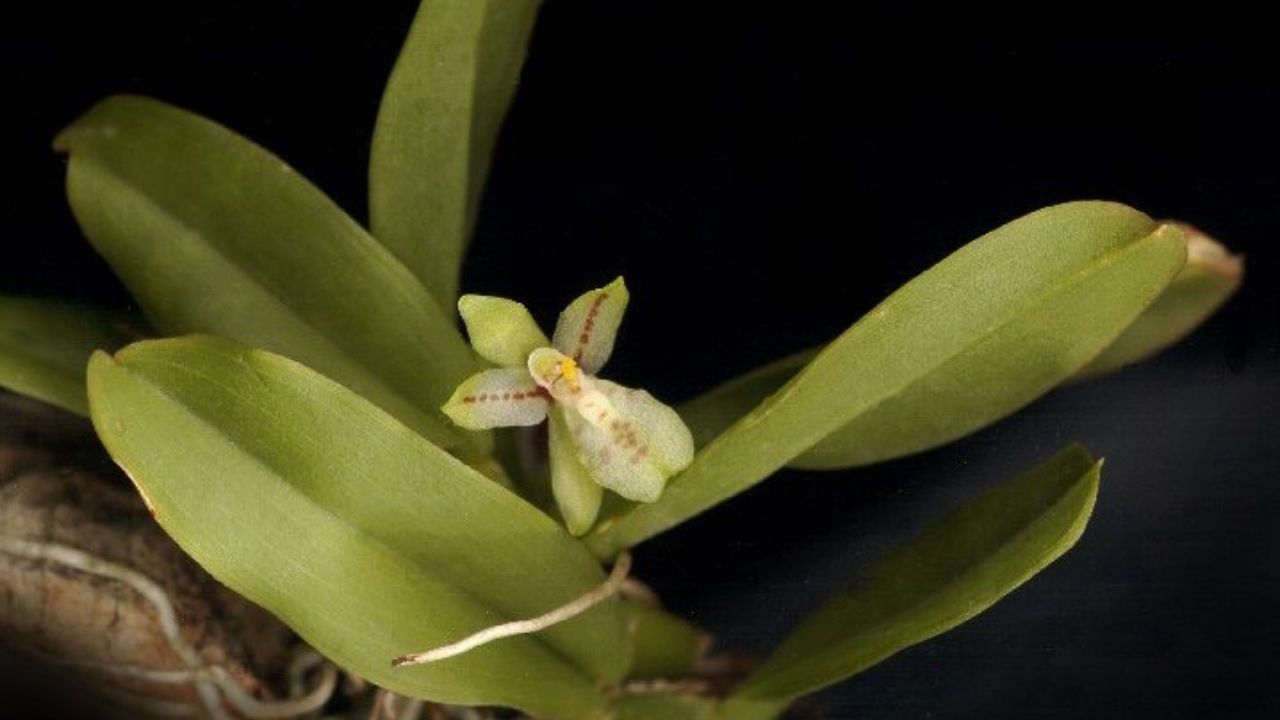
Leochilus orchids are a fascinating group of miniature orchids native to Central America, Mexico, the Caribbean, and parts of northern South America. These compact epiphytic plants belong to the Orchidaceae family and are prized by orchid enthusiasts for their attractive foliage, charming flowers, and relatively manageable care requirements. Although they are not as widely cultivated as Phalaenopsis or Cattleya orchids, Leochilus species offer unique beauty and are excellent additions to orchid collections, especially for growers who appreciate smaller plants.
In their natural habitat, Leochilus orchids grow attached to tree branches where they receive filtered sunlight, excellent air circulation, and periodic rainfall. Understanding these growing conditions is the key to successfully cultivating these orchids at home. With proper care, Leochilus orchids can thrive for many years and reward growers with delicate blooms and healthy growth.
Understanding the Natural Habitat
Before growing any orchid, it is helpful to understand where it naturally grows. Leochilus orchids are epiphytes, meaning they grow on trees rather than in soil. Their roots are adapted to absorb moisture and nutrients from rain, humidity, and organic debris that accumulates around them.
Most species inhabit tropical and subtropical forests where temperatures remain relatively warm throughout the year. These environments provide bright but filtered light, moderate to high humidity, and constant airflow. Replicating these conditions in cultivation greatly improves plant health and flowering performance.
Because these orchids naturally grow in elevated positions, they are highly sensitive to stagnant moisture around their roots. Proper drainage and airflow are among the most important aspects of successful cultivation.
Choosing the Right Growing Medium
Leochilus orchids require a growing medium that allows roots to breathe while retaining enough moisture to prevent dehydration. Standard orchid bark mixes work well for most growers. Medium-grade bark combined with perlite, charcoal, or sphagnum moss creates an ideal balance between drainage and moisture retention.
Many growers also mount Leochilus orchids on cork bark, tree fern fiber, or hardwood slabs. Mounted plants closely mimic natural growing conditions and often develop healthier root systems. However, mounted orchids typically require more frequent watering, especially in dry climates.
Repotting should be performed every two to three years or whenever the growing medium begins to decompose. Fresh media helps maintain healthy root growth and reduces the risk of fungal issues.
Light Requirements for Healthy Growth
Proper lighting plays a major role in the success of Leochilus orchids. These plants prefer bright, indirect light similar to the filtered sunlight found beneath a forest canopy.
An east-facing window often provides ideal lighting conditions. South or west-facing windows can also work if the sunlight is filtered through a sheer curtain. Direct midday sun may scorch the leaves and should generally be avoided.
Healthy plants usually display medium green leaves. Very dark green foliage can indicate insufficient light, while yellowing or scorched leaves may signal excessive sunlight. Adjusting light exposure gradually helps prevent plant stress.
Artificial grow lights can also be used successfully, particularly in indoor growing environments where natural light is limited.
Temperature Preferences
Leochilus orchids generally thrive in intermediate to warm temperatures. Daytime temperatures between 70°F and 85°F (21°C to 29°C) are ideal for active growth. Nighttime temperatures between 55°F and 65°F (13°C to 18°C) provide beneficial cooling that supports overall plant health.
Most species tolerate short periods of warmer temperatures if humidity and airflow remain adequate. However, prolonged exposure to extreme heat may slow growth and increase stress.
Maintaining a slight difference between day and night temperatures can encourage flowering and mimic natural environmental conditions.
Watering Leochilus Orchids Correctly
Watering is one of the most important aspects of orchid care. Leochilus orchids appreciate regular moisture but dislike constantly wet roots.
The growing medium should be allowed to approach dryness before watering again. During active growth in spring and summer, watering may be required once or twice per week, depending on environmental conditions. During cooler months, watering frequency can often be reduced.
When watering, thoroughly soak the growing medium and allow excess water to drain completely. Avoid leaving pots sitting in standing water, as this can quickly lead to root rot.
Mounted plants generally dry out more rapidly and may require watering several times per week. Monitoring the moisture level of the roots and medium helps determine the ideal schedule.
Humidity and Air Circulation
Leochilus orchids naturally grow in humid environments and perform best when humidity levels remain between 50 and 80 percent. Higher humidity supports healthy root development, leaf growth, and flowering.
Indoor growers can increase humidity through the use of humidity trays, room humidifiers, or by grouping plants together. While humidity is important, proper air circulation is equally essential.
Good airflow helps prevent fungal diseases, bacterial infections, and stagnant conditions that can damage roots and foliage. Small circulating fans can significantly improve growing conditions, especially in enclosed indoor spaces.
The combination of adequate humidity and continuous airflow closely replicates the orchid’s native environment.
Fertilizing for Vigorous Growth
Regular feeding helps Leochilus orchids produce healthy leaves, roots, and flowers. A balanced orchid fertilizer diluted to one-quarter or one-half strength works well during the growing season.
Many growers follow a weekly weak feeding schedule rather than applying stronger fertilizer less frequently. This approach provides a steady supply of nutrients while reducing the risk of fertilizer burn.
During periods of active growth, fertilizing every one to two weeks is generally beneficial. Fertilizer applications can be reduced during slower growth periods in fall and winter.
Flushing the growing medium with plain water occasionally helps remove accumulated salts and keeps the root system healthy.
Encouraging Flowering
Leochilus orchids produce attractive flowers that often emerge from the base of the plant. While individual blooms may be relatively small, they can be surprisingly colorful and long-lasting.
Providing adequate light is one of the most important factors for reliable flowering. Plants receiving insufficient light often produce healthy foliage but fail to bloom.
Consistent care, proper nutrition, and appropriate temperature fluctuations also contribute to successful flowering. Avoid making sudden environmental changes when flower spikes begin to develop.
Patience is important, as some orchids may take time to establish themselves before blooming regularly. Healthy, mature plants generally flower more consistently each year.
Common Problems and Solutions
Like many orchids, Leochilus species can experience a few common growing challenges. Root rot is one of the most frequent issues and is usually caused by excessive watering or poor drainage. Healthy roots should appear firm and actively growing.
Wrinkled leaves may indicate dehydration, damaged roots, or insufficient humidity. Examining the root system often helps identify the underlying cause.
Pests such as mealybugs, scale insects, aphids, and spider mites occasionally affect orchids. Regular inspection allows for early detection and treatment before infestations become severe.
Fungal and bacterial problems are less common when proper airflow and watering practices are maintained. Removing affected tissue promptly and improving environmental conditions can often prevent further spread.
Propagating Leochilus Orchids
Propagation of Leochilus orchids is typically achieved through division. Mature plants that have developed multiple growths can be carefully separated during repotting.
Each division should contain several healthy growths and an established root system. Dividing plants that are too small may delay recovery and flowering.
After division, newly separated plants should be kept in stable conditions with moderate humidity and gentle light while they establish new roots. Growth may slow temporarily, but healthy divisions usually resume normal development within a few months.
Seed propagation is possible but generally requires specialized laboratory techniques and sterile growing conditions, making it impractical for most hobby growers.
Long-Term Care and Maintenance
Successful long-term cultivation of Leochilus orchids depends on consistency. Regular observation allows growers to identify changes in growth patterns, moisture needs, and overall health before problems become serious.
Repotting when necessary, maintaining appropriate environmental conditions, and adjusting care according to seasonal changes help keep plants thriving year after year. As plants mature, they often become more resilient and rewarding to grow.
With their compact size, unique flowers, and relatively straightforward care requirements, Leochilus orchids are excellent choices for both experienced orchid collectors and enthusiastic beginners. By providing the right balance of light, moisture, humidity, and airflow, growers can enjoy healthy plants and beautiful blooms for many seasons to come.
