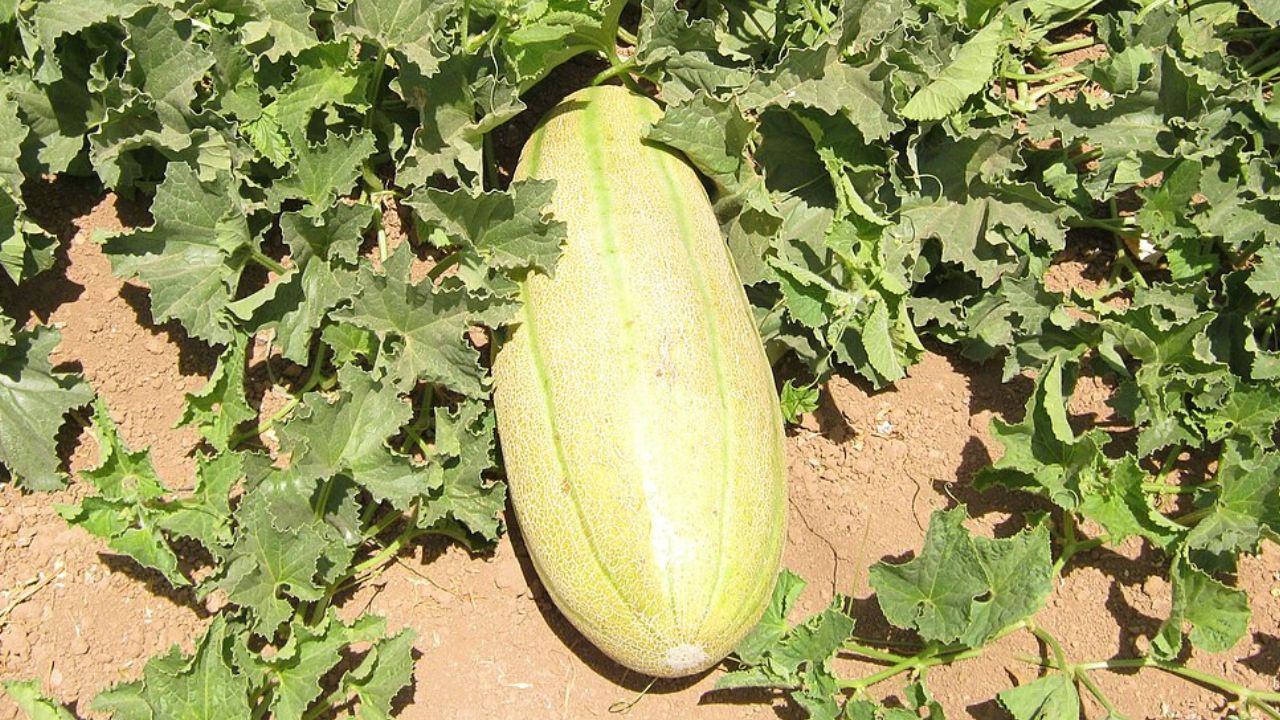
Persian melons are a rewarding choice for home gardeners who want to grow sweet, aromatic fruit in a warm, sunny garden. These melons typically produce round to slightly oval fruits with attractive netted skin, juicy flesh, and a rich, refreshing flavor. They need warmth, plenty of sunlight, fertile soil, and consistent moisture to perform well.
Growing Persian melons at home is not especially difficult, but the plants need enough space because their vines can spread quickly. With proper preparation and regular care, even a beginner can produce healthy vines and flavorful melons during the growing season.
Choosing the Right Location
The first step toward a successful Persian melon crop is choosing a suitable growing location. Melons need full sun, ideally receiving at least six to eight hours of direct sunlight each day. A sunny position helps the plants develop strong vines and supports better flowering, fruit development, and sweetness.
Choose an area with good air circulation and protection from strong winds. Avoid locations where water regularly collects after rain because soggy soil can damage the roots. If garden space is limited, Persian melons can also be grown in large containers, provided the container has excellent drainage and enough room for the roots.
Preparing the Soil
Persian melons grow best in loose, fertile, well-draining soil. Before planting, work several inches of mature compost or well-rotted organic matter into the planting area. This improves soil structure while providing nutrients that support vigorous growth.
A slightly acidic to neutral soil is generally suitable. Heavy clay soil should be improved with organic matter so excess water can drain more easily. Sandy soil may need additional compost because it can lose moisture and nutrients quickly.
Avoid planting melons repeatedly in the same location every year. Rotating crops can help reduce the buildup of soil-related pests and diseases.
Starting Persian Melon Seeds
Persian melon seeds can be started directly in the garden once the soil has warmed and the danger of cold weather has passed. Melons are warm-season plants, so planting too early can result in slow growth or poor germination.
Plant seeds about half an inch to one inch deep in moist soil. Depending on the available space, sow several seeds together and thin the seedlings later, keeping the strongest plants. If starting seeds indoors, sow them in individual biodegradable pots several weeks before outdoor planting so the roots experience minimal disturbance during transplanting.
Keep the soil consistently warm and lightly moist while seeds are germinating. Under suitable conditions, seedlings can emerge within several days to a couple of weeks.
Providing Enough Space
Persian melon vines can become surprisingly large, so spacing is important. Give individual plants plenty of room to spread across the ground. Crowded plants compete for sunlight, water, and nutrients and may also experience poorer air circulation.
If garden space is limited, a strong trellis can be used to train the vines upward. However, developing melons can become heavy, so fruits growing vertically may need individual support using soft fabric slings or similar supports.
For ground-grown vines, placing mulch beneath the plants and developing fruit can prevent direct contact with wet soil and reduce the risk of fruit damage.
Watering Persian Melons
Consistent watering is one of the most important parts of Persian melon care. Young plants need regular moisture while their roots are developing. Water deeply enough to moisten the root zone rather than giving the plants frequent, shallow sprinklings.
During hot weather, the plants may need more frequent watering, particularly when grown in containers or sandy soil. Water near the base of the plant and try to keep the leaves dry. Drip irrigation or a soaker hose is particularly useful because it delivers water directly to the soil.
As the melons mature, avoid allowing the plants to experience extreme swings between very dry and very wet conditions. Consistent moisture supports healthy fruit development and helps reduce problems such as splitting.
Mulching Around the Plants
A layer of organic mulch can make Persian melon care easier throughout the growing season. Straw, shredded leaves, or another suitable organic material can help conserve soil moisture and moderate soil temperature.
Mulch also reduces weed competition and keeps developing melons from sitting directly on damp soil. Leave a small gap around the main stem rather than piling mulch against it, as excessive moisture around the stem can encourage problems.
Fertilizing Persian Melons
Persian melons are vigorous plants and benefit from fertile soil. Compost added before planting provides a good nutritional foundation, but additional feeding may be useful as the vines develop.
Early in the season, a balanced fertilizer can encourage healthy leaf and vine growth. Once flowering and fruit production begin, avoid excessive nitrogen because too much nitrogen can encourage lush foliage at the expense of fruit development.
A fertilizer containing appropriate amounts of phosphorus and potassium can support flowering and fruit development. Always follow the application instructions on the fertilizer package rather than applying more than recommended.
Managing Flowers and Pollination
Persian melons produce separate male and female flowers on the same plant. Bees and other pollinating insects normally transfer pollen from male flowers to female flowers.
Good pollination is essential for fruit formation. Encourage natural pollinators by avoiding unnecessary insecticide use while flowers are open and by maintaining a garden environment with flowering plants.
If few pollinators are visiting the garden, hand pollination can be performed by transferring pollen from a male flower to the center of a female flower using a small, clean brush. Female flowers can usually be recognized by the small swelling behind the flower, which eventually develops into the melon.
Supporting Healthy Vine Growth
Once Persian melon vines begin spreading, guide them gently so they grow in the desired direction. Avoid repeatedly moving or twisting established vines because the stems can become fragile.
Remove severely damaged or diseased leaves when necessary, but avoid excessive pruning. Healthy leaves are important because they produce the energy the plant needs for fruit development.
Keeping weeds under control is also important. Weeds compete for moisture and nutrients and can create dense, humid conditions around the vines.
Protecting Developing Melons
As fruits begin to grow, inspect them regularly for signs of pests, disease, or physical damage. Place straw, cardboard, or another clean barrier beneath ground-grown melons if necessary.
Rotate the fruit occasionally and carefully so that different sides receive similar exposure and the underside does not remain continuously wet. Do this gently because twisting the fruit or vine too aggressively can cause damage.
Watch for common garden pests such as aphids, cucumber beetles, squash bugs, and other insects that may feed on melon plants. Regular inspection allows problems to be noticed before they become severe.
Recognizing When Persian Melons Are Ready
Knowing when to harvest is essential for getting the best flavor. Persian melons generally develop stronger aroma and changes in appearance as they approach maturity. The fruit may also develop a warmer background color beneath its netted surface.
One of the most useful signs is the stem area. As the fruit reaches maturity, the connection between the melon and vine may begin to weaken, and the fruit can separate more easily. A strong, sweet fragrance is another helpful indication.
Avoid relying on a single sign. Check the fruit’s color, aroma, stem condition, and overall development together before harvesting.
Harvesting Persian Melons
Harvest Persian melons carefully to avoid bruising the fruit. When a melon has reached maturity, it may detach from the vine with gentle pressure, depending on the variety. If it does not release easily, use clean garden shears or a knife to cut the stem while leaving a small portion attached.
Handle harvested melons gently because bruises can shorten their storage life. Keep freshly picked fruit in a cool, dry location for short-term storage, following the characteristics of the particular variety.
For the best eating quality, allow the harvested melon to reach its ideal eating stage before cutting it open. Once sliced, refrigerate the unused portion in a covered container.
Common Problems When Growing Persian Melons
Several problems can affect Persian melon plants. Yellowing leaves may result from watering issues, poor drainage, nutrient deficiencies, or natural aging. Wilting can occur because of heat or insufficient moisture, but persistent wilting can also indicate root problems.
Poor fruit production may be caused by inadequate pollination, excessive nitrogen, insufficient sunlight, or unsuitable temperatures. Cracked fruit can sometimes result from irregular watering, particularly when plants experience a long dry period followed by heavy watering.
Powdery mildew and other fungal problems may develop when conditions are warm and humid with poor air circulation. Giving plants adequate spacing, watering at soil level, and removing badly affected plant material can help maintain healthier growth.
Growing Persian Melons in Containers
Persian melons can be grown in containers if adequate space and support are provided. Choose a large container with drainage holes and use a high-quality growing medium that drains well while retaining enough moisture.
Container plants usually require more frequent watering than plants growing in the ground because their soil dries out faster. Check the moisture level regularly, particularly during hot weather.
A trellis can help save space, but developing fruits should be supported if the vines are trained vertically. Container-grown plants may also benefit from regular feeding because nutrients can be depleted more quickly from a limited volume of growing medium.
Tips for Sweeter, Healthier Melons
Strong sunlight, healthy leaves, proper watering, and good nutrition all contribute to high-quality Persian melons. Do not overwater plants simply because the weather is hot; instead, check the soil and water when needed.
Avoid excessive fertilizer, especially high-nitrogen products, and maintain good air circulation around the foliage. Keep developing fruit clean and protected from consistently wet soil.
Most importantly, be patient. Fruit quality improves when the plant is allowed to complete its natural growth cycle and the melons are harvested at the right stage.
Final Thoughts
Growing Persian melons at home can be a satisfying project that rewards consistent care with sweet, juicy fruit. Start with fertile, well-drained soil, provide plenty of sunlight, give the vines enough space, and maintain steady moisture throughout the main growing period.
Pay close attention to flowering, pollination, pests, and fruit development as the season progresses. With proper watering, balanced fertilization, good garden hygiene, and careful harvesting, Persian melon plants can thrive in a home garden and provide a delicious harvest that makes the effort worthwhile.
