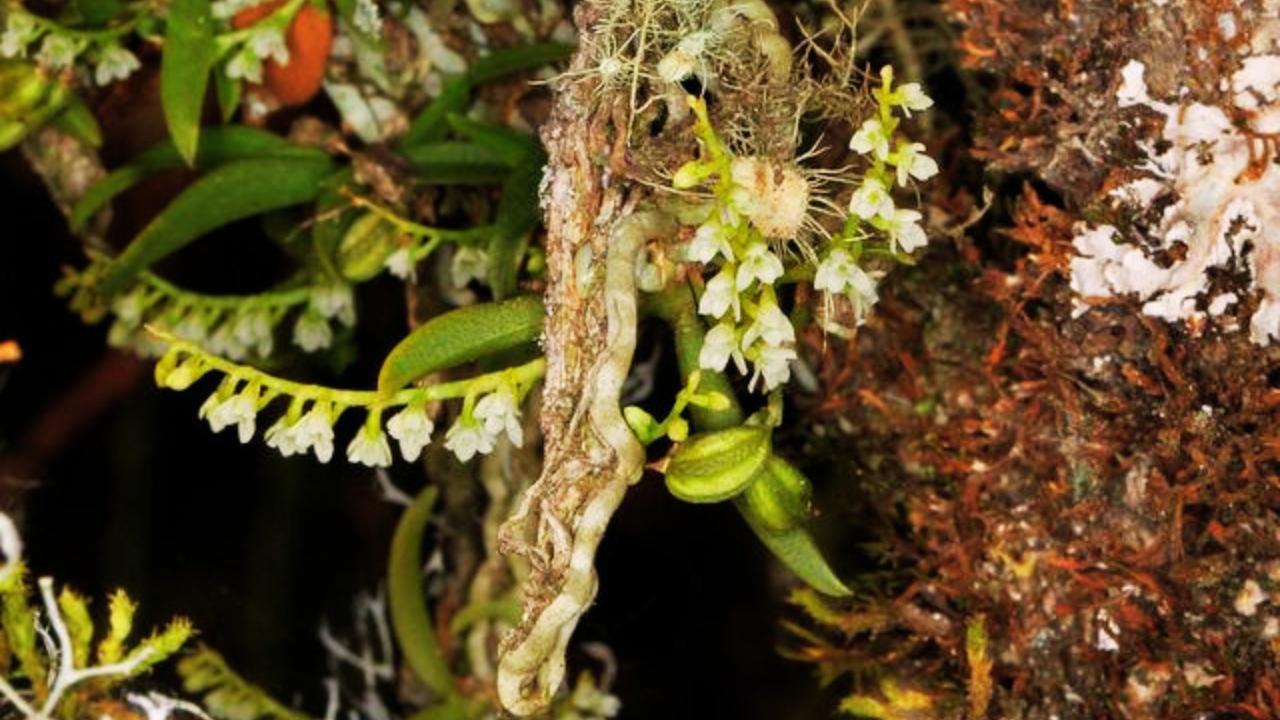
Chamaeanthus is a fascinating and relatively uncommon flowering plant valued for its attractive foliage, unique growth habit, and ornamental blooms. Gardeners who enjoy cultivating unusual plants often appreciate Chamaeanthus for its elegant appearance and adaptability to different growing environments. Whether grown in containers, greenhouses, shaded garden beds, or indoor collections, this plant can become a striking addition when provided with proper care.
Although Chamaeanthus is not as widely cultivated as many common ornamental species, it rewards attentive growers with healthy growth and seasonal flowering. Understanding its natural habitat and growth requirements is the key to maintaining a vigorous and long-lived specimen. From soil selection and watering practices to propagation methods and flowering enhancement, every aspect of care contributes to the plant’s overall health and beauty.
Understanding the Natural Growing Environment
Successful cultivation begins with understanding where Chamaeanthus originates and how it grows in nature. Most species associated with this group thrive in warm, humid environments where they receive filtered sunlight rather than direct exposure throughout the day. They are often found in areas with rich organic matter, consistent moisture, and good air circulation.
Replicating these conditions at home helps reduce stress on the plant. Growers should aim to create an environment that balances humidity, moisture, warmth, and indirect light. By mimicking natural conditions, Chamaeanthus can establish strong roots and produce healthy foliage throughout the growing season.
Choosing the Ideal Location
Selecting the right location plays a significant role in plant performance. Chamaeanthus generally prefers bright, indirect light. A position near an east-facing window indoors or a lightly shaded outdoor location often works well. Too much direct sunlight can scorch leaves and reduce overall vigor, while insufficient light may result in weak growth and poor flowering.
When grown outdoors, protection from harsh afternoon sun is especially important in warmer climates. Morning sunlight combined with afternoon shade usually creates an ideal balance. Indoor growers may supplement natural light with grow lights if the available sunlight is limited.
Soil Requirements for Healthy Growth
The foundation of a thriving Chamaeanthus plant lies in its soil. Well-draining, nutrient-rich soil allows roots to receive adequate oxygen while maintaining enough moisture for steady growth. Heavy soils that remain soggy for extended periods can lead to root problems and hinder development.
A suitable growing mix typically contains organic matter such as compost, leaf mold, or coconut coir combined with materials that improve drainage. Perlite, coarse sand, or fine bark can help create a balanced texture. The goal is to achieve a medium that retains moisture without becoming waterlogged.
Maintaining slightly acidic to neutral soil conditions often supports optimal nutrient absorption. Regularly refreshing container soil every couple of years can further improve plant health and encourage vigorous growth.
Watering Practices That Work Best
Consistent watering is essential, but overwatering is one of the most common mistakes made by growers. Chamaeanthus prefers evenly moist soil rather than extremes of dryness or saturation. Allowing the upper layer of soil to dry slightly before watering again often provides the right balance.
Environmental conditions influence watering frequency. During warm weather and active growth periods, plants generally require more frequent watering. In cooler months, growth slows and moisture requirements decrease accordingly.
Using room-temperature water and ensuring proper drainage can prevent stress. Containers should always have drainage holes to allow excess water to escape freely. Monitoring soil moisture regularly is far more effective than following a rigid watering schedule.
Temperature and Humidity Preferences
Chamaeanthus thrives in moderate to warm temperatures and appreciates stable growing conditions. Sudden temperature fluctuations can stress the plant and affect growth quality. Most specimens perform well when temperatures remain comfortably above freezing and within a moderate range throughout the year.
Humidity is another important factor. In dry indoor environments, especially during winter heating periods, leaf edges may become brown or crispy. Increasing humidity through pebble trays, humidifiers, or grouping plants together can help maintain healthy foliage.
Adequate air circulation should accompany higher humidity levels. Good airflow reduces the risk of fungal issues while supporting overall plant vigor.
Fertilizing for Strong Growth
Like most ornamental plants, Chamaeanthus benefits from regular feeding during active growth periods. Balanced fertilizers provide essential nutrients that support leaf production, root development, and flowering potential.
A diluted liquid fertilizer applied every few weeks during spring and summer often delivers excellent results. Slow-release fertilizers may also be used for gardeners who prefer less frequent applications.
Excessive fertilization should be avoided, as it can lead to salt buildup and damage sensitive roots. Signs of overfeeding may include leaf burn, distorted growth, or reduced flowering. Moderation and consistency generally produce the best outcomes.
Repotting and Root Care
Container-grown Chamaeanthus eventually outgrows its pot and benefits from periodic repotting. Signs that repotting is needed include roots emerging from drainage holes, reduced growth, or soil that dries unusually quickly.
Spring is often the ideal time for repotting because the plant is preparing for active growth. Select a container only slightly larger than the current one to avoid excessive soil moisture retention.
During the repotting process, inspect roots carefully. Healthy roots appear firm and light-colored. Any damaged or decayed roots should be removed using clean tools. Fresh growing medium provides renewed nutrients and improved drainage conditions.
Propagation Techniques for Expanding Your Collection
Propagation is an enjoyable way to produce new Chamaeanthus plants and preserve desirable characteristics. Several methods may be used depending on the species and growing conditions.
Division is one of the simplest techniques when mature plants form multiple growth clusters. Carefully separating healthy sections with roots attached allows each division to establish independently.
Stem cuttings may also be successful. Healthy cuttings taken during active growth can root in a moist propagation medium when provided with warmth and humidity. Maintaining consistent moisture without excessive wetness improves success rates.
Some growers experiment with seed propagation. Although slower than vegetative methods, growing plants from seed can be rewarding and may produce unique variations. Patience is important, as seedlings often require considerable time before reaching maturity.
Encouraging Better Flowering
Many gardeners grow Chamaeanthus primarily for its attractive blooms. Achieving reliable flowering requires attention to several cultural factors.
Adequate light remains one of the most important requirements. Plants receiving insufficient light frequently produce lush foliage but few flowers. Bright indirect light often supports bud development without causing leaf damage.
Balanced fertilization also contributes to flowering success. Excessive nitrogen encourages leaf growth at the expense of blooms. Using fertilizers with balanced nutrient ratios helps maintain equilibrium.
Consistent moisture, proper temperatures, and avoiding severe stress further improve flowering performance. Mature plants typically flower more reliably than young specimens, making patience an important part of the process.
Common Problems and Their Solutions
Even well-maintained plants occasionally encounter challenges. Yellowing leaves may indicate overwatering, poor drainage, or nutrient deficiencies. Adjusting watering practices and improving soil conditions often resolves the issue.
Brown leaf edges commonly result from low humidity, inconsistent watering, or excessive fertilizer use. Identifying the underlying cause allows growers to make targeted corrections.
Pests such as spider mites, aphids, and mealybugs can sometimes appear, especially on indoor plants. Regular inspection helps detect infestations early. Gentle cleaning, insecticidal soap, or appropriate horticultural treatments can usually manage these pests effectively.
Fungal problems may develop when humidity is high but airflow is poor. Maintaining proper spacing and ventilation significantly reduces disease risks.
Seasonal Care Throughout the Year
Chamaeanthus experiences changing needs throughout the seasons. Spring and summer represent the primary growth period, requiring regular watering, fertilization, and monitoring for new growth.
Autumn often marks a gradual slowdown. Watering frequency can be reduced slightly while continuing to provide adequate light. During winter, many plants enter a period of reduced activity and require less moisture and fertilizer.
Understanding these seasonal cycles allows growers to adjust care routines naturally. Supporting the plant’s annual rhythm promotes healthier growth and stronger flowering in subsequent seasons.
Long-Term Success with Chamaeanthus
Growing Chamaeanthus successfully is largely a matter of consistency. Providing appropriate light, well-draining soil, balanced moisture, and sufficient humidity creates the conditions needed for long-term health. Regular observation allows growers to identify issues before they become serious problems.
As the plant matures, it often becomes more resilient and rewarding. Its distinctive foliage, graceful growth habit, and attractive flowers make it a valuable addition to plant collections and ornamental gardens alike. With patience and proper care, Chamaeanthus can thrive for many years, offering continuous beauty and satisfaction to dedicated gardeners.
