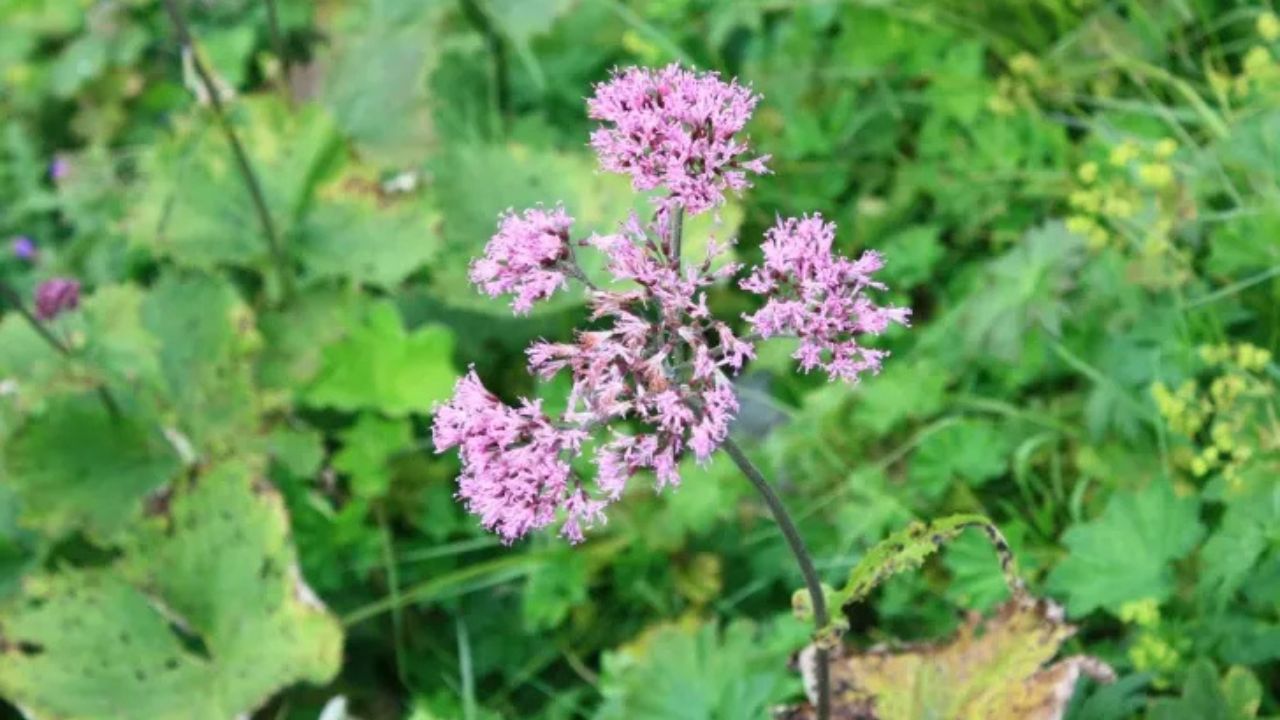
Adenostyles is a striking perennial plant admired for its large, lush foliage and clusters of soft pink to purple flowers that brighten shaded gardens from midsummer into early autumn. Native to cool mountain regions of Europe, this moisture-loving plant naturally thrives along woodland edges, stream banks, and damp meadows. Gardeners value Adenostyles not only for its attractive appearance but also for its ability to fill difficult shady spaces with bold texture and long-lasting greenery.
Although it has a wild appearance, Adenostyles is surprisingly easy to grow when provided with the right conditions. Consistently moist soil, protection from harsh afternoon sun, and rich organic matter are the keys to healthy growth. Once established, this hardy perennial requires relatively little maintenance while providing years of dependable beauty.
Understanding Adenostyles Growth Requirements
Before planting Adenostyles, it helps to understand the conditions it naturally prefers. Since it originates from cool mountainous habitats, it performs best in environments that remain consistently moist and moderate in temperature.
The plant develops broad heart-shaped leaves that create an impressive leafy display even before flowering begins. Mature plants typically reach between 2 and 5 feet tall depending on the variety and growing conditions. Flower stems rise above the foliage, carrying clusters of nectar-rich blossoms that also attract beneficial pollinators.
Adenostyles performs best in USDA Hardiness Zones 4 through 8, where winters provide the dormancy it needs and summers remain relatively mild.
Choosing the Best Planting Location
Selecting the proper planting site has a major impact on the health and appearance of Adenostyles. Unlike many flowering perennials, it appreciates shade more than direct sunlight.
Morning sunlight combined with afternoon shade creates nearly ideal conditions. In cooler climates, a little additional sunlight is usually acceptable, while warmer regions should provide protection from intense afternoon heat.
Woodland gardens, shaded borders, pond edges, and areas beneath open-canopy trees all make excellent planting locations. Because the plant naturally enjoys moisture, avoid sites that become excessively dry during summer.
Good air circulation also helps reduce fungal issues while allowing the foliage to remain healthy throughout the growing season.
Soil Preparation for Healthy Growth
Rich, fertile soil supports vigorous foliage and abundant flowering. Adenostyles prefers humus-rich soil that retains moisture while draining well enough to prevent standing water around the roots.
Before planting, work generous amounts of compost, leaf mold, or aged organic matter into the soil. These materials improve both fertility and moisture retention while encouraging beneficial soil organisms.
The ideal soil pH ranges from slightly acidic to neutral, approximately 6.0 to 7.0. If your soil is sandy, adding organic matter greatly improves its ability to hold moisture. Heavy clay soils can also be improved with compost to enhance drainage and root development.
How to Plant Adenostyles
Spring and early autumn are generally the best times for planting Adenostyles because cooler temperatures reduce transplant stress.
Dig a planting hole roughly twice as wide as the root ball while keeping the depth equal to the container. Place the plant so the crown sits level with the surrounding soil.
Backfill gently, firm the soil around the roots, and water deeply to eliminate air pockets.
Space plants approximately 24 to 36 inches apart. This spacing allows mature foliage to spread naturally while maintaining good airflow between plants.
Applying a layer of mulch immediately after planting helps retain moisture and regulate soil temperature.
Watering Requirements Throughout the Year
Consistent moisture is one of the most important aspects of Adenostyles care. The soil should remain evenly moist but never permanently waterlogged.
Newly planted specimens require frequent watering while roots establish. Deep watering once or twice each week usually works better than frequent shallow irrigation because it encourages deeper root growth.
During hot summer weather, monitor the soil regularly. Large leaves lose moisture quickly, especially during dry periods. If the foliage begins to droop during the day and does not recover by evening, additional watering is usually necessary.
Winter watering is rarely needed except during prolonged dry spells in regions with little snowfall.
Fertilizing for Strong Foliage and Flowers
Adenostyles benefits from moderate feeding rather than heavy fertilization.
Applying compost each spring naturally replenishes nutrients while improving soil structure. A balanced slow-release fertilizer can also be applied at the beginning of the growing season if soil fertility is low.
Avoid excessive nitrogen applications because they may encourage oversized foliage at the expense of flower production.
A light midsummer feeding with compost tea or organic fertilizer may help maintain healthy growth, especially in poor soils.
Mulching for Moisture Conservation
Mulch provides several important benefits for Adenostyles. Since the plant enjoys cool roots, organic mulch helps maintain stable soil temperatures while reducing moisture loss.
Spread a 2 to 3-inch layer of shredded bark, compost, leaf mold, or pine needles around the base of the plant.
Keep mulch a few inches away from the crown to prevent excessive moisture accumulation that could encourage rot.
Renew mulch annually as it gradually decomposes and enriches the soil.
Seasonal Maintenance Throughout the Year
Spring is the time to remove old foliage that remained through winter. Cleaning away dead leaves allows fresh growth to emerge without obstruction.
Summer maintenance focuses mainly on watering and monitoring plant health. Remove damaged or yellowing leaves whenever necessary to keep the plant attractive.
During autumn, flowering stems can be removed after blooming finishes. Some gardeners leave the dried seed heads in place for additional winter interest.
In winter, Adenostyles naturally becomes dormant. The root system survives below ground while the top growth dies back. In colder climates, an additional layer of mulch offers extra insulation for the roots.
Pruning and Deadheading
Routine pruning requirements for Adenostyles are minimal.
Removing spent flower stalks encourages the garden to remain tidy and may prevent unwanted self-seeding where conditions are favorable.
Old or damaged leaves can be trimmed throughout the growing season without harming the plant.
At the end of autumn or in early spring, cut remaining dead stems close to ground level before new shoots emerge.
Propagation Methods
Division is the easiest and most reliable method of propagating Adenostyles.
Every three to five years, mature clumps can be lifted during spring or early autumn. Carefully separate healthy sections that contain several shoots and an established root system.
Replant divisions immediately and water thoroughly until they become established.
Growing from seed is possible but usually requires more patience because germination may be slow and seedlings take longer to reach flowering size.
Common Problems and Their Solutions
Adenostyles is generally resistant to many serious pests and diseases when grown under suitable conditions.
Slugs and snails occasionally feed on young foliage during wet weather. Hand removal, barriers, or environmentally friendly controls usually keep damage manageable.
Powdery mildew may develop if plants experience poor air circulation combined with humid conditions. Proper spacing and avoiding overhead watering help reduce this risk.
Root rot can occur in permanently waterlogged soil. Ensuring good drainage while maintaining consistent moisture is the best prevention.
Leaf scorch may appear if plants receive excessive afternoon sunlight or insufficient moisture during hot weather.
Growing Adenostyles in Containers
Although primarily grown in garden beds, Adenostyles can also thrive in large containers.
Choose a spacious pot with excellent drainage holes and fill it with rich, moisture-retentive potting mix.
Container-grown plants require more frequent watering because pots dry out faster than garden soil.
Position containers where they receive morning sun and afternoon shade or bright filtered light throughout the day.
Adding compost annually helps maintain soil fertility in containers.
Companion Plants for Shady Gardens
Adenostyles combines beautifully with many other shade-loving perennials.
Hostas create contrasting foliage textures while ferns provide graceful greenery around the larger leaves of Adenostyles.
Astilbes add colorful flower plumes during summer, while Ligularia complements Adenostyles with similarly bold foliage.
Brunnera, Japanese forest grass, hellebores, and primroses also make excellent companions, creating attractive woodland-style plantings with continuous seasonal interest.
Benefits of Growing Adenostyles
Beyond its ornamental value, Adenostyles contributes to a healthy garden ecosystem.
Its flowers attract bees, butterflies, and other beneficial pollinators during the blooming season. The dense foliage also helps suppress weeds by shading the soil.
Because it tolerates shade exceptionally well, Adenostyles fills areas where many flowering plants struggle to thrive. It also provides impressive architectural interest through its large leaves, making it valuable even when not in bloom.
With proper care, a single planting can remain productive and attractive for many years, requiring only occasional division to maintain vigor.
Conclusion
Adenostyles is an outstanding perennial for gardeners seeking a bold, moisture-loving plant that flourishes in shaded landscapes. By providing fertile soil, dependable moisture, partial shade, and annual organic enrichment, you can enjoy vigorous foliage and elegant summer flowers year after year. Its easy-care nature, impressive texture, and ability to brighten woodland gardens make Adenostyles an excellent addition to borders, streamside plantings, and other cool, shaded spaces where it can thrive with minimal maintenance.
