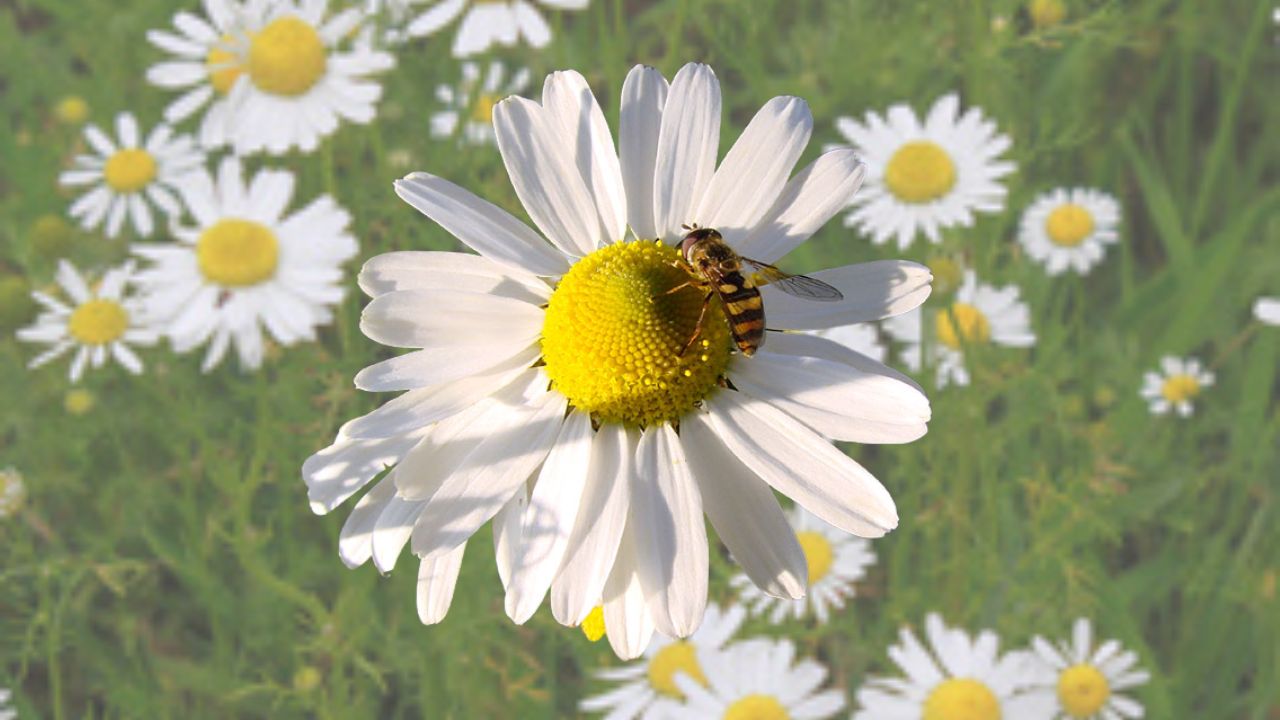
Mayweed is a hardy flowering plant that belongs to the daisy family and is admired for its cheerful white petals and yellow centers. Depending on the species, it may be known as scentless mayweed or chamomile mayweed, with some varieties growing naturally in meadows, roadsides, and open fields. While often considered a wildflower, mayweed can also make an attractive addition to cottage gardens, pollinator gardens, and naturalized landscapes.
Gardeners appreciate mayweed because it grows quickly, tolerates a wide range of conditions, and produces flowers over an extended period. The blooms attract bees, butterflies, and other beneficial insects, helping improve biodiversity in the garden. Its low-maintenance nature also makes it suitable for beginners who want an easy-to-grow flowering plant.
Choosing the Best Location for Mayweed
Selecting the right planting location is one of the most important steps for growing healthy mayweed. This plant thrives in full sun, where it receives at least six hours of direct sunlight each day. While it can tolerate partial shade, flowering tends to be more abundant in brighter conditions.
Mayweed adapts well to open spaces with good air circulation. Avoid planting it in crowded beds where moisture remains trapped around the foliage, as this may increase the risk of fungal diseases. If growing multiple plants together, leave enough spacing between them so each plant has room to spread naturally.
In cooler climates, mayweed enjoys full sun throughout the growing season. In regions with extremely hot summers, light afternoon shade can help reduce stress during periods of intense heat.
Soil Requirements for Healthy Growth
One reason mayweed is so easy to grow is its adaptability to different soil types. It performs well in sandy, loamy, and moderately fertile soils as long as drainage is good. Waterlogged soil should be avoided because consistently wet roots can lead to poor growth and root problems.
A soil pH between 6.0 and 7.5 is generally ideal. Before planting, loosen the soil to improve aeration and mix in compost if the soil is particularly poor. Organic matter enhances moisture retention while still allowing excess water to drain away.
Heavy clay soils can be improved by adding coarse sand and compost, creating a lighter growing medium that encourages healthy root development.
How to Plant Mayweed
Mayweed is commonly grown from seed, making it an affordable choice for filling borders, meadow gardens, or natural landscapes. Seeds can be sown directly outdoors after the final frost or started indoors several weeks before transplanting.
Scatter the tiny seeds over prepared soil and press them gently into the surface without burying them deeply. Since they require light for successful germination, only a very thin covering of soil is needed.
Keep the soil lightly moist until seedlings emerge, which usually takes one to three weeks depending on temperature. Once young plants develop several sets of leaves, thin them so each plant has adequate space to mature.
Container growing is also possible. Choose a pot with drainage holes and use a well-draining potting mix. Containers should be large enough to support the plant’s spreading root system.
Watering Mayweed Properly
Although mayweed is relatively drought tolerant once established, regular watering during its early growth stages helps create a strong root system. Keep the soil evenly moist without allowing it to become soggy.
After establishment, water deeply whenever the top inch of soil feels dry. During periods of prolonged rainfall, additional watering is usually unnecessary. In hot weather, container-grown plants may require watering more frequently than those growing in the ground.
Water at the base of the plant whenever possible rather than wetting the foliage. This simple practice reduces the likelihood of fungal diseases and keeps leaves healthier throughout the growing season.
Fertilizing for Better Blooms
Mayweed is not a heavy feeder and often grows well in average garden soil without frequent fertilization. Too much fertilizer, especially one high in nitrogen, encourages lush leafy growth at the expense of flowers.
Applying compost before planting usually provides enough nutrients for an entire season. If the plants appear weak or are growing in poor soil, a balanced slow-release fertilizer applied in early spring can support healthy development.
Avoid repeated feeding throughout the season unless there is a clear nutrient deficiency. Moderate fertility generally produces the strongest flowering display.
Temperature and Climate Preferences
Mayweed performs best in temperate climates with moderate temperatures. It tolerates cool spring weather and continues blooming well into summer under favorable conditions.
Established plants can withstand occasional dry spells and mild frosts. However, prolonged extreme heat combined with drought may reduce flowering and shorten the blooming period. Providing supplemental water during hot weather helps maintain plant vigor.
In regions with mild winters, some varieties may self-seed and return naturally the following growing season, creating attractive drifts of flowers without additional planting.
Mulching Around Mayweed
A thin layer of mulch around the base of mayweed helps conserve soil moisture, regulate soil temperature, and suppress weed growth. Organic mulches such as shredded bark, straw, or compost work particularly well.
Keep mulch a few inches away from the stems to prevent excess moisture accumulation around the crown. As the mulch gradually breaks down, it contributes valuable organic matter to the soil.
Mulching is especially useful during hot summers when evaporation rates are higher and soil dries more quickly.
Pruning and Deadheading
Regular maintenance encourages healthier plants and a longer flowering season. Deadheading spent flowers prevents excessive seed production and stimulates additional blooms.
If plants become leggy or untidy during midsummer, lightly trimming the stems encourages bushier growth and often results in another flush of flowers.
At the end of the growing season, remove dead stems and faded foliage to keep the planting area tidy and reduce places where pests or diseases might overwinter.
Propagating Mayweed
Growing mayweed from seed is by far the easiest propagation method. Mature flower heads produce numerous seeds that can be collected after they dry completely on the plant.
Store harvested seeds in a cool, dry location until the next planting season. Properly stored seeds often remain viable for several years.
Many gardeners simply allow a few flowers to mature naturally, enabling the plant to self-seed throughout the garden. This creates a charming naturalized appearance while reducing the need for annual planting.
Some perennial relatives can also be divided every few years to maintain healthy growth, although annual mayweed species are almost always propagated by seed.
Common Pests and Diseases
Mayweed experiences relatively few pest problems, making it an excellent low-maintenance garden plant. Occasionally, aphids may gather on young shoots, while spider mites can appear during prolonged hot, dry weather.
Strong sprays of water or insecticidal soap usually provide effective control if infestations become noticeable. Encouraging beneficial insects like ladybugs also helps keep pest populations naturally balanced.
Fungal diseases such as powdery mildew and root rot may develop when plants receive poor air circulation or remain in overly wet soil. Proper spacing, careful watering, and well-drained soil significantly reduce these issues.
Regular inspection allows gardeners to identify problems early before they become widespread.
Seasonal Care Throughout the Year
Spring is the ideal time to prepare the planting area, sow seeds, and apply compost. Young plants benefit from consistent moisture while establishing their roots.
Summer is the peak blooming period. Continue watering during dry spells, remove faded flowers regularly, and monitor for pests or signs of disease.
Autumn is the time to collect seeds, remove declining plants, and prepare garden beds for the next growing season. Composting healthy plant material returns nutrients to the soil.
During winter, perennial varieties require very little attention. In colder regions, a light mulch provides extra protection for overwintering roots.
Growing Mayweed in Containers
Container-grown mayweed offers flexibility for patios, balconies, and small gardens. Choose a container with adequate drainage and fill it with a light, well-draining potting mix.
Place the container in a sunny location and monitor soil moisture more frequently than garden-grown plants. Pots dry out faster, particularly during warm weather.
Occasional feeding with a balanced fertilizer during the growing season helps support continuous flowering in containers where nutrients are gradually depleted.
Removing faded blooms regularly keeps potted plants looking fresh and encourages new flower production.
Benefits of Growing Mayweed
Beyond its ornamental beauty, mayweed offers several ecological benefits. The flowers attract bees, butterflies, hoverflies, and other pollinators that support nearby fruits, vegetables, and flowering plants.
Its extended blooming season provides a reliable nectar source throughout much of the growing season. Naturalized plantings also create habitats for beneficial insects that assist with natural pest control.
The plant’s adaptability makes it valuable for wildflower meadows, roadside plantings, pollinator borders, and informal cottage gardens where minimal maintenance is desired.
Conclusion
Mayweed is an easy-going, resilient flowering plant that rewards gardeners with months of cheerful daisy-like blooms while requiring relatively little care. By providing full sun, well-drained soil, moderate watering, and occasional deadheading, you can enjoy vigorous growth and continuous flowering throughout the season. Whether planted in garden borders, wildflower meadows, or decorative containers, mayweed brings natural beauty, attracts beneficial pollinators, and creates a relaxed, countryside charm that enhances almost any outdoor space. With its simple growing requirements and dependable performance, mayweed remains an excellent choice for both beginner and experienced gardeners seeking a reliable, attractive flowering plant.
