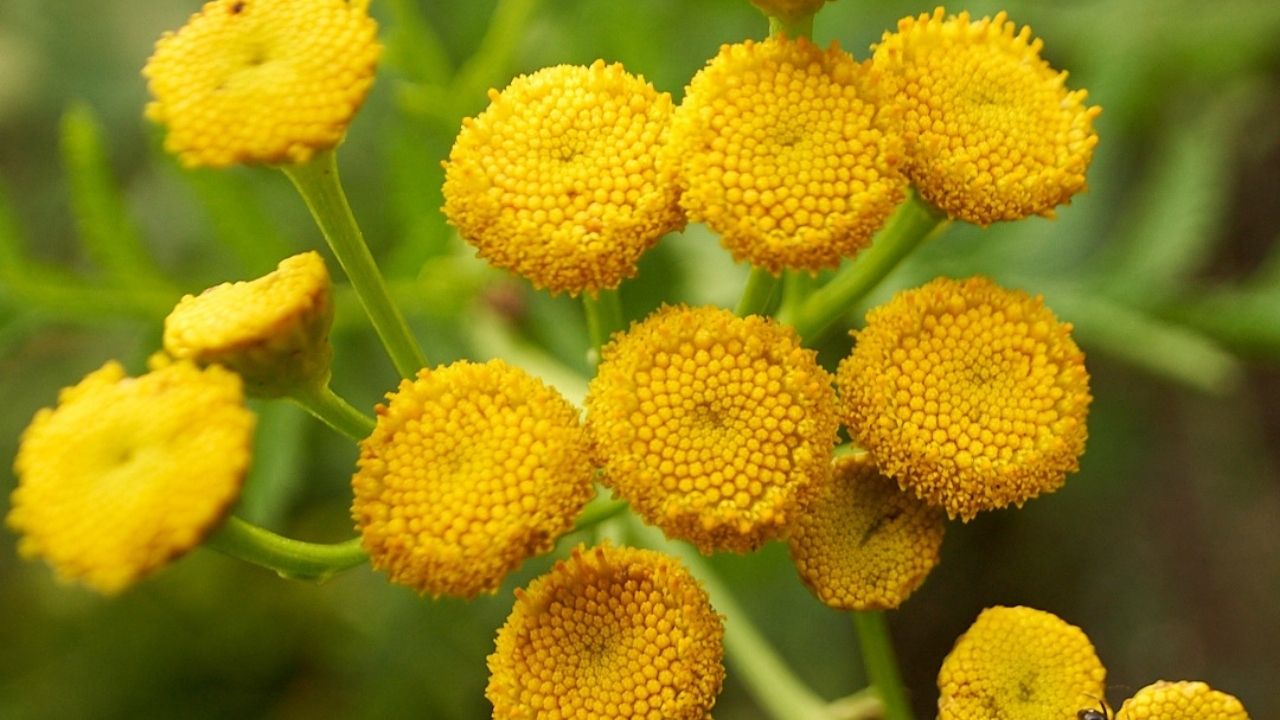
Tansy (Tanacetum vulgare) is a hardy perennial herb known for its clusters of bright golden-yellow button-like flowers and aromatic fern-like foliage. Native to Europe and Asia but now widely naturalized in many regions, tansy has long been valued as an ornamental plant, a traditional medicinal herb, and a natural insect repellent. Its vigorous growth and ability to thrive in less-than-ideal conditions make it an excellent choice for gardeners seeking a low-maintenance perennial.
The plant typically reaches 2 to 5 feet in height and spreads steadily through underground rhizomes. During summer, its cheerful yellow blooms attract numerous beneficial pollinators while adding vibrant color to herb gardens, cottage landscapes, and naturalized planting areas. Although beautiful, tansy is a strong grower that should be planted thoughtfully to prevent it from becoming invasive.
Choosing the Best Location for Tansy
Selecting the right planting site is one of the most important factors for healthy tansy growth. This herb performs best in full sun, where it receives at least six hours of direct sunlight each day. While it tolerates partial shade, flowering tends to be less abundant, and the stems may become leggy.
Tansy adapts well to a wide range of climates and is especially suited for temperate regions. It tolerates cold winters, summer heat, and occasional drought once established. Because of its robust nature, it is commonly used in borders, wildflower gardens, pollinator habitats, and herb collections.
Allow enough space between plants since mature clumps gradually expand over time. Good air circulation also helps keep the foliage healthy throughout the growing season.
Soil Requirements for Healthy Growth
One of tansy’s greatest advantages is its adaptability to different soil types. It grows successfully in sandy, loamy, and even rocky soils, provided the soil drains well. Heavy clay soils should be improved with compost or coarse sand to prevent waterlogging around the roots.
A soil pH between 6.0 and 7.5 is generally ideal, although tansy remains productive outside this range. Rich soils encourage lush foliage, but overly fertile conditions may reduce flower production and encourage excessive leafy growth.
Adding organic matter before planting improves soil structure while enhancing moisture retention without making the soil overly wet.
How to Plant Tansy
Tansy can be planted from seeds, nursery-grown plants, or divisions taken from mature clumps. Seeds may be started indoors several weeks before the final frost or sown directly outdoors after temperatures warm in spring.
When sowing seeds, press them lightly onto the soil surface because they need light for successful germination. Keep the soil evenly moist until seedlings emerge, which usually takes two to three weeks.
Transplants should be placed at the same depth they were growing in their containers. Space plants about 18 to 24 inches apart to provide room for spreading. Water thoroughly after planting to help establish strong root systems.
Applying a light mulch around newly planted tansy helps retain moisture while suppressing weeds during the establishment period.
Watering Tansy Correctly
Although tansy appreciates regular watering during its first growing season, mature plants become remarkably drought tolerant. Deep watering once a week during dry weather is usually sufficient.
Allow the top layer of soil to dry slightly between waterings. Constantly wet soil can lead to root problems, while excessive watering encourages weak growth.
Morning watering is preferable because it allows leaves to dry quickly, reducing the likelihood of fungal diseases. During periods of frequent rainfall, supplemental irrigation is rarely necessary.
Fertilizing for Vigorous Plants
Tansy is not a heavy feeder and generally performs well without frequent fertilization. Excess nutrients often produce abundant foliage at the expense of flowers.
In spring, incorporate a moderate amount of compost around the base of established plants to provide slow-release nutrients throughout the growing season. If the soil is particularly poor, a balanced fertilizer can be applied once in early spring.
Avoid repeated feeding during summer, as overly vigorous growth may reduce the plant’s natural compact form.
Mulching and Weed Control
A thin layer of organic mulch provides several benefits for tansy. It conserves moisture, regulates soil temperature, reduces weed competition, and gradually improves soil quality as it decomposes.
Keep mulch a few inches away from the stems to prevent excess moisture buildup around the crown. Regular weeding is especially important during the plant’s first year before it becomes fully established.
Once mature, tansy forms dense foliage that naturally suppresses many surrounding weeds.
Pruning and Seasonal Maintenance
Routine pruning helps keep tansy attractive and prevents unwanted self-seeding. Removing faded flowers shortly after blooming encourages a tidier appearance and reduces the spread of volunteer seedlings.
Cut back tall stems if they become floppy or overgrown during the growing season. In late autumn or early spring, trim dead stems down to a few inches above ground level to encourage vigorous new growth.
Dividing mature clumps every three to four years rejuvenates older plants, maintains healthy flowering, and limits excessive spreading.
How to Multiply Tansy Successfully
Tansy is exceptionally easy to propagate, making it simple to expand your garden or share plants with others.
Division is the quickest and most reliable propagation method. In early spring or autumn, dig up an established clump and separate it into smaller sections, ensuring each division has healthy roots and shoots. Replant immediately and water thoroughly.
Seeds provide another effective propagation method. Collect mature seed heads after flowering and store them in a cool, dry location until planting season. Fresh seeds often germinate readily under suitable conditions.
Root spread through underground rhizomes naturally creates new plants nearby. These young shoots can be carefully lifted and transplanted once they develop independent root systems.
Growing Tansy in Containers
Although commonly grown in garden beds, tansy also adapts well to large containers. Choose a pot with generous drainage holes and fill it with a well-draining potting mix.
Container-grown plants require more frequent watering than those in the ground, especially during hot summer weather. However, avoid keeping the soil consistently saturated.
Repot every few years or divide crowded root systems to maintain healthy growth. Container cultivation also provides an effective way to limit the plant’s spreading habit.
Common Problems and Their Solutions
Tansy is naturally resistant to many pests because of its aromatic oils. Aphids occasionally gather on tender new growth, but they can usually be removed with a strong spray of water or managed by encouraging beneficial insects such as ladybugs.
Spider mites may appear during prolonged hot, dry weather. Increasing humidity around the plants and rinsing the foliage often helps reduce infestations.
Poor drainage is the most common cause of root rot. Always plant in well-drained soil and avoid excessive irrigation.
Powdery mildew can develop in humid conditions with poor air circulation. Proper spacing and pruning improve airflow and reduce disease risk.
Companion Planting Benefits
Tansy works well alongside many ornamental flowers and herbs. Its bright blooms attract bees, butterflies, hoverflies, and other beneficial pollinators while its fragrant foliage may discourage certain insect pests.
It pairs beautifully with echinacea, yarrow, lavender, salvia, and ornamental grasses in naturalistic landscapes. Many gardeners also plant tansy near vegetable gardens to attract beneficial insects that help maintain ecological balance.
Because of its vigorous growth, avoid placing it too close to delicate or slow-growing plants that could become crowded.
Harvesting and Traditional Uses
Tansy leaves and flowers can be harvested throughout the growing season. For ornamental drying, cut flower stems when the blooms are fully open and hang them upside down in a cool, well-ventilated area until completely dry.
Historically, tansy has been used in traditional herbal practices and as a natural insect deterrent. However, it contains compounds that can be toxic if consumed improperly. It should not be used medicinally or eaten without qualified professional guidance.
Many gardeners instead appreciate tansy primarily as an ornamental perennial, pollinator-friendly flower, and attractive addition to herb gardens.
Preparing Tansy for Winter
Established tansy plants are highly winter hardy and usually require little protection. After frost kills the foliage, cut stems back to ground level or leave some standing to provide winter interest and shelter for beneficial insects.
Apply a light layer of mulch after the ground begins to cool in colder climates. This helps stabilize soil temperatures without encouraging premature spring growth.
In spring, remove winter mulch and any remaining dead stems to make room for fresh shoots.
Final Thoughts
Tansy is a remarkably resilient perennial herb that rewards gardeners with bright golden flowers, attractive fern-like foliage, and years of dependable performance. Its tolerance for poor soils, drought resistance, minimal fertilizer needs, and easy propagation make it one of the simplest perennial herbs to grow. With thoughtful placement, occasional pruning, and periodic division, tansy remains vigorous, colorful, and productive season after season. Whether planted in cottage gardens, pollinator borders, herb collections, or large containers, this hardy plant offers lasting beauty while supporting beneficial insects and adding unique texture to the landscape.
