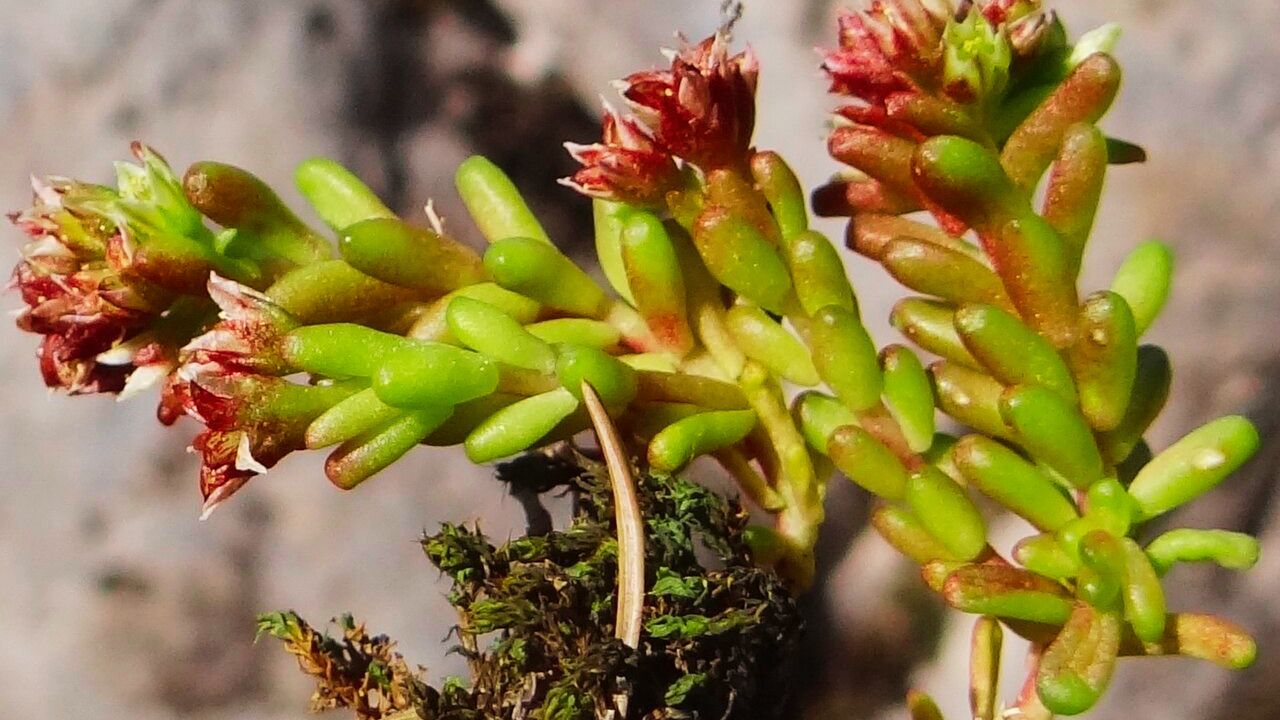
Sedum atratum is a small alpine succulent admired for its compact growth, fleshy leaves, and unique dark-toned foliage that becomes even more striking under bright sunlight. Native to mountainous regions of Europe, this hardy plant naturally grows in rocky crevices, gravelly slopes, and well-drained soils where rainfall drains quickly. Because of these natural growing conditions, Sedum atratum has evolved into an exceptionally drought-tolerant and low-maintenance plant that thrives with minimal care.
Gardeners appreciate Sedum atratum for its ability to add texture and color to rock gardens, alpine beds, stone walls, trough gardens, and decorative containers. Despite its delicate appearance, it is surprisingly resilient and can tolerate challenging growing conditions that would stress many other ornamental plants. With the right combination of sunlight, soil, and watering, this attractive succulent can remain healthy for many years.
Choosing the Best Location
Selecting the proper planting location is one of the most important steps for growing Sedum atratum successfully. Since it naturally grows in exposed mountain environments, this plant performs best where it receives abundant sunlight and excellent air circulation.
A position receiving at least six hours of direct sunlight daily encourages compact growth, stronger stems, and richer foliage coloration. Plants grown in partial shade often become stretched and less attractive as they reach toward available light.
If you live in an area with extremely hot summers, providing light afternoon shade can help protect the foliage from excessive heat stress. However, in most climates, full sun remains the ideal choice.
Good airflow is equally important because stagnant, humid conditions increase the risk of fungal diseases and stem rot.
Soil Requirements for Healthy Growth
The key to growing Sedum atratum successfully is excellent soil drainage. Unlike moisture-loving garden plants, this alpine succulent struggles in heavy clay or waterlogged soils.
A sandy or gravelly soil mix closely mimics its natural habitat and allows excess water to drain rapidly. The ideal growing medium contains coarse sand, fine gravel, crushed stone, or perlite mixed with regular garden soil to improve drainage.
When growing Sedum atratum in containers, choose a high-quality cactus or succulent potting mix. You can further improve drainage by adding extra pumice, coarse sand, or small gravel.
Although fertile soil supports growth, excessive nutrients encourage soft stems and weak foliage. Moderately fertile soil generally produces the healthiest and most compact plants.
Maintaining a soil pH between slightly acidic and neutral works well, although Sedum atratum is adaptable to a fairly wide pH range provided drainage remains excellent.
How to Plant Sedum atratum
Planting is best done during spring or early autumn when temperatures remain moderate and roots can establish before seasonal extremes arrive.
Dig a planting hole just slightly larger than the root ball. Place the plant so the crown sits level with the surrounding soil surface. Avoid burying the stem too deeply, as this can encourage rot.
Backfill with your well-draining soil mixture and gently firm the soil around the roots without compacting it excessively.
Water lightly after planting to settle the soil around the root system. Once established, reduce watering significantly to encourage drought tolerance.
If planting multiple specimens, leave adequate spacing between plants to allow proper airflow as they spread. This helps reduce humidity around the foliage and minimizes disease problems.
Watering Sedum atratum Correctly
One of the biggest mistakes gardeners make with Sedum atratum is overwatering. Since this succulent stores moisture inside its fleshy leaves, it requires far less water than most flowering garden plants.
Allow the soil to dry almost completely before watering again. During spring and summer, watering every one to two weeks is often sufficient depending on rainfall, soil type, and temperature.
Container-grown plants usually dry out faster than those growing in the ground, so monitor soil moisture more frequently.
During autumn, gradually reduce watering as growth slows. In winter, water only occasionally if the soil becomes completely dry, especially for indoor or greenhouse-grown specimens.
Deep but infrequent watering encourages stronger root development and improves drought resistance.
Sunlight Needs Throughout the Year
Bright sunlight is essential for maintaining the compact shape and attractive coloration of Sedum atratum.
During spring and autumn, full sun promotes healthy growth and encourages the development of vibrant foliage. Summer sunlight also benefits the plant, although extremely intense afternoon heat in very warm climates may require partial protection.
Plants grown indoors should be placed near the brightest south-facing or west-facing window available. Supplemental grow lights may be helpful during darker winter months if natural light is limited.
Insufficient light often causes elongated stems, widely spaced leaves, and reduced overall vigor.
Temperature and Climate Preferences
Sedum atratum is naturally adapted to cool alpine environments and tolerates cold temperatures remarkably well.
Many established plants survive freezing winters when planted in well-drained soil. The greatest winter danger is not cold itself but excessive moisture around the roots.
During hot summers, maintaining excellent drainage and avoiding excessive watering helps prevent heat-related stress.
In regions with prolonged humidity, planting in raised beds, rock gardens, or containers often improves growing success by enhancing drainage and airflow.
Fertilizing for Balanced Growth
Sedum atratum requires very little fertilizer to remain healthy. Excess feeding often produces overly lush, weak growth that becomes more vulnerable to disease and environmental stress.
In spring, applying a small amount of balanced slow-release fertilizer is usually sufficient for the entire growing season.
Alternatively, a diluted liquid succulent fertilizer applied once during active growth provides adequate nutrition.
Plants growing in naturally fertile garden soil may not require supplemental feeding at all.
Avoid fertilizing during autumn and winter when active growth slows considerably.
Pruning and Routine Maintenance
Sedum atratum is naturally compact and rarely requires heavy pruning.
Remove damaged, dried, or diseased leaves throughout the growing season to maintain a tidy appearance and improve airflow.
After flowering, spent flower stalks can be trimmed away if desired. While this is mainly cosmetic, it helps keep the plant neat.
Inspect plants regularly for accumulated fallen leaves or debris around the base, especially in humid climates where trapped moisture may encourage fungal problems.
Routine maintenance remains minimal, making this species an excellent choice for gardeners seeking attractive plants with little ongoing care.
Propagating Sedum atratum
Propagation is straightforward and rewarding, allowing gardeners to expand their collection with little effort.
Stem cuttings are among the easiest methods. Select a healthy stem, allow the cut end to dry for a day or two, then place it into slightly moist, well-draining soil. New roots typically develop within several weeks.
Division also works well for mature clumps during spring. Carefully separate rooted sections and transplant them into prepared soil.
Seeds may also be grown, although germination requires patience and seedlings develop more slowly than vegetative propagation.
Regardless of the propagation method, avoid excessive watering until new roots become well established.
Growing Sedum atratum in Containers
Container gardening is one of the best ways to cultivate Sedum atratum, especially in regions with heavy rainfall or poorly draining soils.
Choose a pot with generous drainage holes to prevent standing water around the roots. Terracotta containers are particularly beneficial because they allow excess moisture to evaporate more quickly than plastic pots.
Use a gritty succulent potting mix and avoid oversized containers, which tend to retain moisture longer.
Position the container in a sunny location where the plant receives several hours of direct light each day.
Repot every few years if the plant outgrows its container or if the potting mix begins breaking down and retaining excessive moisture.
Common Problems and Solutions
Sedum atratum is generally resistant to pests and diseases when grown under proper conditions.
Root rot remains the most common problem and almost always results from excessive watering or poor drainage. Soft stems, yellow leaves, and collapsing growth often indicate overly wet soil.
Aphids occasionally appear on fresh spring growth but are easily removed with water sprays or insecticidal soap.
Mealybugs may occasionally hide between leaves, particularly on indoor plants. Regular inspections allow early treatment before infestations spread.
Poor sunlight can lead to leggy growth, while excessive fertilizer produces weak stems that lose their naturally compact form.
Correcting environmental conditions usually restores healthy growth more effectively than relying on chemical treatments.
Seasonal Care Tips
Spring marks the beginning of active growth, making it the ideal time for planting, dividing, repotting, and light fertilization.
Summer care mainly involves monitoring soil moisture, watering only when necessary, and ensuring adequate airflow during periods of high temperatures.
Autumn is an excellent season to clean the plant, remove dead foliage, and reduce watering as temperatures begin cooling.
Winter care is relatively simple. Protect container plants from prolonged waterlogging, minimize irrigation, and allow the plant to remain relatively dry until spring growth resumes.
Why Sedum atratum Makes an Excellent Garden Plant
Sedum atratum combines beauty, durability, and simplicity in a way that few ornamental plants can match. Its attractive succulent foliage, compact alpine habit, and exceptional drought tolerance make it suitable for beginners as well as experienced gardeners. Whether planted among rocks, displayed in decorative containers, or incorporated into alpine landscapes, it provides year-round interest with remarkably little maintenance. By providing abundant sunlight, sharply draining soil, careful watering, and only modest feeding, gardeners can enjoy healthy, vibrant Sedum atratum plants that continue thriving season after season.
