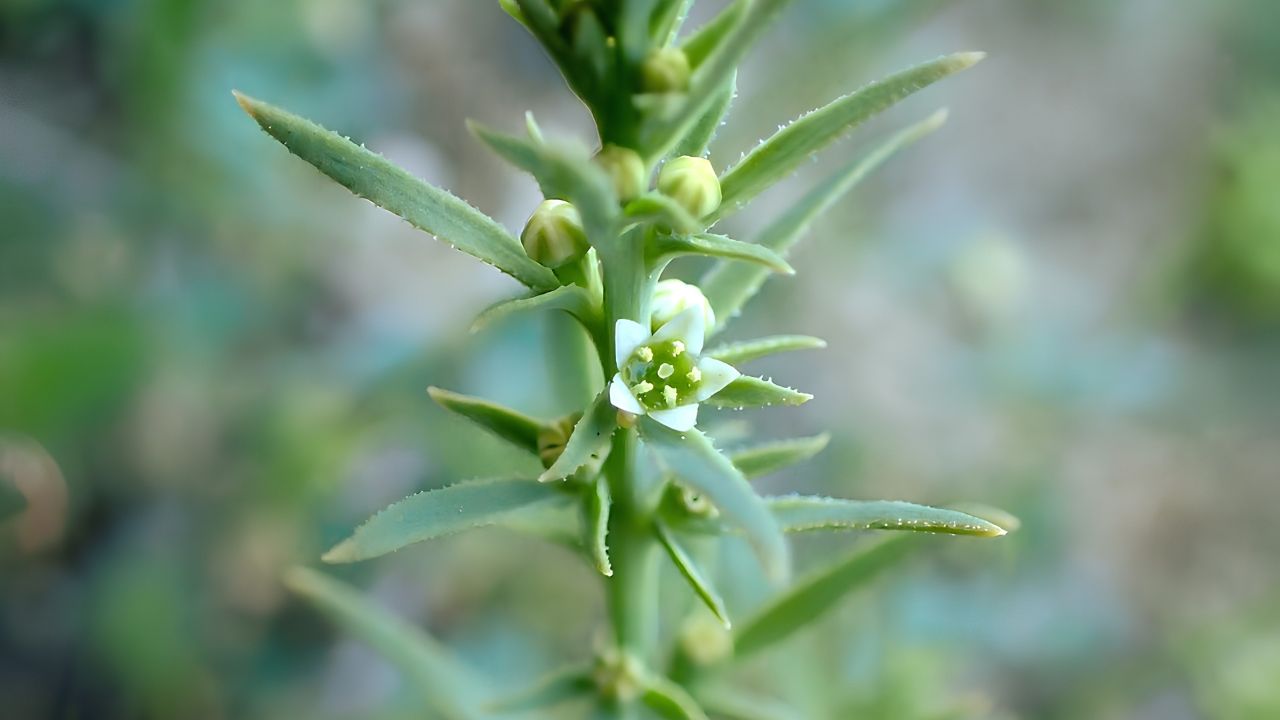
Thesium humile is a small annual herb belonging to the sandalwood family (Santalaceae). Native to parts of Europe, North Africa, and Western Asia, this delicate wild plant naturally grows in dry grasslands, sandy soils, rocky slopes, and open meadows. Although it is not commonly cultivated in home gardens, it attracts the interest of native plant enthusiasts, botanical collectors, and gardeners who appreciate rare wildflowers.
One unique characteristic of Thesium humile is that it is a hemiparasitic plant. This means it produces its own food through photosynthesis but can also attach its roots to nearby plants to obtain additional water and nutrients. Because of this unusual growth habit, cultivating it requires a slightly different approach compared to ordinary garden plants. When provided with the right environment and suitable companion plants, Thesium humile can thrive while maintaining its naturally delicate appearance.
Choosing the Right Growing Location
Selecting the proper planting site is the first step toward growing healthy Thesium humile plants. In nature, this species thrives in open, sunny habitats where competition from large plants is limited.
Choose a location that receives at least six to eight hours of direct sunlight every day. Full sun encourages compact growth, healthy flowering, and strong root development. While the plant can tolerate light afternoon shade in very hot climates, excessive shade often leads to weak stems and poor flowering.
Open areas with good air circulation are ideal. Avoid planting beneath dense trees or alongside vigorous ornamental plants that may outcompete this small species for sunlight and space.
Understanding the Soil Requirements
Thesium humile naturally grows in nutrient-poor soils rather than rich garden beds. The best growing medium is well-drained, sandy, gravelly, or rocky soil that allows excess water to drain quickly.
A soil pH between slightly alkaline and neutral generally suits this plant best, although it can tolerate mildly acidic conditions if drainage remains excellent.
Heavy clay soils should be improved before planting by mixing in coarse sand, grit, or fine gravel. The goal is to create a loose soil structure that mimics its native habitat.
Avoid adding large amounts of compost or manure. Rich organic matter often encourages excessive leafy growth while reducing the plant’s natural adaptation to lean soils.
Understanding Its Hemiparasitic Nature
One of the most fascinating aspects of Thesium humile is its hemiparasitic lifestyle. Unlike fully parasitic plants, it contains chlorophyll and performs photosynthesis. However, its roots may connect to neighboring plants to obtain supplementary nutrients and moisture.
In cultivation, many growers plant Thesium humile near compatible grasses or small herbaceous native plants that can serve as host species without overwhelming it. Native grasses are often excellent companions because they naturally coexist with Thesium species in the wild.
Even when growing independently, young plants may survive, but growth is often stronger and healthier when suitable neighboring vegetation is available.
Understanding this relationship greatly improves long-term success.
How to Plant Thesium humile
Growing Thesium humile from seed is the most common propagation method.
Prepare the planting area by removing weeds and loosening the soil surface. Scatter seeds thinly across the prepared bed or sow them in shallow trays filled with a sandy growing mix.
Since many wildflower seeds require light for germination, cover them only with a very thin layer of fine sand or soil. Keep the growing medium lightly moist but never saturated.
Depending on temperature and moisture conditions, germination may take several weeks.
If transplanting seedlings, move them carefully while they are still young to minimize root disturbance. Since the roots are delicate and may eventually form connections with nearby host plants, avoid excessive handling.
Space plants approximately 15 to 25 centimeters apart to provide enough room for natural growth.
Watering Requirements
Proper watering is essential during the establishment phase.
Newly sown seeds and young seedlings need consistently light moisture until they develop stronger roots. Water gently whenever the soil surface begins to dry.
Once established, Thesium humile becomes relatively drought tolerant and generally requires only occasional watering during prolonged dry periods.
Allow the soil to dry slightly between watering sessions. Constantly wet soil can cause root problems and reduce overall plant vigor.
During rainy seasons, additional irrigation is rarely necessary if natural rainfall provides sufficient moisture.
Sunlight and Temperature Needs
Thesium humile performs best in climates that resemble its native Mediterranean environment.
Bright sunlight supports flowering, compact growth, and healthy foliage. Plants growing in insufficient light often become stretched and less attractive.
The species tolerates moderate heat well, especially when grown in well-drained soils.
As an annual plant in many regions, it completes its life cycle within a single growing season. In areas with mild winters, self-seeding may allow new plants to emerge naturally the following year.
Where severe frost occurs, seeds may require protection or collection for replanting in spring.
Fertilizing Thesium humile
Unlike many ornamental flowers, Thesium humile rarely benefits from heavy fertilization.
Because it naturally grows in nutrient-poor habitats, excessive fertilizer often causes weak growth and may interfere with its natural development.
If soil fertility is extremely poor, a very light application of a balanced, diluted fertilizer once during early growth is usually sufficient.
Avoid high-nitrogen fertilizers, which encourage lush foliage instead of balanced growth.
In most situations, healthy soil structure and suitable companion plants provide all the nutrients this species requires.
Companion Plants for Better Growth
Since Thesium humile often benefits from nearby host plants, selecting appropriate companions can improve cultivation success.
Native bunch grasses make excellent companions because they provide compatible root systems without excessive competition.
Low-growing meadow species that naturally coexist in dry grasslands can also support healthy development.
Avoid planting alongside aggressive perennials, spreading groundcovers, or large shrubs that may overshadow or crowd this delicate annual.
Maintaining balanced plant competition helps recreate the ecological conditions found in its natural habitat.
Seasonal Care Throughout the Year
Spring is typically the main sowing season in cooler climates. Prepare the soil, sow seeds, and maintain gentle moisture until seedlings establish.
During late spring and early summer, monitor plant growth and remove invasive weeds that compete for sunlight and nutrients.
Throughout summer, water only during prolonged drought while allowing natural rainfall to support normal growth.
As flowering ends, seed production begins. If natural reseeding is desired, allow mature seed heads to remain on the plants until seeds fully ripen.
In autumn, collect seeds if you wish to store them for future planting or leave them in place for self-seeding where winters are mild.
Common Problems and Solutions
Thesium humile generally experiences relatively few pest and disease issues when grown in suitable conditions.
Overwatering is the most common problem. Poor drainage may lead to root decline or fungal diseases. Improving soil drainage and reducing irrigation usually resolves these issues.
Heavy weed competition can suppress young seedlings. Regular hand weeding during the early growth stages allows plants to establish successfully.
Insufficient sunlight may produce thin stems and limited flowering. Relocating future plantings to brighter locations greatly improves plant performance.
Poor growth can also result from the absence of suitable companion plants. Introducing compatible native grasses often enhances overall vigor.
Pruning and Maintenance
As a naturally compact annual, Thesium humile requires very little pruning.
Remove damaged or dead stems only when necessary to improve appearance and maintain airflow.
If self-seeding is not desired, remove mature seed heads before they release seeds.
Otherwise, allowing seeds to mature supports natural regeneration and may establish a sustainable population over time.
Routine maintenance mainly involves weed control and monitoring soil moisture rather than regular pruning.
Growing Thesium humile in Containers
Although less common, container cultivation is possible with careful planning.
Choose a shallow container with generous drainage holes and fill it with a sandy, free-draining growing medium containing coarse grit.
Include one or more compatible companion plants to simulate the natural root relationships this species prefers.
Place containers in full sun and water sparingly, allowing the soil to partially dry between watering sessions.
Container-grown plants generally require closer monitoring than those grown in natural garden beds because pots dry more quickly.
Propagation Methods
Seed propagation remains the simplest and most reliable method for growing Thesium humile.
Collect mature seeds after flowering once they have fully ripened. Store them in a cool, dry location until the next suitable planting season.
Direct sowing often produces stronger plants than repeated transplanting because delicate roots remain undisturbed.
Propagation through division or cuttings is generally unsuitable for this annual species.
Final Thoughts
Growing Thesium humile successfully involves recreating the simple conditions of its natural habitat rather than providing rich garden care. Full sunlight, excellent drainage, lean soils, and carefully selected companion plants all contribute to healthy growth. Its unusual hemiparasitic lifestyle makes it one of the more fascinating wildflowers to cultivate, rewarding gardeners with a deeper appreciation for the complex relationships found in nature. With patience, thoughtful site selection, and minimal intervention, Thesium humile can become an intriguing addition to native plant collections, wildflower gardens, and ecological landscapes.
