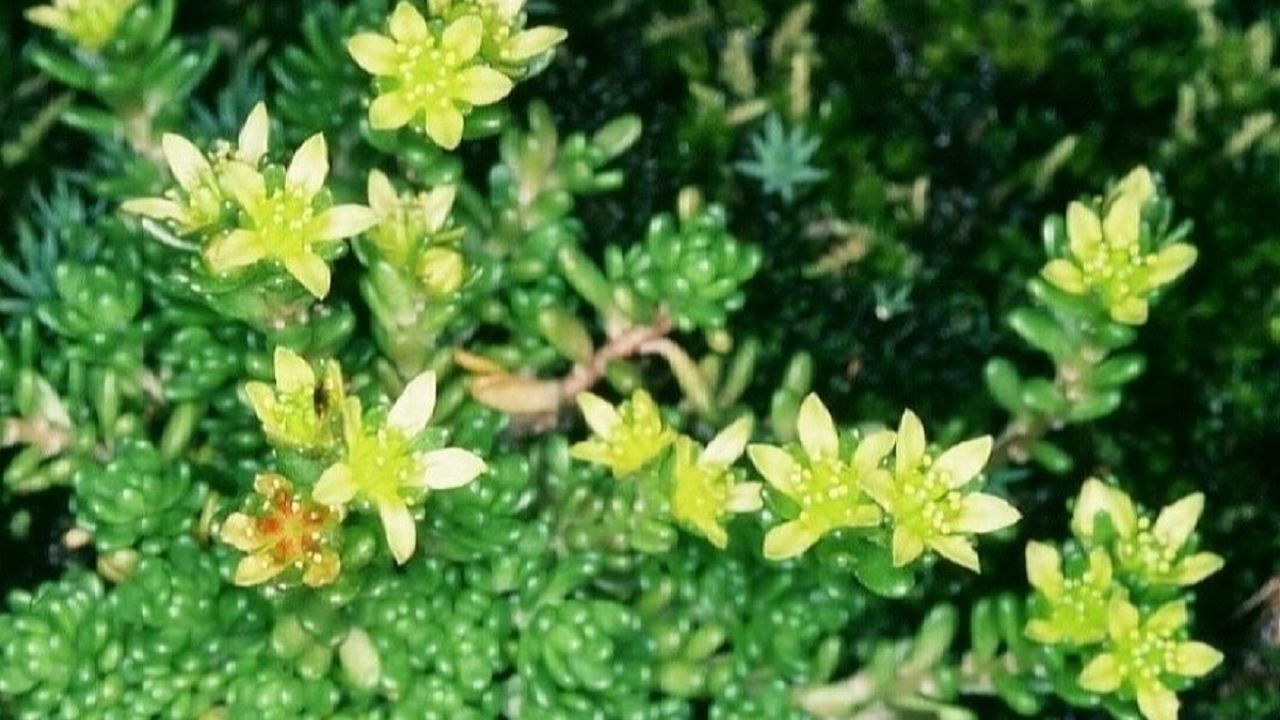
Sedum alpestre is a charming alpine succulent that thrives in rocky landscapes, containers, and sunny garden beds. Native to mountainous regions of Europe, this low-growing plant is admired for its dense mats of tiny fleshy leaves and bright yellow star-shaped flowers that bloom during summer. Its compact growth habit and exceptional drought tolerance make it a favorite among beginner and experienced gardeners alike.
Growing Sedum alpestre at home is surprisingly simple because the plant requires minimal maintenance once established. Whether you’re designing a rock garden, filling gaps between stepping stones, or creating a drought-resistant landscape, this hardy succulent delivers year-round texture and seasonal color with very little effort. Understanding its soil preferences, watering schedule, sunlight requirements, and seasonal care will help you enjoy healthy plants for many years.
Understanding Sedum alpestre
Sedum alpestre belongs to the stonecrop family, a group of succulent plants known for their ability to store water in their leaves. Unlike many ornamental plants that demand constant attention, this species naturally thrives in poor, rocky soils where few other plants succeed.
Its tiny, fleshy leaves remain attractive throughout the growing season, while clusters of cheerful yellow flowers attract bees and other beneficial pollinators. Because of its spreading habit, Sedum alpestre works beautifully as a ground cover, edging plant, or container specimen.
Its ability to withstand drought, wind, and cold temperatures makes it particularly valuable in regions with challenging growing conditions.
Choosing the Best Location
Selecting the right planting location is one of the most important steps for growing healthy Sedum alpestre.
This alpine succulent prefers open spaces where air circulates freely and sunlight reaches the plant for most of the day. Avoid planting it beneath dense trees or shrubs where shade and excess moisture can weaken growth.
Rock gardens, raised beds, gravel gardens, retaining walls, and sunny slopes provide ideal growing conditions. Containers with excellent drainage are equally suitable, especially in areas with heavy rainfall.
Providing plenty of space around the plant also helps reduce humidity, minimizing the risk of fungal diseases.
Soil Requirements
Sedum alpestre performs best in loose, gritty, and fast-draining soil. Since it naturally grows among rocks and gravel, it dislikes rich, heavy soils that retain excessive moisture.
A mixture containing garden soil, coarse sand, fine gravel, and small amounts of compost creates an excellent growing medium. Sandy or rocky soils encourage stronger root development while preventing root rot.
If your garden contains heavy clay, improve drainage by mixing in generous amounts of coarse sand, crushed stone, or horticultural grit before planting.
Avoid using moisture-retaining potting mixes, especially in containers, as consistently wet roots can quickly damage the plant.
The ideal soil pH ranges from slightly acidic to neutral, although Sedum alpestre adapts well to a wide variety of soil conditions.
Sunlight Requirements
Bright sunlight is essential for healthy, compact growth.
Sedum alpestre thrives with six to eight hours of direct sunlight each day. Full sun encourages dense foliage, stronger stems, and abundant flowering during summer.
Plants grown in insufficient light often become stretched, weak, and less colorful. Their stems may elongate as they search for sunlight, reducing the attractive compact form that makes this succulent so popular.
In regions with extremely hot summers, light afternoon shade can help reduce stress during prolonged heat waves, although full morning and midday sunlight should still be available.
Indoor plants should be placed near a south-facing or west-facing window where they receive several hours of bright natural light every day.
Watering Schedule
One of the biggest mistakes gardeners make with Sedum alpestre is overwatering.
Like most succulents, this plant stores water in its leaves, allowing it to survive dry conditions for extended periods.
Water thoroughly after planting to help establish the roots. Once established, allow the soil to dry almost completely before watering again.
During spring and summer, watering every one to two weeks is usually sufficient, depending on temperature, rainfall, and soil type. Hot, dry climates may require slightly more frequent watering, while cooler regions need less.
Reduce watering significantly during autumn and winter when the plant enters a slower growth phase.
Always water the soil rather than the foliage, and avoid leaving standing water around the roots.
Temperature and Climate Preferences
Sedum alpestre is naturally adapted to cool mountain climates and performs well across a wide range of temperatures.
It tolerates freezing winters remarkably well when grown in well-drained soil. Snow often acts as insulation, protecting the plant from severe cold.
Warm summers encourage vigorous growth and flowering, provided adequate drainage is maintained.
Although drought tolerant, prolonged periods of extreme heat combined with excessive humidity can place stress on the plant. Good airflow helps reduce this problem.
In areas with very wet winters, raised beds or rock gardens improve drainage and help protect the roots.
Fertilizing Sedum alpestre
Sedum alpestre requires very little fertilizer.
Excessive feeding often produces soft, weak growth that is more susceptible to disease and winter damage.
A light application of balanced slow-release fertilizer or a small amount of compost in early spring is generally enough to support healthy growth throughout the season.
Container-grown plants may benefit from a diluted succulent fertilizer once during spring and again in early summer.
Avoid fertilizing during late autumn or winter because the plant naturally slows its growth during this period.
Planting Sedum alpestre
Spring and early autumn are excellent planting seasons because moderate temperatures encourage rapid root establishment.
Dig a shallow planting hole slightly wider than the root ball. Position the plant so the crown sits level with the surrounding soil surface.
Backfill with well-draining soil and gently firm the area around the roots without compacting it excessively.
Water lightly after planting to settle the soil.
If planting multiple specimens as ground cover, space them approximately 15 to 25 centimeters apart. Over time, they spread naturally to create an attractive carpet of succulent foliage.
Growing in Containers
Sedum alpestre grows exceptionally well in pots, troughs, and shallow containers.
Choose containers with drainage holes to prevent excess moisture from accumulating around the roots.
Fill the container with a cactus or succulent potting mix enhanced with coarse sand or fine gravel.
Place the container in a sunny location where it receives abundant natural light throughout the day.
Water only when the soil becomes dry, and empty drainage trays promptly after watering to avoid standing water.
Container-grown plants may require repotting every few years as they gradually spread.
Pruning and General Maintenance
Sedum alpestre requires minimal pruning.
Remove faded flowers after blooming if you prefer a tidier appearance, although leaving them in place generally causes no harm.
Trim away damaged, dead, or diseased stems whenever necessary.
If the plant becomes too large for its space, simply trim the edges to maintain the desired shape.
Cleaning away fallen leaves and garden debris also improves air circulation and discourages pests from hiding beneath the foliage.
Overall, routine maintenance is quick and easy.
Propagation Methods
Propagating Sedum alpestre is one of the easiest aspects of growing this succulent.
Stem cuttings root readily during spring and summer. Allow freshly cut stems to dry for a day before placing them into slightly moist, well-drained soil. New roots usually develop within a few weeks.
Division is another reliable method. Mature clumps can be carefully separated into smaller sections, each with healthy roots attached, and replanted immediately.
Although seeds can also be used, propagation from cuttings or division produces faster and more consistent results.
Common Pests and Diseases
Sedum alpestre is generally resistant to serious pest problems.
Occasionally, aphids or mealybugs may appear on young growth. These can usually be removed with a gentle spray of water or treated with insecticidal soap if necessary.
The most common issue is root rot caused by excessive watering or poorly drained soil.
Fungal diseases may develop when humidity remains high and airflow is poor.
Maintaining proper spacing, providing excellent drainage, and watering only when needed greatly reduce the likelihood of disease.
Regular inspection allows small problems to be corrected before they become serious.
Seasonal Care Throughout the Year
Spring is the period of active growth. Remove winter debris, divide crowded plants if needed, and apply a light feeding if desired.
Summer brings flowering and vigorous growth. Continue watering only when necessary and enjoy the colorful blooms that attract pollinators.
Autumn is an ideal time for planting or transplanting. Gradually reduce watering as temperatures cool.
Winter requires very little attention. Outdoor plants are generally hardy, while container plants should be protected from prolonged waterlogging. Avoid excessive watering during dormancy.
Following these simple seasonal practices keeps Sedum alpestre healthy throughout the year.
Landscape Uses and Design Ideas
Sedum alpestre is highly versatile in garden design.
Its low-growing habit makes it ideal for rock gardens, alpine beds, gravel landscapes, retaining walls, and pathways.
It blends beautifully with ornamental grasses, other drought-tolerant succulents, and small alpine perennials.
Gardeners also use it to soften the edges of stone walls, spill over containers, or create colorful living carpets in sunny areas.
Its bright flowers provide seasonal interest while the evergreen succulent foliage maintains texture even after blooming has finished.
Conclusion
Sedum alpestre is an outstanding choice for gardeners seeking a beautiful, resilient, and low-maintenance succulent. Its preference for sunny locations, well-drained soil, and infrequent watering makes it one of the easiest alpine plants to grow successfully at home. With minimal fertilizing, occasional pruning, and proper drainage, this hardy species rewards gardeners with dense green foliage and cheerful yellow blooms year after year. Whether planted in rock gardens, containers, or as a ground cover, Sedum alpestre offers lasting beauty while requiring remarkably little care, making it an excellent addition to almost any sunny landscape.
