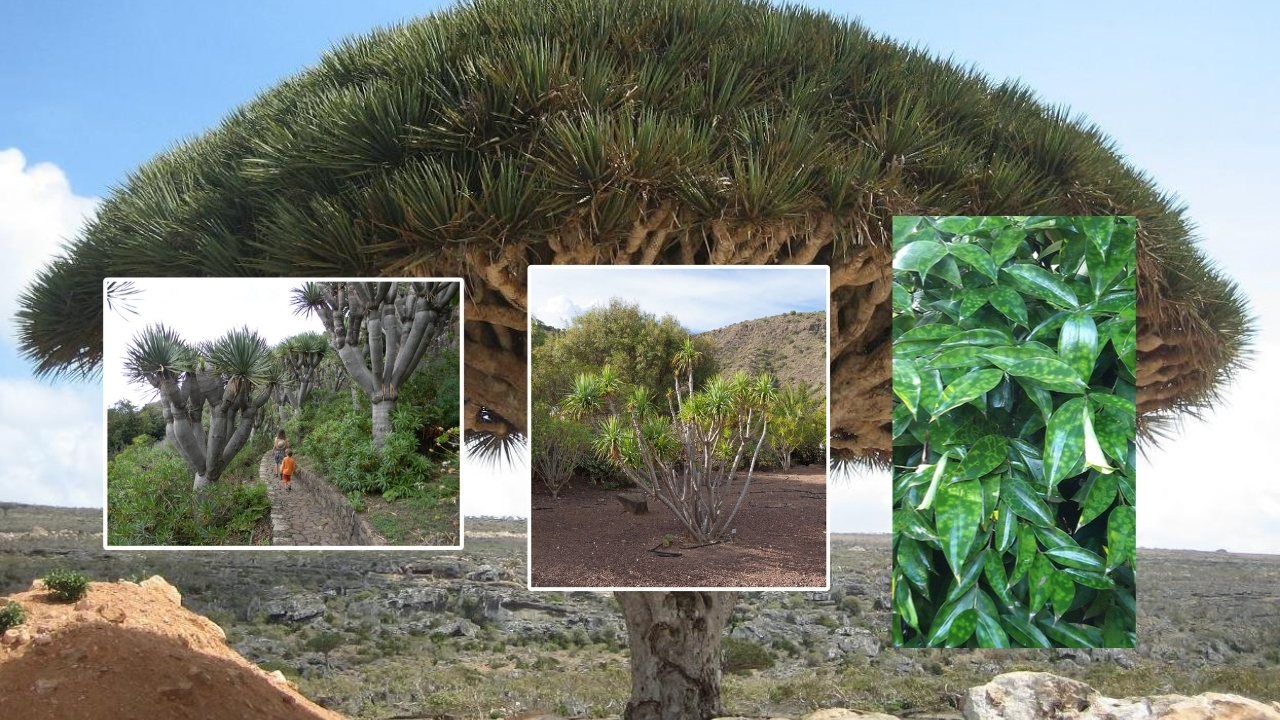
Dracaena is a popular and attractive choice for indoor plant enthusiasts, known for its striking foliage and resilience. With its long, narrow leaves and elegant form, Dracaena can thrive in a variety of home environments, adding a touch of greenery and vibrancy to any room. Whether you’re a seasoned plant parent or a beginner, Dracaena is a fantastic option because of its low-maintenance nature. This guide will walk you through everything you need to know about growing and caring for Dracaena, helping you keep your plant healthy and thriving for years to come.
Choosing the Right Dracaena Variety for Your Home
There are many varieties of Dracaena, each with unique characteristics. Some of the most popular types include Dracaena fragrans (corn plant), Dracaena marginata (red-edge dracaena), and Dracaena sanderiana (lucky bamboo). When selecting a Dracaena, consider the size of the plant and how much space you have in your home. Dracaena plants range from small tabletop varieties to tall, tree-like specimens, so be sure to choose one that fits your interior space.
Dracaena varieties also differ in leaf color and pattern. For example, Dracaena marginata has narrow, green leaves with red edges, while Dracaena fragrans features wider, glossy green leaves. Whichever type you choose, ensure it matches the lighting and aesthetic of your home to create a harmonious living space.
Providing the Right Lighting for Dracaena
Dracaenas are adaptable plants, but they do best in bright, indirect light. They can tolerate lower light conditions, but their growth may slow down, and the leaves may lose some of their vibrancy. If possible, place your Dracaena near a window where it can receive filtered light. Direct sunlight can scorch the leaves, so it’s important to avoid placing the plant in a spot where it will be exposed to harsh rays for extended periods.
If you don’t have access to natural light, Dracaena can still thrive under fluorescent or LED lights. A grow light can help provide the necessary light spectrum for optimal growth, especially in darker rooms or during the winter months when sunlight is limited.
Temperature and Humidity Requirements for Dracaena
Dracaenas are native to tropical regions, so they prefer warm temperatures and moderate humidity levels. Ideally, they should be kept in temperatures between 65°F and 75°F (18°C to 24°C). Avoid placing your Dracaena in drafty areas or near air conditioning or heating vents, as temperature fluctuations can stress the plant.
While Dracaenas are relatively tolerant of low humidity, they will thrive in slightly more humid environments. If you live in a dry climate or during the winter when indoor air tends to be drier, you can increase humidity by placing your Dracaena on a humidity tray or using a humidifier. Alternatively, regularly misting the leaves with water can also help maintain the right moisture levels around the plant.
Watering Dracaena: How to Keep the Soil Moist But Not Soaked
One of the most important aspects of Dracaena care is watering. Dracaenas prefer to dry out between waterings, so it’s crucial to avoid overwatering. To determine when your plant needs water, check the soil moisture by sticking your finger about an inch into the soil. If it feels dry, it’s time to water. If it still feels moist, wait a few more days before checking again.
When watering, it’s essential to use room-temperature water and ensure that it drains properly. Dracaenas are sensitive to sitting in water, which can lead to root rot. Always ensure the pot has good drainage and empty any excess water from the saucer after watering.
During the winter months, when Dracaena’s growth slows down, you may find that the plant requires less frequent watering. Reduce watering frequency to allow the soil to dry out more between waterings, as the plant enters a period of dormancy.
Fertilizing Dracaena for Healthy Growth
Fertilizing your Dracaena is essential to ensure it receives the nutrients it needs for healthy growth. During the growing season, which typically runs from spring to early fall, you can fertilize your Dracaena every 4-6 weeks. Use a balanced, water-soluble fertilizer with equal amounts of nitrogen, phosphorus, and potassium.
Be sure to dilute the fertilizer to about half the recommended strength to prevent over-fertilizing, which can harm the plant. Over-fertilizing can lead to brown leaf tips or stunted growth, so it’s better to err on the side of caution. During the winter months, you can stop fertilizing as the plant is in a resting phase and doesn’t require additional nutrients.
Repotting Dracaena: When and How to Do It
Dracaenas generally do not need frequent repotting, as they are slow-growing plants. However, repotting may be necessary every 2-3 years or when the plant outgrows its pot. Signs that your Dracaena may need repotting include roots growing out of the drainage holes or the plant becoming top-heavy and unstable.
When repotting, choose a pot that is 1-2 inches larger in diameter than the current pot. Be sure to use a well-draining potting mix, as Dracaenas don’t like to sit in soggy soil. Gently remove the plant from its current pot, shake off excess soil, and place it in the new pot. Fill in with fresh potting mix, making sure the plant is at the same soil level as before. Water the plant thoroughly after repotting to help settle the soil around the roots.
Pruning Dracaena for a Neat Appearance
While Dracaenas don’t require heavy pruning, regular trimming can help maintain their shape and remove any dead or damaged leaves. To prune, use clean, sharp scissors or pruning shears to cut away any yellowing or brown leaves at the base of the plant. If your Dracaena becomes leggy or overgrown, you can also cut back the top to encourage new growth from the sides.
Pruning Dracaena can also involve removing any offshoots or stems to create a more compact plant. If you remove the top portion of the plant, you can even propagate it to grow a new Dracaena plant.
Common Pests and Problems with Dracaena
Dracaenas are generally resistant to pests, but they can occasionally fall victim to common indoor plant pests such as spider mites, mealybugs, or scale insects. These pests often appear as tiny, white, or brown spots on the leaves or stems. To treat an infestation, wipe the leaves with a damp cloth or use an insecticidal soap to gently spray the affected areas. Repeat treatments as necessary, following the product’s instructions.
Another common issue with Dracaenas is browning leaf tips, which can be caused by underwatering, overwatering, low humidity, or too much fertilizer. Make sure you’re following proper care guidelines to minimize these issues.
Conclusion: Enjoying Your Dracaena for Years to Come
Caring for a Dracaena can be a rewarding and enjoyable experience, thanks to its attractive appearance and low-maintenance needs. By providing the right amount of light, water, temperature, and occasional fertilizer, your Dracaena will thrive and add a lush, tropical touch to your home. With a little attention and care, you can enjoy your Dracaena for years to come, making it a beautiful and lasting addition to your indoor plant collection.
