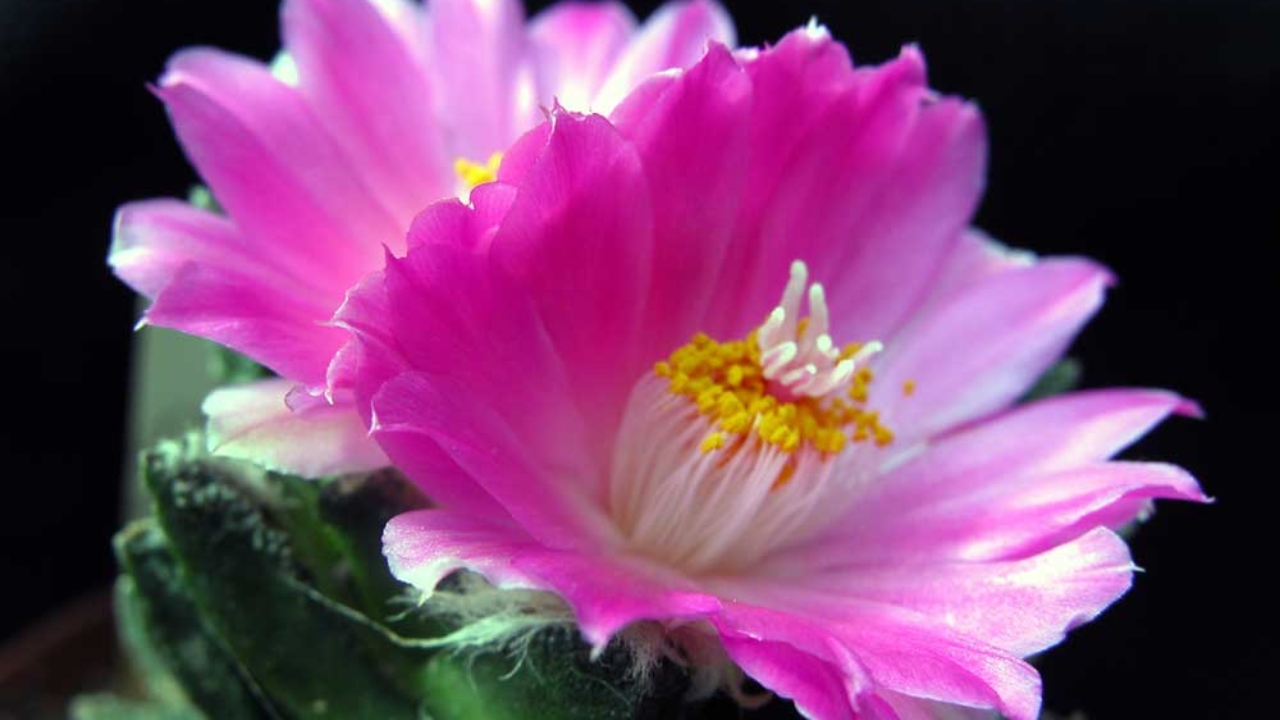
Ariocarpus cactus is one of the most fascinating and sought-after cactus genera among collectors and succulent enthusiasts. Native to the rocky deserts of Mexico and parts of Texas, these unique cacti are admired for their unusual appearance, slow growth, and beautiful flowers. Unlike many traditional cacti, Ariocarpus species lack visible spines and instead develop thick, triangular tubercles that form intricate geometric patterns. Their stone-like texture allows them to blend naturally into desert landscapes, making them highly adapted to harsh environmental conditions.
Although Ariocarpus cactus is considered rare and slow growing, it can thrive for decades when provided with the right care. These plants are not difficult to maintain once their natural habitat is understood. Successful cultivation mainly depends on proper soil drainage, controlled watering, bright sunlight, and patience. Because they grow slowly, every stage of development feels rewarding for growers who appreciate rare and unusual succulents.
Understanding the Natural Habitat
To grow Ariocarpus successfully, it helps to understand where these cacti originate. In the wild, they grow in dry limestone-rich deserts with intense sunlight, low humidity, and minimal rainfall. Their roots penetrate deep into rocky soils to access moisture stored beneath the surface. Temperatures in these regions can be hot during the day and cooler at night, creating an environment with excellent air circulation.
This natural adaptation explains why Ariocarpus requires mineral-rich soil and careful watering practices. Unlike tropical houseplants, these cacti prefer periods of dryness between waterings and can suffer quickly in compact or moisture-retentive soil. Recreating a desert-like environment is the key to long-term health and steady growth.
Choosing the Right Soil for Ariocarpus
Soil quality is one of the most important factors in Ariocarpus cultivation. Ordinary garden soil or standard potting mix is usually too heavy and retains excessive moisture around the roots. Since Ariocarpus is highly sensitive to root rot, a fast-draining mineral-based mix is essential.
A good Ariocarpus soil mix should contain materials such as pumice, coarse sand, lava rock, crushed granite, or perlite. Many growers use very little organic matter because the cactus naturally grows in rocky terrain with limited nutrients. Adding limestone chips or crushed limestone can also benefit the plant because these cacti often grow in alkaline soils.
The texture of the soil should allow water to pass through rapidly while still offering stability to the plant’s root system. Deep pots are generally preferred because Ariocarpus develops a large taproot that needs space to grow downward.
Light Requirements and Sun Exposure
Ariocarpus cactus enjoys bright light and thrives in sunny conditions. However, the intensity of sunlight should be adjusted depending on climate and growing conditions. In cooler regions, full sun is usually beneficial and helps maintain compact growth. In extremely hot climates, light afternoon shade can prevent sun stress during peak summer temperatures.
When grown indoors, Ariocarpus should be placed near the brightest possible window, preferably one facing south or west. Supplemental grow lights may also be useful if natural sunlight is limited. Without adequate light, the cactus may lose its compact shape and develop weak or elongated growth.
Proper light exposure also plays an important role in flowering. Healthy mature plants typically produce attractive pink, white, or magenta flowers during autumn when grown under suitable lighting conditions.
Watering Ariocarpus Correctly
Watering is often the most misunderstood aspect of Ariocarpus care. These cacti are drought tolerant and store water efficiently within their thick tubercles and roots. Overwatering is far more dangerous than underwatering and is one of the main reasons these plants fail in cultivation.
During the active growing season, which usually occurs from spring through early autumn, water the cactus thoroughly only when the soil becomes completely dry. Instead of frequent shallow watering, it is better to water deeply and allow excess moisture to drain away entirely.
In winter, watering should be reduced dramatically. Ariocarpus enters a dormant phase during colder months and requires very little moisture. Many experienced growers keep the plant almost completely dry throughout winter to prevent rot and encourage healthy flowering later in the year.
Humidity should also remain low. Excessive moisture in the air combined with cool temperatures can increase the risk of fungal problems and root damage.
Temperature and Climate Preferences
Ariocarpus cactus adapts well to warm temperatures and dry environments. Ideal daytime temperatures generally range between 20°C and 35°C during the growing season. These cacti can tolerate brief periods of cooler weather if kept dry, but prolonged exposure to frost may damage the plant.
In regions with cold winters, indoor cultivation or greenhouse protection is often necessary. Good ventilation remains important throughout the year because stagnant air combined with moisture can lead to disease.
One advantage of Ariocarpus is its resilience to heat. When properly acclimated, these cacti can withstand intense summer temperatures remarkably well, especially in mineral-rich soil with strong drainage.
Fertilizing and Nutrient Needs
Ariocarpus cactus requires minimal fertilization compared to many other plants. Excess nutrients can actually encourage weak growth and increase the risk of root problems. A diluted low-nitrogen cactus fertilizer applied occasionally during the growing season is usually sufficient.
Feeding once every four to six weeks during active growth can support healthy development without overwhelming the plant. Fertilizer should never be applied to dry soil or during winter dormancy.
Because Ariocarpus grows slowly by nature, growers should not expect rapid changes after feeding. Patience is essential when cultivating these rare cacti.
Repotting and Root Care
Repotting Ariocarpus should be done carefully because the taproot is sensitive to damage. Most plants only need repotting every few years due to their slow growth rate. The best time to repot is during spring before active growth begins.
When removing the cactus from its container, inspect the roots for signs of rot or damage. Healthy roots should appear firm and dry. After repotting, it is recommended to wait several days before watering to allow any disturbed roots to heal properly.
Choosing the correct container is equally important. Pots with drainage holes are essential, and clay pots are often preferred because they allow moisture to evaporate more efficiently than plastic containers.
Propagation Methods
Ariocarpus can be propagated from seeds, although the process requires patience because seedlings grow extremely slowly. Fresh seeds typically germinate best in warm conditions with moderate humidity and bright indirect light.
Young seedlings need slightly more moisture than mature plants but should still be protected from soggy soil. Over time, they gradually develop the characteristic tubercles and taproot system that define the genus.
Some growers also graft Ariocarpus onto faster-growing cactus rootstocks to accelerate growth. While grafting can produce quicker results, many collectors prefer own-root plants because they maintain a more natural appearance.
Common Problems and Solutions
Root rot is the most common issue affecting Ariocarpus cactus. This problem usually develops when the soil stays wet for too long or when temperatures are cool and damp. Preventing overwatering and maintaining excellent drainage are the best forms of protection.
Pests such as mealybugs and spider mites may occasionally appear, particularly in indoor environments with poor airflow. Regular inspection helps detect infestations early before they spread.
Wrinkling is another concern sometimes noticed by growers. Mild wrinkling can simply indicate thirst, especially during active growth. However, excessive softness combined with discoloration may signal root problems requiring immediate attention.
Flowering and Long-Term Growth
One of the greatest rewards of growing Ariocarpus is witnessing its flowers emerge after years of careful cultivation. Mature plants produce surprisingly vibrant blooms that contrast beautifully against their stone-like bodies. Flowering usually occurs during autumn when environmental conditions are favorable.
Because Ariocarpus grows slowly, collectors often view these cacti as long-term companion plants rather than quick decorative specimens. Some plants can live for several decades and become increasingly impressive with age.
The slow pace of growth also encourages attentive care and observation. Every new tubercle, flower, or sign of healthy development becomes meaningful to the grower.
Conclusion
Ariocarpus cactus is a remarkable desert plant valued for its sculptural appearance, rarity, and resilience. Although it requires specific care conditions, successful cultivation becomes much easier once its natural habitat is understood. Fast-draining soil, careful watering, bright sunlight, and patience are the foundations of healthy growth.
For collectors and succulent enthusiasts, Ariocarpus offers a deeply rewarding growing experience. Its slow but steady development, combined with stunning seasonal flowers, makes it one of the most treasured cacti in cultivation. With proper care, these extraordinary plants can thrive for generations and become lasting highlights in any cactus collection.
