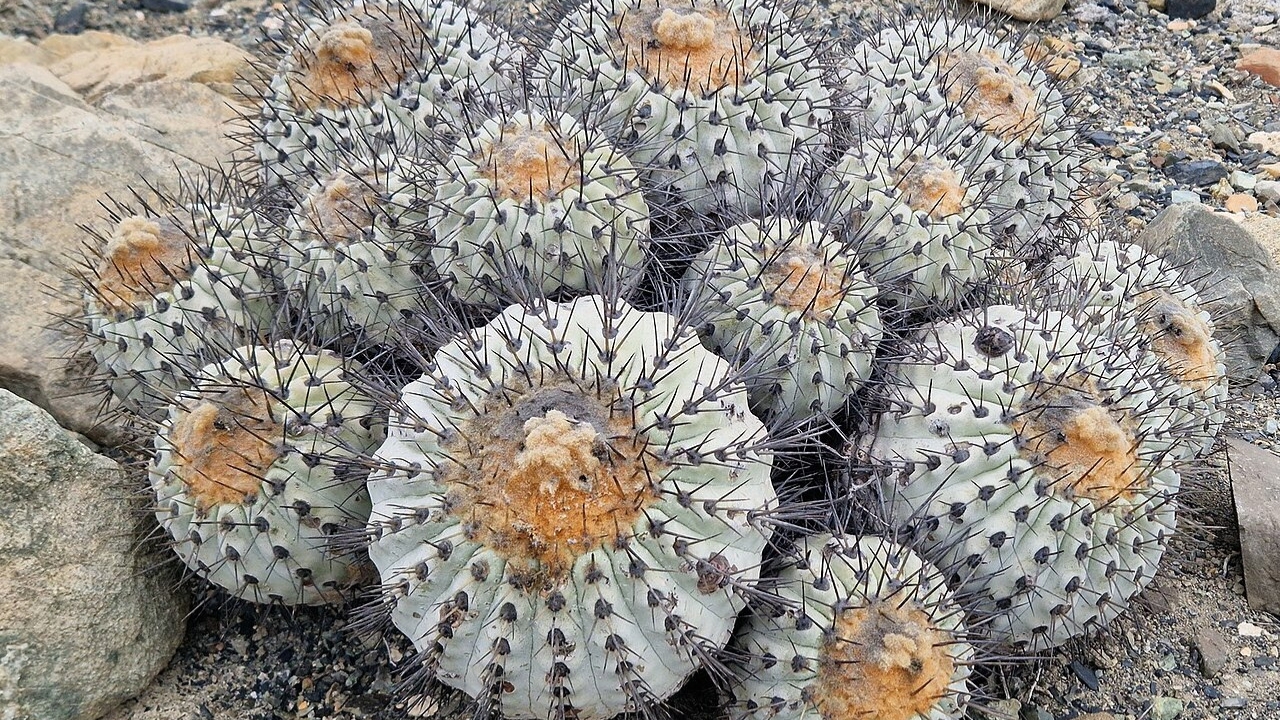
Copiapoa cactus is one of the most fascinating and collectible cactus genera in the world. Native to the harsh deserts of northern Chile, these rare succulents have earned admiration for their sculptural appearance, slow growth, and remarkable ability to survive in one of the driest regions on Earth. Their unique forms, ranging from globular silver-gray stems to clustered black-bodied species, make them highly desirable among cactus collectors and succulent enthusiasts alike.
The natural habitat of Copiapoa is shaped by coastal fog, rocky terrain, and intense sunlight. Unlike many desert plants that rely on rainfall, these cacti often absorb moisture from ocean fog drifting inland from the Pacific Ocean. This unusual adaptation gives them a distinct character and growing behavior that differs from many common cactus species.
Copiapoa species are known for their beautiful symmetry, woolly crowns, dense spines, and mature yellow flowers. While they can be challenging for beginners due to their slow growth and sensitivity to overwatering, they reward patient growers with stunning long-lived specimens that become more beautiful with age.
Natural Habitat and Origin
Copiapoa cactus comes from the Atacama Desert region of Chile, one of the driest places on the planet. The plants grow in rocky hillsides, coastal mountains, and barren desert slopes where temperatures can fluctuate dramatically between day and night. Many species survive in areas where rain may fall only a few times each year.
The climate in their native habitat is extremely dry but surprisingly cool compared to other desert regions. Coastal fog known locally as “camanchaca” provides valuable atmospheric moisture. This fog rolls in from the ocean and condenses on rocks and plants, supplying hydration even during long drought periods.
Because of these environmental conditions, Copiapoa cacti evolved thick stems for water storage and waxy coatings that protect them from harsh sunlight. Some species even develop chalky white skins that reflect intense desert heat. Understanding this habitat is essential for successfully growing these plants at home.
Popular Copiapoa Varieties
There are many species and forms within the Copiapoa genus, each with its own appearance and charm. Some are solitary globes while others form large clumps over time.
Copiapoa cinerea is perhaps the most famous species. It has a striking silver-gray body covered in a powdery coating that gives it an almost stone-like appearance. Mature plants can become quite large and develop thick golden spines.
Copiapoa columna-alba is another highly prized species known for its tall columnar growth and woolly white covering. It looks dramatic in collections and develops impressive clusters with age.
Copiapoa hypogaea is smaller and darker, often appearing partially buried in the soil. Its flattened body and minimal spines make it unique compared to more heavily armored varieties.
Copiapoa dealbata features pale stems and dense spination, while Copiapoa humilis remains compact and produces attractive flowers at a relatively young age. Collectors often appreciate the diversity within the genus because each species reflects a different adaptation to the Chilean desert environment.
Light Requirements for Healthy Growth
Copiapoa cactus thrives in bright sunlight and requires strong light to maintain compact growth and healthy coloration. In cultivation, these cacti should receive several hours of direct sun each day, especially during the morning.
Outdoor plants perform best in warm climates with excellent air circulation. Indoors, a south-facing or west-facing window usually provides enough brightness. If natural sunlight is limited, high-quality grow lights can help prevent stretching and weak growth.
Although mature plants tolerate intense sunlight, younger specimens may need gradual acclimation. Sudden exposure to harsh afternoon sun can cause sunburn, especially after being kept indoors or in shade. A slow transition into brighter conditions helps the cactus adapt safely.
Healthy Copiapoa cacti often display richer spine color and tighter rib formation when grown under strong light. Insufficient light may result in pale stems, elongated growth, and poor flowering.
Best Soil Mix and Potting Conditions
Excellent drainage is the most important factor when growing Copiapoa cactus. These plants are extremely sensitive to soggy soil and root rot. A gritty, mineral-rich cactus mix works best for long-term health.
Many experienced growers prefer a soil blend containing pumice, coarse sand, lava rock, perlite, and only a small amount of organic material. This type of mixture dries quickly and mimics the rocky conditions of the Chilean desert.
Terracotta pots are often recommended because they allow moisture to evaporate faster than plastic containers. Proper drainage holes are essential, as standing water can quickly damage the roots.
Repotting is usually needed every few years since Copiapoa grows slowly. During repotting, damaged or dead roots should be removed carefully, and the plant should remain dry for several days before watering again.
Watering Techniques and Moisture Control
Overwatering is the most common cause of problems with Copiapoa cactus. These plants are adapted to extremely dry environments and prefer deep but infrequent watering.
During the active growing season in spring and summer, watering should occur only after the soil has dried completely. When watering, soak the soil thoroughly and allow all excess moisture to drain away.
In autumn, watering frequency should gradually decrease as temperatures cool and growth slows. During winter dormancy, many growers keep their Copiapoa almost completely dry, especially in cooler conditions.
Humidity should also remain low. Poor air circulation combined with excess moisture can lead to fungal issues and rot. If grown indoors, proper ventilation helps maintain a healthy environment.
Wrinkling does not always mean immediate watering is necessary. Slight shrinking is natural during dry periods and often safer than keeping the soil constantly damp.
Temperature and Climate Preferences
Copiapoa cactus prefers warm days, cool nights, and dry air. Most species grow best in temperatures between 20°C and 30°C during the active season.
These cacti can tolerate brief periods of cooler weather if kept dry, but prolonged frost may cause serious damage. Some mature plants survive light frost in desert climates, though protection is generally recommended below freezing temperatures.
Good airflow is particularly important in humid regions where excess moisture may stress the plant. Greenhouses and covered outdoor spaces often provide ideal conditions because they allow bright light while protecting the cactus from heavy rain.
Growers in tropical or humid climates may need extra care to prevent fungal problems. Fast-draining soil and controlled watering become even more critical in such environments.
Fertilizing and Encouraging Flowers
Copiapoa cactus does not require heavy feeding. Too much fertilizer can cause unnatural growth and weaken the plant over time. A diluted low-nitrogen cactus fertilizer applied during spring and summer is usually sufficient.
Feeding once monthly during active growth often produces healthy development without overstimulating the cactus. Fertilizer should never be applied to dry roots, as this may damage the plant.
Flowering generally occurs during warmer months when the cactus receives strong sunlight and proper seasonal care. Mature plants produce beautiful yellow flowers from the woolly crown near the top of the stem.
Patience is important because Copiapoa species grow very slowly. Some plants may take years before reaching flowering size, especially when grown from seed.
Propagation Methods
Copiapoa cactus can be propagated through seeds or offsets, depending on the species. Seed growing is the most common method and allows collectors to experience the full life cycle of these remarkable plants.
Fresh seeds germinate best in warm conditions with bright indirect light. The soil should remain lightly moist during germination but never waterlogged. Seedlings grow slowly and require careful monitoring during their early years.
Clumping species may produce offsets that can be separated and rooted individually. After removal, offsets should dry for several days so the cut surface can callus before planting.
Because of their slow growth, many collectors enjoy nurturing seedlings over long periods. Mature specimens often become treasured centerpiece plants within succulent collections.
Common Problems and Care Mistakes
The greatest danger to Copiapoa cactus is excess moisture. Root rot develops quickly when soil stays wet for too long, especially in cool weather. Mushy stems, discoloration, or foul odors often indicate rot problems.
Pests such as mealybugs and spider mites occasionally appear, particularly on indoor plants. Regular inspection helps prevent infestations from spreading.
Lack of sunlight may cause stretched growth and weak spines, while excessive shade reduces flowering potential. Sudden environmental changes can also stress the plant.
Using dense organic soil is another common mistake. Copiapoa requires mineral-heavy substrate with rapid drainage. Growers who recreate the dry conditions of the Chilean desert usually achieve the best results.
Why Copiapoa Is Highly Valued by Collectors
Copiapoa cactus has become one of the most admired genera in the succulent world because of its rarity, beauty, and slow aging character. Each plant develops unique textures, spine formations, and weathered surfaces over time.
Collectors appreciate the sculptural appearance of mature specimens, especially silver-coated species that resemble natural stone. Their connection to the dramatic Atacama Desert also adds to their appeal.
Although these cacti require patience and careful watering habits, they reward growers with extraordinary longevity and timeless beauty. A healthy Copiapoa can live for decades, gradually transforming into a stunning living sculpture that reflects the resilience of nature itself.
