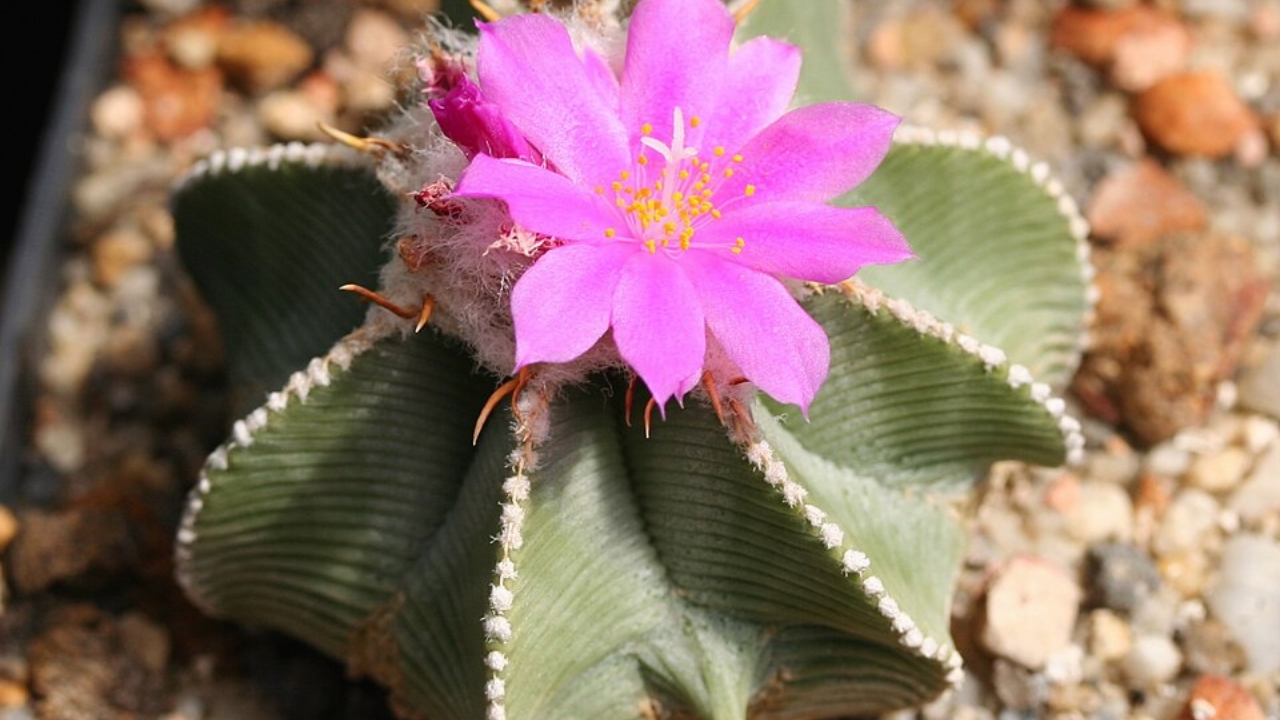
Aztekium is one of the most fascinating and sought-after cactus genera in the world of succulent collecting. Native to the limestone cliffs and rocky canyons of northeastern Mexico, these rare cacti are admired for their unique sculptural appearance, slow growth rate, and exceptional rarity. Their deeply ribbed bodies, delicate textures, and compact size make them prized specimens among collectors and enthusiasts who appreciate unusual desert plants.
Unlike many common cacti, Aztekium species require patience and careful cultivation. Their natural habitat consists of harsh limestone environments where they survive in cracks and crevices exposed to intense sunlight, limited rainfall, and excellent drainage. Understanding these native conditions is the key to successfully growing healthy Aztekium plants at home.
Understanding Aztekium Species
The genus Aztekium contains only a few recognized species, each displaying distinctive characteristics. Aztekium ritteri is the most well-known species and is famous for its heavily ribbed body covered in tiny wrinkles. Aztekium hintonii grows larger and develops a greener appearance with broader ribs. More recently discovered species have further increased interest among collectors due to their rarity and unusual forms.
These cacti typically remain small throughout their lives. Even mature specimens may only reach a few inches in diameter after many years of growth. Their compact size makes them ideal for container cultivation and specialized succulent collections.
Ideal Growing Conditions
Creating the right environment is essential for successful Aztekium cultivation. These plants prefer conditions that closely resemble their native limestone habitats. Warm temperatures, bright light, and excellent airflow contribute significantly to their long-term health.
Aztekium thrives in temperatures ranging from 18°C to 32°C during the growing season. They enjoy warmth but should be protected from prolonged freezing conditions. Short periods of cooler temperatures can be tolerated when the soil remains completely dry.
Good air circulation helps prevent fungal diseases and moisture-related issues. Whether grown indoors or outdoors, ensuring proper ventilation around the plants supports healthy growth.
Light Requirements
Bright light is crucial for maintaining the compact shape and healthy coloration of Aztekium cacti. They benefit from several hours of indirect or filtered sunlight each day. Morning sunlight is especially beneficial because it provides sufficient brightness without exposing the plant to the harshest afternoon heat.
In regions with extremely intense summer sun, some protection during peak afternoon hours can prevent scorching. Greenhouses often use shade cloth to provide filtered light while still allowing adequate brightness.
Indoor growers should place Aztekium near south-facing or east-facing windows where they can receive abundant natural light. Supplemental grow lights may be helpful during darker seasons or in homes with limited sunlight.
Choosing the Right Soil
Proper soil selection is perhaps the most important aspect of Aztekium care. These cacti are highly sensitive to excess moisture around their roots and require exceptionally fast-draining soil.
A mineral-rich cactus mix works best. Many growers incorporate pumice, crushed limestone, coarse sand, granite grit, and small gravel into their soil blends. Organic matter should be used sparingly because excessive peat or compost can retain too much moisture.
The goal is to create a loose, airy substrate that allows water to flow through quickly while providing enough stability for root development. The addition of limestone chips can help mimic the alkaline conditions found in their natural habitat.
Watering Aztekium Correctly
Watering is often where beginners encounter difficulties with Aztekium cultivation. These plants require careful moisture management and should never sit in wet soil for extended periods.
During the active growing season in spring and summer, water thoroughly only when the soil has completely dried. Deep watering followed by a full drying cycle closely replicates natural rainfall patterns.
As temperatures cool in autumn, gradually reduce watering frequency. During winter dormancy, water should be minimal or completely withheld, especially in cooler environments. Keeping the soil dry during dormancy helps prevent root rot and supports healthy seasonal growth cycles.
Overwatering remains the leading cause of Aztekium failure. It is always safer to underwater slightly than to provide excessive moisture.
Pot Selection and Container Care
Selecting the proper container contributes significantly to successful cultivation. Clay or terracotta pots are often preferred because they allow moisture to evaporate more quickly than plastic containers.
Containers should always feature drainage holes to prevent water accumulation around the roots. A pot that is only slightly larger than the root system is generally ideal because oversized containers can retain excess moisture.
Top dressing with decorative gravel or crushed stone can improve appearance while helping maintain stability around the plant’s base. This also keeps moisture away from the crown and reduces the risk of fungal problems.
Fertilizing for Healthy Growth
Aztekium cacti have relatively low nutritional requirements. In their native environment, they survive in nutrient-poor soils and grow extremely slowly.
During the active growing season, a diluted cactus fertilizer may be applied once or twice. A balanced, low-nitrogen fertilizer encourages healthy growth without producing excessive soft tissue.
Over-fertilization should be avoided because it can weaken the plant and lead to unnatural growth patterns. Slow and steady development is normal and desirable for Aztekium specimens.
Temperature and Humidity Considerations
Warm temperatures support active growth throughout spring and summer. While Aztekium appreciates heat, it also benefits from cooler nighttime temperatures that mirror natural desert conditions.
Humidity levels should remain relatively low. Excessive humidity combined with poor airflow can create favorable conditions for fungal infections. Indoor growers may benefit from placing plants in well-ventilated rooms or using small fans to maintain airflow.
During winter, temperatures between 5°C and 15°C can encourage dormancy when the plants are kept dry. This seasonal rest period often contributes to stronger growth when warmer conditions return.
Propagating Aztekium from Seed
Seed propagation is the most common method of producing Aztekium plants. Although the process requires patience, it offers the opportunity to grow rare specimens from an early stage.
Fresh seeds generally produce the best germination rates. A sterile, well-draining seed-starting mix should be used to reduce disease risks. Seeds are typically scattered on the surface without being deeply buried.
Warm temperatures, gentle humidity, and bright indirect light encourage germination. Seedlings emerge slowly and require careful monitoring during their early stages. Growth remains extremely slow for several years, but healthy seedlings gradually develop the characteristic ribbed structure that makes Aztekium so distinctive.
Grafting for Faster Growth
Many commercial growers graft Aztekium seedlings onto faster-growing cactus rootstocks. Grafting dramatically accelerates growth rates and allows young plants to reach maturity much sooner than they would on their own roots.
This technique can also improve survival rates for delicate seedlings. However, many collectors eventually prefer own-root specimens because they more closely resemble plants found in nature.
Both grafted and own-root Aztekium plants can be beautiful additions to a collection, depending on individual preferences and growing goals.
Common Problems and Solutions
Despite their reputation for difficulty, Aztekium cacti remain relatively trouble-free when grown under appropriate conditions. Most issues stem from excessive moisture, poor drainage, or inadequate airflow.
Root rot is the most serious threat and usually results from overwatering. Soft or discolored tissue may indicate developing rot and requires immediate attention.
Mealybugs and spider mites occasionally affect Aztekium plants. Regular inspections help identify infestations before they become severe. Prompt treatment and good growing practices typically keep pest populations under control.
Sunburn can occur if plants are suddenly exposed to intense direct sunlight without proper acclimation. Gradual adjustment to brighter conditions helps prevent damage.
Long-Term Care and Collector Value
Growing Aztekium successfully requires a long-term perspective. These cacti are among the slowest-growing succulents in cultivation, often taking many years to reach mature size. Their slow development, combined with limited natural distribution, contributes to their exceptional collector value.
Many enthusiasts consider the gradual growth process part of the plant’s appeal. Watching a small seedling slowly transform into a mature specimen creates a rewarding experience that reflects patience and dedication.
With proper light, careful watering, excellent drainage, and suitable temperatures, Aztekium cacti can thrive for decades. Their remarkable appearance and rarity make them standout additions to any succulent collection, rewarding attentive growers with one of the most extraordinary cacti in the botanical world.
