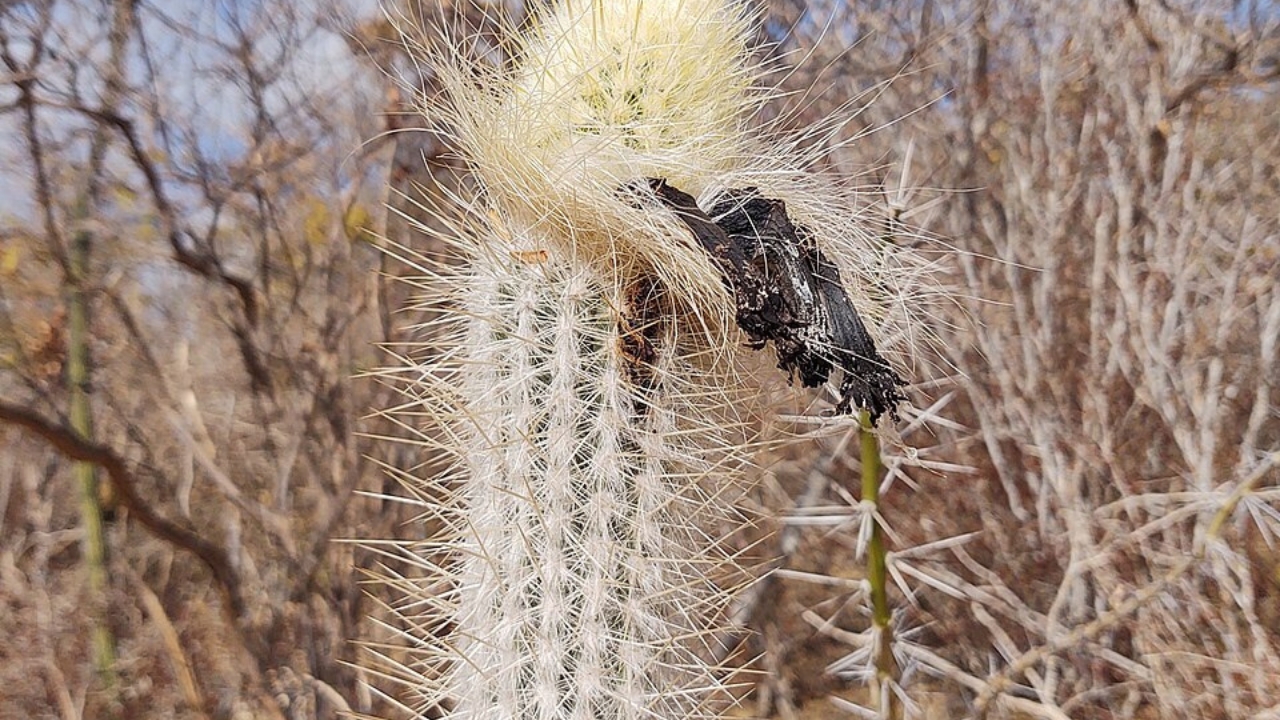
Stephanocereus is a fascinating group of columnar cacti native to Brazil, admired for its distinctive growth habit, attractive ribbed stems, and impressive architectural presence. Although not as commonly cultivated as some other cactus species, Stephanocereus has become increasingly popular among collectors who appreciate unusual desert plants. Its ability to adapt to warm climates, combined with its relatively straightforward care requirements, makes it a rewarding choice for both experienced growers and enthusiastic beginners.
Growing Stephanocereus successfully requires an understanding of its natural habitat and growth patterns. Like many cacti from arid and semi-arid regions, it thrives when provided with abundant sunlight, well-draining soil, and careful watering practices. With the right conditions, this cactus can develop into a striking specimen that becomes a centerpiece in any succulent collection or landscape.
Understanding Stephanocereus Growth Habits
Stephanocereus belongs to a group of columnar cacti that naturally grow in rocky and dry environments. In habitat, these plants often experience intense sunlight, periodic rainfall, and extended dry seasons. Their thick stems store water efficiently, allowing them to survive prolonged drought conditions.
The plant typically develops upright stems with pronounced ribs and clusters of spines that provide both protection and visual appeal. As it matures, Stephanocereus may branch from the base or higher up on the stem, creating a dramatic and sculptural appearance. Growth is generally moderate, though environmental conditions can significantly influence development rates.
Understanding these natural characteristics helps growers recreate suitable conditions and maintain healthy, vigorous plants over the long term.
Choosing the Ideal Growing Location
Selecting the right location is one of the most important factors in Stephanocereus cultivation. These cacti thrive in bright environments and require substantial sunlight to maintain compact growth and healthy coloration.
Outdoor cultivation is ideal in warm climates where temperatures remain above freezing for most of the year. A location receiving at least six to eight hours of direct sunlight daily encourages strong growth and spine development. Morning sun combined with afternoon brightness often produces excellent results.
For indoor cultivation, place the cactus near a south-facing or west-facing window where it can receive the maximum amount of natural light. If natural sunlight is limited, supplemental grow lights can help maintain healthy growth and prevent stretching.
Adequate air circulation is also beneficial, reducing excess moisture around the plant and minimizing the risk of fungal problems.
Soil Requirements for Healthy Growth
Like most cacti, Stephanocereus depends on excellent drainage to thrive. Poorly drained soil is one of the leading causes of root rot and plant decline.
A well-balanced cactus mix should contain a significant amount of mineral material such as coarse sand, pumice, perlite, or crushed gravel. These ingredients improve drainage and prevent water from accumulating around the roots.
A suitable mix often contains approximately equal parts cactus soil and mineral amendments. The goal is to create a growing medium that allows water to pass through quickly while still retaining enough moisture for root absorption.
Avoid heavy garden soils or mixes rich in organic matter, as these tend to remain wet for extended periods and increase the risk of root-related issues.
Watering Stephanocereus Correctly
Proper watering is perhaps the most critical aspect of Stephanocereus care. While these plants are drought tolerant, they still require periodic watering during active growth.
During spring and summer, water thoroughly whenever the soil becomes completely dry. Deep watering encourages roots to grow downward and establish a strong foundation. After watering, allow excess moisture to drain freely from the container.
The frequency of watering depends on factors such as temperature, humidity, pot size, and soil composition. In hot weather, watering may be necessary every one to two weeks, while cooler conditions may require less frequent irrigation.
As autumn arrives and growth slows, gradually reduce watering. During winter dormancy, provide only minimal moisture to prevent excessive shriveling. Keeping the soil relatively dry during this period helps avoid rot and supports healthy seasonal growth cycles.
Light and Temperature Preferences
Stephanocereus performs best under bright light conditions that closely resemble its native environment. Insufficient sunlight can cause elongated, weak stems and reduced spine production.
When transitioning a plant from shade to full sun, do so gradually to prevent sunburn. Sudden exposure to intense sunlight may cause discoloration or scarring on the stems.
Warm temperatures promote active growth throughout the growing season. Daytime temperatures between 70°F and 95°F are generally ideal. These cacti appreciate warmth and often accelerate growth during extended periods of favorable weather.
Although mature plants can tolerate brief temperature fluctuations, prolonged exposure to freezing conditions can cause serious damage. In regions with cold winters, container-grown specimens should be moved indoors or protected during frost events.
Fertilizing for Strong Development
While Stephanocereus does not require heavy feeding, occasional fertilization can support healthy growth and improve overall vigor.
Apply a balanced, low-nitrogen cactus fertilizer during the active growing season. Monthly feeding at half strength is usually sufficient. Excessive nitrogen can encourage weak, overly soft growth that becomes more susceptible to disease and structural problems.
Fertilization should be avoided during winter dormancy when the plant is not actively growing. Feeding during this period provides little benefit and may disrupt natural growth cycles.
Consistent but moderate nutrition helps maintain strong stems, healthy roots, and attractive spine development.
Pot Selection and Repotting Tips
Choosing an appropriate container contributes significantly to successful cultivation. Pots with drainage holes are essential, allowing excess water to escape quickly after irrigation.
Terracotta pots are particularly useful because they permit moisture to evaporate through the container walls, reducing the likelihood of prolonged soil saturation. Plastic pots can also be used successfully but may require more careful watering management.
Repotting is generally needed every two to four years, depending on growth rate and root development. Signs that repotting is necessary include roots emerging from drainage holes, slowed growth, or soil breakdown.
When repotting, handle the cactus carefully to avoid injury from spines. Allow damaged roots to dry and callus before watering the newly potted plant.
Propagating Stephanocereus Successfully
Propagation offers an excellent way to expand a collection and preserve desirable specimens. Stephanocereus can often be propagated through stem cuttings and occasionally from seed.
For stem propagation, select a healthy segment and make a clean cut using a sterilized tool. Allow the cutting to dry for several days or even weeks until a firm callus forms over the cut surface.
Once callused, place the cutting in a well-draining cactus mix and keep it in bright, indirect light. Water sparingly until roots begin to develop. Rooting times vary depending on temperature and environmental conditions.
Growing from seed requires patience but can be highly rewarding. Fresh seeds generally germinate more readily when provided with warmth, consistent moisture, and bright filtered light. Seed-grown plants often exhibit greater genetic diversity and allow growers to observe every stage of development.
Common Problems and How to Prevent Them
Stephanocereus is generally resilient, but certain issues may arise if growing conditions become unfavorable.
Root rot remains the most common problem and is usually caused by excessive watering or poorly draining soil. Preventing this issue involves allowing the soil to dry between waterings and using an appropriate growing medium.
Pests such as mealybugs, scale insects, and spider mites occasionally appear, especially on indoor plants. Regular inspections help detect infestations early before they become severe. Most minor infestations can be controlled through manual removal or suitable treatments.
Sunburn may occur if a plant is suddenly exposed to intense sunlight after growing in shade. Gradual acclimation reduces the risk of tissue damage and helps the plant adapt successfully.
Monitoring environmental conditions and responding promptly to early warning signs ensures long-term health and stability.
Long-Term Care and Maintenance
As Stephanocereus matures, it becomes increasingly impressive and may require additional support if stems grow exceptionally tall. Routine observation allows growers to identify changing needs and adjust care accordingly.
Cleaning debris from around the base of the plant improves airflow and reduces the likelihood of pests and disease. Regular rotation of indoor specimens ensures even light exposure and balanced growth.
Patience plays an important role in cultivating this cactus. While growth may seem slow at times, consistent care results in a durable and striking specimen capable of thriving for many years.
Conclusion
Stephanocereus is a remarkable cactus that combines dramatic appearance with relatively manageable care requirements. By providing abundant sunlight, fast-draining soil, careful watering, and occasional feeding, growers can enjoy healthy plants that develop into impressive architectural features over time.
Whether grown in containers, greenhouses, or warm outdoor landscapes, Stephanocereus rewards attentive cultivation with strong growth, distinctive form, and lasting beauty. With proper propagation techniques and ongoing maintenance, this unique Brazilian cactus can remain a cherished part of any succulent collection for decades.
