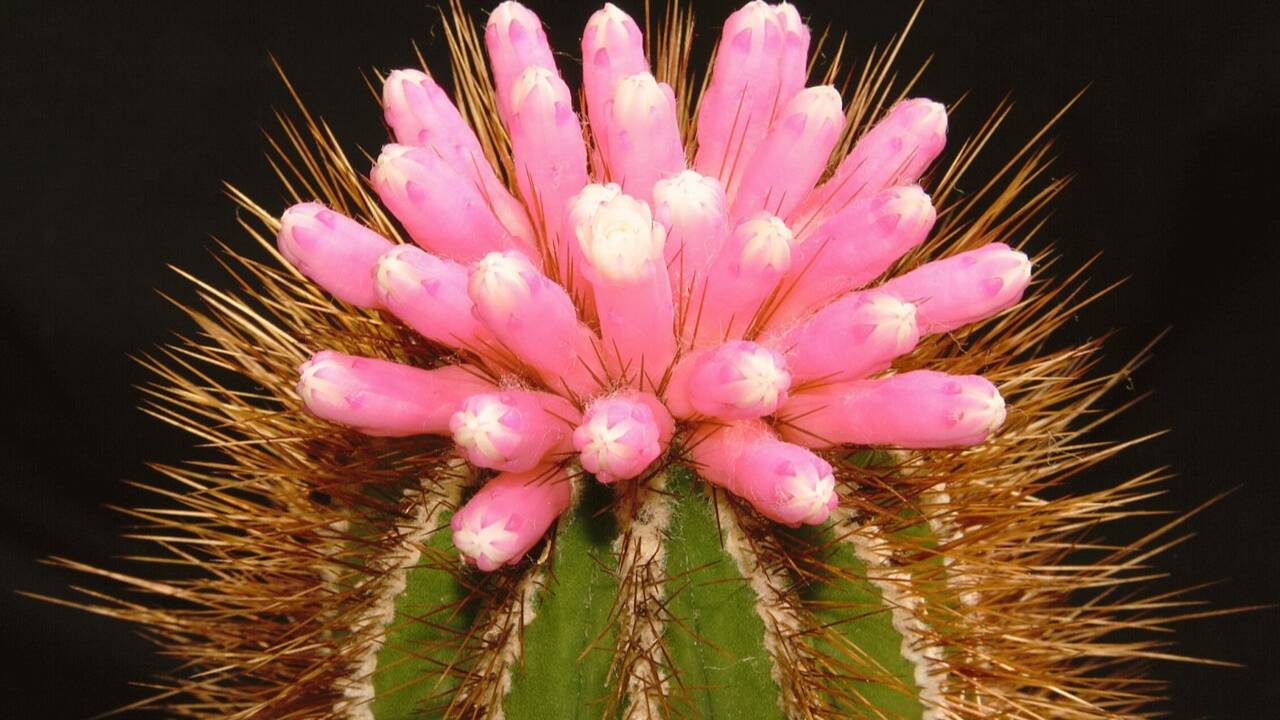
Pierrebraunia is a fascinating and uncommon cactus native to Brazil, admired by collectors for its distinctive appearance and rarity in cultivation. Unlike many commonly grown cacti, Pierrebraunia develops a unique branching structure and striking stems that make it an attractive specimen for cactus enthusiasts. Although it is considered a specialized plant, growing Pierrebraunia successfully is possible when its natural habitat conditions are understood and replicated.
This cactus thrives in warm climates with plenty of sunlight, excellent drainage, and careful watering practices. Whether you are an experienced cactus grower or just beginning your collection, learning the specific requirements of Pierrebraunia will help you cultivate a healthy, long-lived plant.
Understanding the Natural Habitat of Pierrebraunia
Pierrebraunia originates from rocky regions of eastern Brazil, where it grows in well-drained soils and experiences seasonal rainfall patterns. The environment is typically warm throughout the year, with periods of drought followed by occasional rain.
In its native habitat, water drains rapidly through rocky substrates, preventing moisture from remaining around the roots for long periods. This natural adaptation explains why Pierrebraunia is highly sensitive to overwatering and poorly draining soil. Understanding these conditions is essential because successful cultivation depends on recreating similar growing environments.
Choosing the Right Location
Selecting an appropriate location is one of the most important aspects of Pierrebraunia care. This cactus prefers bright conditions and benefits from several hours of direct sunlight daily.
Outdoor cultivation works best in regions with warm temperatures and minimal frost. In cooler climates, container growing is recommended so the plant can be moved indoors during cold weather. A south-facing window, greenhouse, or sunroom can provide adequate light when grown indoors.
While Pierrebraunia appreciates strong light, newly acquired plants should be gradually introduced to intense sunlight to avoid sunburn. Slowly increasing exposure over several weeks allows the cactus to adapt safely.
Light Requirements for Healthy Growth
Adequate light promotes strong stem development, compact growth, and overall vigor. Pierrebraunia generally thrives in full sun to bright indirect light.
Plants receiving insufficient light may become elongated, weak, or pale in color. Excessive shade can reduce growth rates and negatively affect the plant’s appearance. On the other hand, extremely intense sunlight during heat waves may cause stress, particularly in young plants.
For indoor growers, placing the cactus near the brightest available window often produces the best results. Supplemental grow lights can also help maintain healthy growth during darker seasons.
Ideal Soil for Pierrebraunia
Proper soil is essential because Pierrebraunia requires excellent drainage to prevent root rot. Standard garden soil retains too much moisture and should be avoided.
A well-draining cactus mix is the ideal choice. Many growers create custom blends containing coarse sand, pumice, perlite, lava rock, or fine gravel combined with a small amount of organic matter. The goal is to create a substrate that allows water to pass through quickly while still providing enough stability for the roots.
A mineral-rich soil mixture often mimics the rocky conditions found in the cactus’s natural environment and supports healthier root development over time.
Choosing the Best Container
Containers play an important role in maintaining proper moisture levels. Pots with drainage holes are essential for Pierrebraunia cultivation.
Terracotta pots are particularly beneficial because they allow excess moisture to evaporate through their porous walls. This helps reduce the risk of overwatering and promotes a healthier root system.
When repotting, select a container that is only slightly larger than the current root system. Oversized pots can hold excessive moisture and increase the likelihood of root problems.
Watering Pierrebraunia Correctly
Watering is often the most challenging aspect of cactus care, and Pierrebraunia is no exception. This species prefers a thorough watering followed by a drying period.
During active growth in spring and summer, water deeply when the soil has completely dried out. The frequency will depend on temperature, humidity, pot size, and soil composition. In hot weather, watering may be required every one to two weeks, while cooler conditions may require less frequent irrigation.
During autumn and winter, growth slows considerably. Watering should be reduced significantly to prevent excess moisture accumulation around dormant roots.
A simple rule is to allow the soil to dry completely before watering again. Consistently wet soil is one of the primary causes of plant loss.
Temperature and Climate Preferences
Pierrebraunia enjoys warm temperatures and generally performs best when conditions remain between 20°C and 35°C. Warm weather encourages active growth and healthy development.
Although mature plants may tolerate brief drops in temperature, prolonged exposure to frost can cause severe damage. In regions with cold winters, bringing container-grown plants indoors before freezing temperatures arrive is strongly recommended.
Stable temperatures and protection from extreme cold help maintain year-round plant health.
Humidity Considerations
Unlike many tropical houseplants, Pierrebraunia does not require high humidity levels. In fact, good air circulation and relatively dry conditions often produce the best results.
Excess humidity combined with poor airflow can encourage fungal problems and increase the risk of rot. Indoor growers should ensure adequate ventilation, particularly during cooler months when watering is reduced.
A dry environment closely resembles the plant’s native habitat and supports healthy growth.
Fertilizing for Strong Development
Pierrebraunia benefits from occasional feeding during its active growing season. A balanced cactus fertilizer diluted to half strength can provide essential nutrients without overwhelming the plant.
Fertilization is typically most effective during spring and summer when growth is most active. Monthly feeding is often sufficient for container-grown specimens.
Avoid fertilizing during winter dormancy because the plant’s nutrient requirements decrease significantly. Excess fertilizer during inactive periods may stress the roots and lead to weak growth.
Repotting and Root Care
Repotting is generally required every two to three years or whenever the plant outgrows its container. Fresh soil improves drainage and replenishes nutrients that may have been depleted over time.
When repotting, carefully inspect the roots for signs of damage, rot, or pests. Any unhealthy roots should be removed using clean tools before replanting.
After repotting, allow the cactus to remain dry for several days. This gives damaged roots time to heal and reduces the chance of infection.
How to Propagate Pierrebraunia
Propagation can be an enjoyable way to expand a collection or preserve valuable specimens. Pierrebraunia is typically propagated through seeds or stem cuttings.
Seed propagation requires patience but offers the opportunity to grow multiple plants. Fresh seeds generally provide the highest germination rates. They should be sown in a sterile, well-draining medium and kept warm until germination occurs.
Stem cuttings are often faster. A healthy segment can be removed and allowed to dry for several days until a callus forms. Once callused, the cutting can be placed in dry cactus soil and watered lightly after roots begin to develop.
Successful propagation depends on cleanliness, patience, and proper moisture control.
Common Problems and Solutions
Most Pierrebraunia problems result from improper watering practices. Overwatering can cause root rot, stem softening, and fungal infections. If detected early, affected areas should be removed and watering reduced immediately.
Underwatering may cause shriveled stems and slowed growth. While cacti tolerate drought well, extended periods without water can eventually weaken the plant.
Pests such as mealybugs, scale insects, and spider mites occasionally appear. Regular inspections help identify infestations before they become serious. Early treatment with appropriate pest-control methods usually prevents major damage.
Encouraging Long-Term Health
Consistency is the key to maintaining a thriving Pierrebraunia. Providing strong light, excellent drainage, careful watering, and seasonal adjustments allows the plant to grow steadily over many years.
Observing the cactus regularly helps identify changes in growth, color, or texture that may indicate developing problems. Early intervention often prevents minor issues from becoming serious.
With proper care, Pierrebraunia can become a remarkable specimen that showcases the beauty and diversity of rare Brazilian cacti.
Final Thoughts
Pierrebraunia is a unique and rewarding cactus that combines rarity with striking visual appeal. Although it requires attention to soil drainage and watering habits, it is not particularly difficult to grow once its environmental preferences are understood. By providing bright light, fast-draining soil, warm temperatures, and careful irrigation, growers can enjoy healthy plants that continue to thrive for many years. Whether cultivated indoors or outdoors, Pierrebraunia remains an exceptional addition to any cactus collection and a fascinating example of Brazil’s rich botanical diversity.
