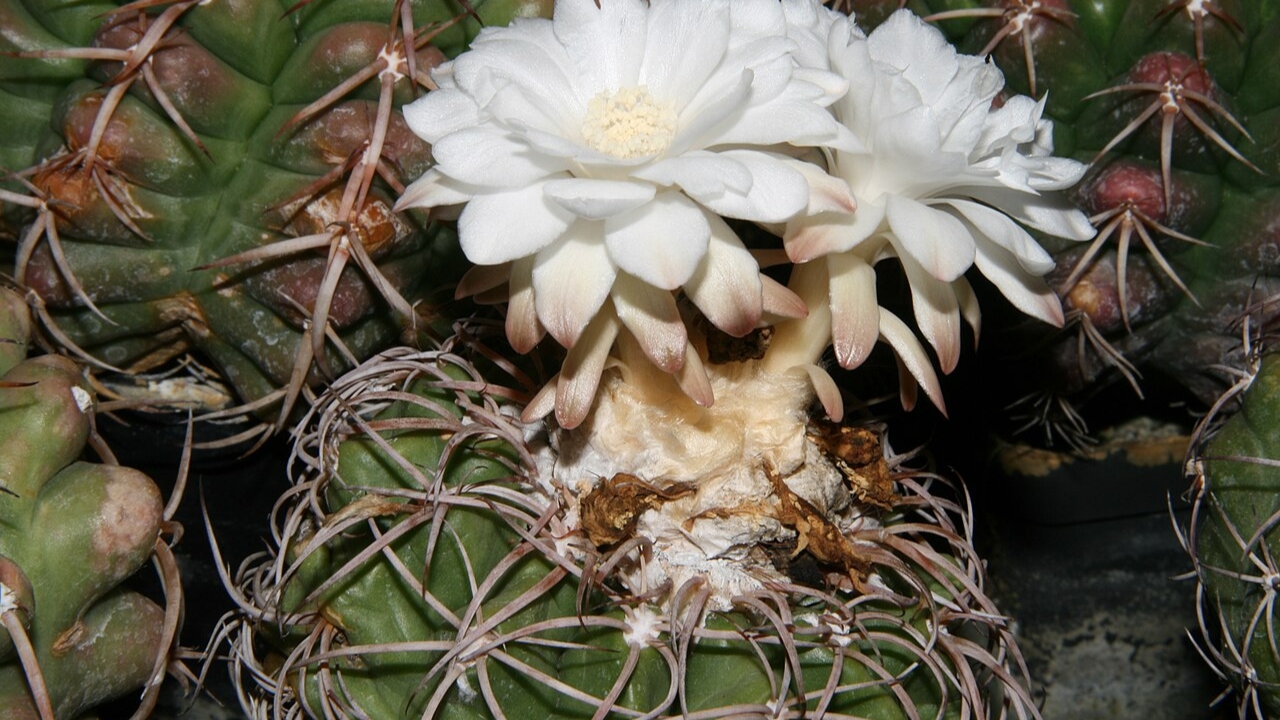
Bahiensis is a fascinating cactus species admired for its distinctive appearance, resilience, and ability to thrive in challenging environments. Native to regions with warm climates and well-draining soils, this plant has become increasingly popular among cactus enthusiasts and collectors. Its attractive form, low-maintenance nature, and adaptability make it an excellent choice for both beginner and experienced gardeners.
Growing Bahiensis successfully requires understanding its natural habitat and replicating those conditions as closely as possible. With proper planting techniques, suitable soil, adequate sunlight, and seasonal care, this cactus can flourish for many years while adding unique beauty to gardens, landscapes, and indoor collections.
Choosing the Ideal Location
Selecting the right location is one of the most important steps in growing Bahiensis. This cactus thrives in areas that receive plenty of sunlight throughout the day. Outdoor plants perform best in locations with at least six to eight hours of direct sunlight daily.
If grown indoors, place the plant near a bright south-facing or west-facing window where it can receive maximum light exposure. Insufficient sunlight can lead to weak growth, pale coloration, and stretching of the stems.
Good air circulation is equally important. Areas with stagnant air and excessive humidity can increase the risk of fungal diseases and root problems. Whether indoors or outdoors, ensure that the growing environment remains well-ventilated.
Understanding Soil Requirements
Like most cacti, Bahiensis requires exceptionally well-draining soil. Heavy garden soil that retains moisture for long periods can quickly lead to root rot and other serious problems.
A specialized cactus mix is usually the easiest option. Gardeners who prefer creating their own blend can combine coarse sand, perlite, pumice, and a small amount of organic matter. The goal is to create a growing medium that allows water to drain rapidly while still providing enough support and nutrients for healthy growth.
Containers should always include drainage holes at the bottom. Excess water must be able to escape freely after watering to prevent moisture accumulation around the roots.
Step-by-Step Planting Instructions
Begin by selecting a healthy Bahiensis specimen with firm stems and no signs of disease or pest damage. Choose a pot slightly larger than the root system if growing in a container.
Fill the pot partially with the prepared cactus soil mix. Carefully position the plant in the center, ensuring the roots spread naturally without being cramped. Add additional soil around the roots and gently press it into place to eliminate large air pockets.
Avoid burying the stem deeper than it was previously planted. Excessive burial can encourage rot. After planting, wait several days before watering to allow any minor root injuries to heal. This simple step significantly reduces the risk of infection.
For outdoor planting, prepare a raised bed or well-draining area. Amend heavy soils with coarse materials to improve drainage before placing the cactus in its permanent location.
Watering for Healthy Growth
Proper watering is often the key to success when growing Bahiensis. This cactus is drought-tolerant and prefers periods of dryness between watering sessions.
During the active growing season, water deeply but infrequently. Allow the soil to dry completely before watering again. Depending on climate conditions, this may mean watering every one to three weeks.
In cooler months, reduce watering significantly. The plant enters a slower growth phase and requires far less moisture. Overwatering during dormancy is one of the most common causes of cactus failure.
Always check the soil before adding water. If any moisture remains below the surface, wait a few more days before watering again.
Providing the Right Amount of Sunlight
Sunlight plays a major role in maintaining the health and appearance of Bahiensis. Strong light encourages compact growth, vibrant coloration, and overall vigor.
Outdoor plants generally tolerate full sun once established. However, newly planted specimens may benefit from gradual exposure to intense sunlight to prevent sunburn.
Indoor growers should rotate containers periodically to ensure even growth on all sides. If natural light is limited, supplemental grow lights can help maintain healthy development throughout the year.
Watch for signs of insufficient light, including elongated stems and pale coloration. These symptoms indicate the plant needs a brighter location.
Fertilizing Throughout the Growing Season
Although Bahiensis is not a heavy feeder, occasional fertilization can encourage stronger growth and healthier roots.
Apply a balanced cactus fertilizer during spring and summer when the plant is actively growing. Use a diluted solution according to product recommendations, typically once every four to six weeks.
Avoid excessive fertilization, as too many nutrients can cause weak, overly soft growth that is more vulnerable to pests and environmental stress.
Stop fertilizing during autumn and winter when growth naturally slows. Allowing the plant to rest during dormancy contributes to long-term health and stability.
Seasonal Maintenance and Care
Seasonal care helps Bahiensis remain healthy throughout the year. Spring is an ideal time for inspecting plants, repotting if necessary, and resuming regular watering and feeding schedules.
Summer typically represents the peak growing period. Continue monitoring soil moisture and provide adequate sunlight while protecting young plants from extreme heat if necessary.
During autumn, gradually reduce watering frequency as temperatures begin to decline. This transition prepares the cactus for its dormant period.
Winter maintenance focuses on keeping the plant relatively dry and protecting it from frost. In regions with cold winters, container-grown plants can be moved indoors or into sheltered areas. Maintaining cool but frost-free conditions helps preserve plant health until spring returns.
Propagation Methods
Propagation allows gardeners to expand their collection and share plants with others. Bahiensis can often be propagated through stem cuttings or offsets, depending on the growth habit of the individual plant.
When taking cuttings, use a clean, sharp tool and allow the cut surface to dry and form a callus for several days before planting. This healing period reduces the risk of rot.
Plant the callused cutting in dry cactus soil and wait about a week before lightly watering. Roots typically develop over the following weeks under warm, bright conditions.
Patience is important during propagation, as successful rooting can take time depending on environmental factors.
Preventing Common Problems
Bahiensis is generally resilient, but several common issues can affect its health. Overwatering remains the most frequent problem and often leads to root rot, stem discoloration, and plant decline.
Pests such as mealybugs, scale insects, and spider mites occasionally appear, particularly on indoor plants. Regular inspections allow for early detection and treatment before infestations become severe.
Poor drainage, inadequate sunlight, and excessive humidity can also create unfavorable conditions. Maintaining proper cultural practices significantly reduces the likelihood of serious problems.
Healthy plants are naturally more resistant to pests and diseases, making preventative care the best defense.
Long-Term Growth and Display
With proper care, Bahiensis can become a striking and long-lived specimen. Its architectural form makes it an excellent focal point in rock gardens, xeriscapes, container displays, and cactus collections.
As the plant matures, occasional repotting may be necessary to accommodate root growth. Choose containers only slightly larger than the existing root system to avoid excessive moisture retention.
Regular observation helps gardeners identify changing needs throughout the plant’s life. Small adjustments to watering, sunlight, and seasonal maintenance can have a significant impact on long-term success.
By providing the right growing conditions and following a consistent care routine, Bahiensis can reward growers with years of healthy growth, impressive appearance, and enduring beauty.
