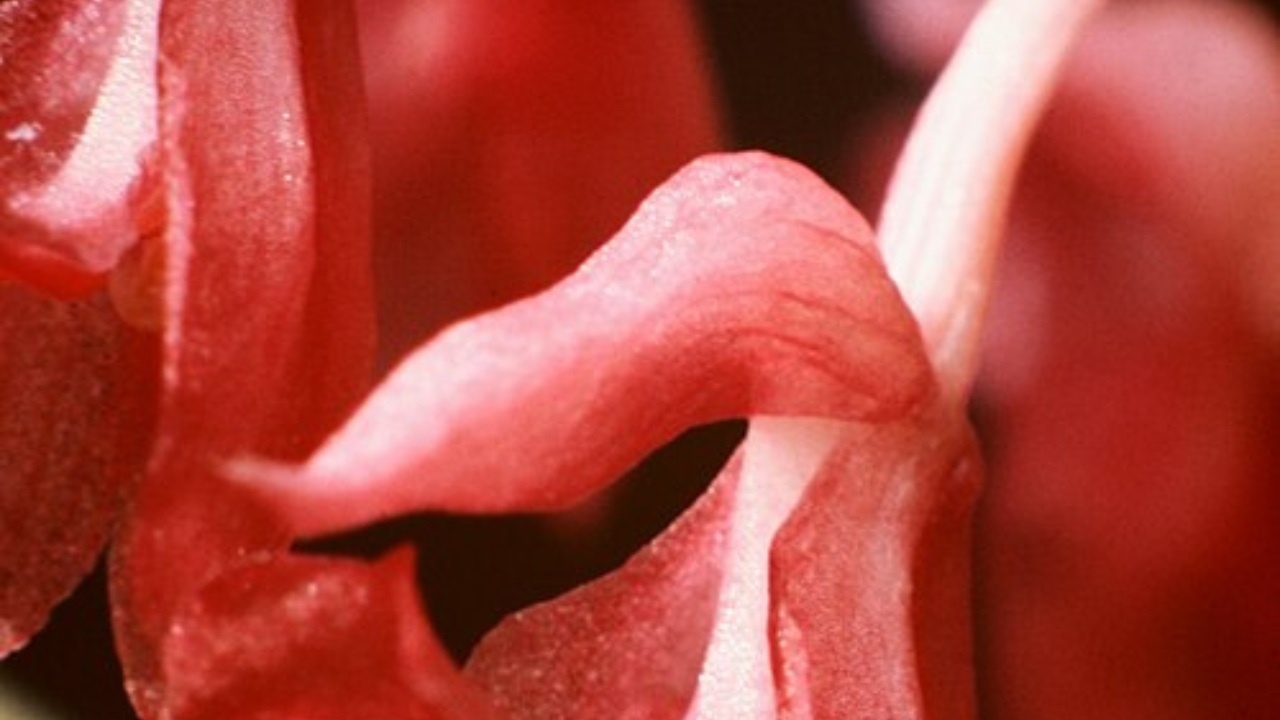
Rodriguezia orchids are elegant and fascinating plants admired for their graceful flower spikes, compact growth habit, and colorful blooms. Native to tropical regions of Central and South America, these orchids are often found growing as epiphytes on trees in warm, humid forests. Their attractive flowers, which can appear in shades of pink, white, yellow, orange, or red depending on the species, make them a prized addition to orchid collections.
Although Rodriguezia orchids may seem exotic, they are relatively easy to grow when their natural habitat is understood and replicated. Providing the right balance of light, moisture, humidity, and airflow allows these orchids to thrive and produce spectacular blooms year after year.
Understanding the Natural Growing Environment
In the wild, Rodriguezia orchids typically grow attached to tree branches where their roots receive excellent airflow and periodic rainfall. They experience warm temperatures throughout the year, high humidity, and filtered sunlight beneath the forest canopy.
Because these orchids evolved in tropical forests, they prefer conditions that are consistently warm and moist without becoming waterlogged. Mimicking these natural conditions is the key to successful cultivation both indoors and in greenhouses.
Choosing the Right Growing Medium
A well-draining growing medium is essential for Rodriguezia orchids. Their roots require constant access to air and should never remain in soggy conditions for long periods.
A mix containing medium-grade orchid bark, charcoal, and perlite works well for most plants. Some growers also add sphagnum moss to help retain moisture in drier environments. Mounted culture on cork bark or tree fern slabs can be particularly successful because it closely resembles the orchid’s natural growth habit.
When growing mounted specimens, however, more frequent watering is usually necessary because the roots dry out faster than those grown in pots.
Light Requirements for Healthy Growth
Proper lighting is one of the most important factors in growing Rodriguezia orchids successfully. These plants prefer bright, indirect light rather than intense direct sunlight.
An east-facing window often provides ideal conditions indoors. South or west-facing windows can also work if filtered through sheer curtains. In greenhouses, light shade cloth may be necessary to protect plants from harsh afternoon sun.
Leaves should appear medium green. Dark green foliage often indicates insufficient light, while yellowish or scorched leaves may suggest excessive sun exposure. Providing the correct light level encourages vigorous growth and promotes flowering.
Watering Rodriguezia Orchids Correctly
Rodriguezia orchids enjoy regular moisture but dislike prolonged wet conditions around their roots. Water thoroughly whenever the growing medium approaches dryness, allowing excess water to drain completely.
During active growth, watering may be needed several times per week depending on temperature, humidity, and potting conditions. Mounted plants generally require more frequent watering than potted specimens.
In cooler seasons or periods of slower growth, reduce watering slightly while ensuring the roots never become completely dry for extended periods. Maintaining a consistent watering routine helps prevent stress and supports healthy root development.
Humidity and Air Circulation Needs
As tropical orchids, Rodriguezia species appreciate humidity levels between 60 and 80 percent. Higher humidity encourages vigorous root growth, healthy foliage, and better flowering performance.
Indoor growers can increase humidity by using humidifiers, humidity trays, or grouping plants together. Greenhouses naturally provide suitable humidity levels when properly managed.
Good air circulation is equally important. Constant airflow helps prevent fungal diseases, bacterial infections, and root problems that can develop in stagnant conditions. Small circulating fans are often beneficial in enclosed growing spaces.
Temperature Requirements Throughout the Year
Rodriguezia orchids generally prefer intermediate to warm temperatures. Daytime temperatures between 70°F and 85°F (21°C to 29°C) support active growth, while nighttime temperatures between 55°F and 65°F (13°C to 18°C) are usually ideal.
Most species can tolerate brief fluctuations outside these ranges, but prolonged exposure to extreme heat or cold may cause stress and reduced flowering. Maintaining stable temperatures throughout the year promotes healthier plants and more reliable blooming cycles.
Fertilizing for Strong Growth and Blooms
Regular feeding helps Rodriguezia orchids develop strong roots, healthy foliage, and abundant flowers. A balanced orchid fertilizer diluted to one-quarter or one-half strength is typically sufficient.
Apply fertilizer every two to three weeks during periods of active growth. Some growers prefer a weak weekly feeding schedule, which provides a steady supply of nutrients without risking fertilizer burn.
Occasionally flushing the growing medium with plain water helps remove accumulated salts that can damage sensitive orchid roots over time.
Repotting and Root Care
Rodriguezia orchids benefit from repotting when the growing medium begins to decompose or when roots outgrow their container. This is usually necessary every two to three years.
The best time to repot is when new root growth begins after flowering. Carefully remove old potting material and inspect the roots. Trim away any dead, damaged, or rotting roots using sterilized tools before placing the plant into fresh orchid mix.
Choose a pot that comfortably accommodates the root system without being excessively large. Overpotting can lead to moisture retention problems and root rot.
Propagation Methods
The most common method of propagating Rodriguezia orchids is division. Mature plants often produce multiple growths that can be separated during repotting.
Each division should contain several healthy pseudobulbs and an active growing point to ensure successful establishment. After division, provide slightly higher humidity and careful watering until new growth becomes established.
Seed propagation is possible but generally reserved for experienced orchid breeders because it requires sterile laboratory conditions and specialized techniques.
Encouraging Reliable Flowering
Rodriguezia orchids are known for their beautiful sprays of flowers, but blooming depends on proper care throughout the year.
Adequate light is often the most critical factor. Plants receiving insufficient light may grow well but fail to produce flower spikes. Consistent watering, proper fertilization, and suitable temperature differences between day and night also encourage blooming.
Once flower spikes appear, avoid sudden environmental changes that may cause buds to drop prematurely. Stable conditions help ensure a successful flowering display.
Common Problems and Solutions
Like many orchids, Rodriguezia species can encounter issues if their growing conditions become unbalanced.
Root rot is one of the most common problems and is usually caused by excessive watering or poor drainage. Improving airflow and adjusting watering practices often resolves the issue.
Wrinkled pseudobulbs may indicate dehydration, damaged roots, or insufficient watering. Inspecting the root system can help identify the underlying cause.
Pests such as mealybugs, scale insects, spider mites, and aphids occasionally affect these orchids. Regular inspection and prompt treatment with appropriate horticultural products help prevent serious infestations.
Yellow leaves can result from excessive sunlight, nutrient deficiencies, or natural aging. Evaluating overall growing conditions helps determine the exact cause.
Growing Rodriguezia Orchids Indoors
Rodriguezia orchids adapt surprisingly well to indoor cultivation when provided with adequate light and humidity. Bright windows, supplemental grow lights, and humidity management techniques can successfully replicate tropical conditions.
Because indoor environments are often drier than their natural habitat, monitoring moisture levels becomes especially important. Regular observation allows growers to make adjustments before problems develop.
With proper care, indoor-grown plants can bloom just as beautifully as those cultivated in greenhouses.
Seasonal Care and Maintenance
Rodriguezia orchids generally remain active throughout the year, although growth may slow slightly during cooler months. Seasonal adjustments should focus on environmental conditions rather than drastic changes in care.
During warmer periods, plants may require more frequent watering and increased humidity management. In winter, slightly reduced watering is usually appropriate, especially if temperatures are cooler and growth slows.
Routine maintenance such as removing dead foliage, monitoring for pests, and inspecting root health keeps plants vigorous and attractive year-round.
Conclusion
Rodriguezia orchids reward growers with graceful growth, attractive foliage, and stunning clusters of colorful flowers. While they originate from tropical forests, their cultivation requirements are straightforward once their natural environment is understood. Bright indirect light, consistent moisture, high humidity, excellent airflow, and proper nutrition form the foundation of successful care.
By recreating these conditions and maintaining a regular care routine, growers can enjoy healthy Rodriguezia orchids that flourish and bloom beautifully for many years. Whether grown indoors, in a greenhouse, or mounted on bark, these charming orchids bring a touch of tropical elegance to any plant collection.
